August 31, 2026

Month: July 2025

Navigating the world of marketing agency quotations can feel overwhelming. This guide demystifies the process, providing a detailed breakdown of crucial elements, pricing models, and evaluation criteria. From understanding the intricacies of a quotation to selecting the right agency, we’ll equip you with the knowledge to make informed decisions.

We’ll cover everything from the standard components of a marketing agency quotation to the key factors for choosing the right agency for your needs. Understanding the different pricing structures and how to evaluate a quotation effectively is also discussed, along with a guide to requesting and evaluating multiple quotations.

Understanding Marketing Agency Quotations

A marketing agency quotation is a crucial document outlining the scope of work, pricing, and deliverables for a marketing project. It serves as a contract between the agency and the client, ensuring both parties are on the same page regarding expectations and costs. Understanding the components of a quotation is essential for clients to make informed decisions and ensure a successful campaign.A comprehensive marketing agency quotation typically includes a detailed breakdown of services, costs, and timelines.

This transparency helps clients assess the value proposition of the agency’s offerings and make a well-informed choice. The quotation should not only Artikel the deliverables but also clearly communicate the agency’s understanding of the client’s objectives.

Components of a Marketing Agency Quotation

Marketing agency quotations typically include several key elements. These elements provide a clear understanding of the services, pricing, and timeline. The detailed breakdown of these components helps ensure transparency and mutual agreement between the client and the agency.

  • Project Description: A summary of the client’s needs and objectives, including specific goals, target audience, and desired outcomes.
  • Services Offered: A list of specific marketing services that will be provided, such as social media management, content creation, optimization, or paid advertising campaigns.
  • Timeline: A schedule outlining the key milestones and deliverables throughout the project. This may include start dates, completion dates, and intermediate deadlines.
  • Pricing Models: A detailed explanation of the pricing structure used by the agency, which may include hourly rates, project-based fees, or retainer agreements.
  • Scope of Work: A clearly defined document outlining the specific tasks and responsibilities of the agency.
  • Reporting and Metrics: A description of how the agency will track and report on campaign performance, using key performance indicators (KPIs).

Pricing Models in Marketing Agencies

Marketing agencies employ various pricing models to reflect the scope of work and complexity of each project. The choice of pricing model is often determined by the nature of the campaign, desired level of service, and project duration.

  • Hourly Rates: Agencies charge a specific rate per hour for their services. This model is suitable for smaller, more focused projects, or when the exact scope of work is uncertain.
  • Project-Based Fees: A fixed price for a complete project. This model is suitable for projects with a clearly defined scope and timeline.
  • Retainer Agreements: A monthly or quarterly fee for ongoing services, such as ongoing social media management or content creation. This model provides consistency and predictability for clients requiring continuous support.

Importance of Clearly Defined Scope of Work

A clearly defined scope of work is critical in a marketing agency quotation. This document Artikels the specific tasks, deliverables, and responsibilities for the agency. Without a well-defined scope, misunderstandings and disputes can arise, leading to project delays and increased costs.

Example of a Comprehensive Marketing Strategy Quotation

Item Description Cost
Social Media Management Managing social media accounts, content creation, scheduling, and community engagement for 3 platforms (Facebook, Instagram, Twitter) $3,000/month
Content Creation Creating 10 blog posts, 5 social media graphics per month $1,500/month
Optimization research, on-page optimization, and link building for 5 target s $2,000/project
Paid Advertising Campaign (Google Ads) Setting up and managing a Google Ads campaign for a 3-month period, targeting specific s and demographics $4,500
Project Management Project management, client communication, and reporting Included in monthly fees
Total Estimated Cost $11,000/month

Key Considerations for Choosing a Marketing Agency

Selecting the right marketing agency is crucial for achieving business objectives. A well-chosen agency can significantly boost brand visibility, drive sales, and enhance overall marketing effectiveness. However, the market is flooded with agencies, making the selection process complex. Carefully evaluating different agencies and their offerings is paramount to ensure alignment with your business goals and budget.Understanding the specific needs of your business and matching them with the expertise of a suitable agency is vital for success.

This involves thoroughly examining agency services, experience, and their understanding of your unique challenges and aspirations. A tailored approach, focusing on the specific marketing needs of your business, is essential for maximizing the return on investment (ROI) from your marketing efforts.

Crucial Factors in Evaluating Agency Quotations

Evaluating marketing agency quotations requires a systematic approach. Understanding the key factors to consider will help you choose the best fit for your business. This involves a comprehensive assessment of their capabilities, experience, and understanding of your specific requirements. The following factors should be considered:

  • Agency experience and expertise are essential. Agencies with a proven track record in relevant industries, demonstrating success with similar clients, often offer a higher level of expertise. Look for agencies with a deep understanding of your specific industry, market, and customer demographics.
  • The scope of services offered plays a significant role. Agencies that provide a comprehensive range of services, such as social media management, search engine optimization (), content creation, and paid advertising, can provide a more holistic marketing strategy. However, the most important thing is to match the scope of services with your specific needs. Over-extension may lead to a diluted effort, whereas focusing on core needs leads to better results.

  • Client communication and responsiveness are vital. An agency that communicates effectively and responds promptly to inquiries demonstrates professionalism and dedication to client satisfaction. Clear communication channels and a responsive approach facilitate a smooth working relationship. Consider the agency’s response time to your queries and their communication style.
  • Financial aspects are equally important. Understand the agency’s pricing structure, including project costs, ongoing fees, and any potential hidden charges. Detailed proposals that clearly Artikel all costs are crucial for transparent financial planning. Be wary of agencies with unclear pricing or hidden costs.

Comparing Marketing Agency Service Offerings

Different agencies specialize in various marketing services. Understanding these offerings helps you match the right agency with your specific needs.

  • Social media management agencies handle all aspects of social media presence, from content creation and scheduling to community engagement and analytics. Their proficiency in creating engaging content, understanding platform algorithms, and tracking performance is crucial.
  • Search engine optimization () agencies focus on improving a website’s ranking in search engine results pages (SERPs). Their expertise in research, on-page optimization, and off-page strategies are essential for organic visibility. Evaluate their experience with specific s and search engine algorithms relevant to your industry.
  • Content creation agencies develop compelling and informative content, such as blog posts, articles, and website copy. Their understanding of your target audience and ability to create high-quality content is crucial for brand storytelling and engagement.
  • Paid advertising agencies specialize in running targeted advertising campaigns across various platforms. Their expertise in campaign management, budget optimization, and performance tracking is vital for maximizing ROI.

Assessing Agency Experience and Expertise

Agency experience and expertise within a specific industry are significant indicators of their potential success. An agency with a proven track record in your industry has a deeper understanding of the market dynamics, customer behaviors, and successful strategies.

  • Look for case studies or testimonials from previous clients. This provides insights into the agency’s performance and the quality of their work.
  • Research the agency’s team members. A team with relevant industry experience and expertise in specific marketing disciplines (e.g., , social media, content marketing) suggests a high-quality agency.
  • Examine the agency’s portfolio. Reviewing previous projects and client work allows for a direct evaluation of their skills and style. The agency’s portfolio should showcase their ability to create successful marketing campaigns.

Evaluating Agency Understanding of Client Needs

A thorough understanding of your specific business needs is crucial. A good agency will actively seek to understand your business goals, target audience, and unique challenges.

  • Agencies should demonstrate a keen understanding of your business goals, target audience, and unique challenges. Thorough questionnaires and initial discussions are key indicators of this understanding.
  • Ask for examples of similar projects and their outcomes to assess the agency’s ability to adapt to specific business requirements. Consider how well their previous work aligns with your objectives.
  • Request a tailored proposal outlining how the agency will address your specific needs and expectations. A proposal that demonstrates a deep understanding of your business is a strong indicator of the agency’s commitment to success.

Criteria for Evaluating Marketing Agency Proposals

Evaluating proposals systematically allows for a fair comparison between different agencies. This structured approach helps you make informed decisions.

Criteria Weight Evaluation Score
Agency Experience 30% [Score from 1-10]
Service Offerings 25% [Score from 1-10]
Client Communication 20% [Score from 1-10]
Financial Aspects 15% [Score from 1-10]
Understanding of Client Needs 10% [Score from 1-10]

Analyzing Pricing Models and Costs

Understanding marketing agency pricing is crucial for making informed decisions. Different agencies employ various models, and the cost breakdown can be complex. This section delves into the diverse pricing structures, cost components, and the importance of transparency in agency quotations. A clear understanding of these factors allows you to assess the value proposition of a marketing agency and ensure you’re getting the best return on your investment.Pricing models for marketing services vary widely.

Some agencies use a project-based model, charging a fixed fee for a specific project, such as a website redesign or a social media campaign. Others employ an hourly rate structure, billing clients based on the time spent on tasks. Some agencies blend these models, using a fixed fee for larger deliverables and hourly rates for ongoing maintenance or strategy sessions.

Additionally, performance-based pricing, where fees are tied to achieving specific results, is becoming increasingly common.

Pricing Structures for Marketing Services

Different marketing services have different pricing structures. For example, a social media management service might use an hourly rate, while a paid advertising campaign often employs a cost-per-click (CPC) or cost-per-thousand-impressions (CPM) model. Search engine optimization () services frequently involve a monthly retainer or a project-based fee for specific tasks.

Cost Breakdown Examples

Marketing agency costs are often broken down into specific tasks and deliverables. This allows for a clearer understanding of the investment and the return on investment. For example, a social media marketing campaign might include content creation, scheduling, community management, and paid advertising. Each of these tasks can be assigned a specific cost based on the time required and the hourly rate of the personnel involved.

Importance of Transparency in Pricing

Transparency in marketing agency pricing is essential for building trust and ensuring a clear understanding of the value proposition. A transparent pricing model shows how costs are allocated and what deliverables are included. This allows clients to assess the cost-effectiveness of different agencies and avoid hidden fees or unexpected charges.

Assessing the Value Proposition of a Marketing Agency Quotation

When evaluating a marketing agency quotation, assess the overall value proposition beyond just the price. Consider factors like the agency’s experience, expertise in your industry, their understanding of your business goals, and the quality of their proposed strategies. A comprehensive quotation should detail the specific services, deliverables, and the expected outcomes, allowing you to compare the value received against the cost.

The quotation should also provide clear and concise information about the team working on the project, their experience, and their availability.

Breakdown of Costs for a Social Media Marketing Campaign

Service Hours Rate Total Cost
Content Creation (5 posts) 10 $50/hour $500
Scheduling and Posting 5 $50/hour $250
Community Management (responding to 20 comments) 10 $50/hour $500
Paid Advertising Setup and Management 20 $75/hour $1500
Total 45 $2750

This table provides a simplified example of how costs for a social media marketing campaign might be broken down. Real-world scenarios may involve additional services and complexities, and the hourly rates may vary depending on the experience and skillset of the personnel involved.

Requesting and Evaluating a Quotation

Securing the right marketing agency requires a structured approach to requesting and evaluating quotations. Thorough preparation and a clear understanding of your business objectives are paramount to finding a partner that aligns with your strategic goals. A well-defined process ensures a fair comparison and maximizes the likelihood of a successful partnership.A robust quotation process enables a systematic assessment of various agencies.

This involves clearly articulating your needs, evaluating proposals based on predefined criteria, and comparing the strengths and weaknesses of different offerings. This approach helps ensure that the chosen agency possesses the expertise and resources to effectively execute your marketing strategy.

Best Practices for Requesting a Quotation

A well-crafted quotation request is crucial for a productive engagement with marketing agencies. Clearly outlining your needs and expectations helps ensure the agency understands your objectives and can tailor a solution accordingly.

  • Be specific about your goals. Vague requests result in generic responses. Quantify your objectives, for instance, “increase website traffic by 20% in Q3” rather than “increase website traffic.” Clearly define the desired outcomes and the metrics by which success will be measured. This specificity helps the agency tailor their proposal to your exact needs.
  • Detail your target audience. Knowing your ideal customer allows agencies to craft targeted campaigns. Describe demographics, psychographics, and online behavior patterns. This understanding helps in crafting effective marketing strategies.
  • Artikel your budget. Provide a realistic budget range, specifying both fixed and variable costs. This ensures the agency understands the financial parameters of your project.
  • Specify the desired timeframe. Clearly define the timeline for the project, including key milestones and deliverables. This clarity ensures alignment on expectations.

Articulating Business Needs and Goals

Precisely articulating your business needs is essential for an effective quotation process.

“A well-defined problem is half-solved.” – Unknown

Clearly articulating your needs ensures the agency understands your objectives and can tailor a proposal accordingly.

  • Define specific marketing objectives. For example, “increase brand awareness among millennials” or “generate 100 qualified leads per month.” These specific, measurable, achievable, relevant, and time-bound (SMART) goals provide a clear roadmap for the agency.
  • Describe your current marketing efforts. This understanding helps the agency assess the existing strategies and identify areas for improvement. Understanding the current state of marketing activities helps tailor the agency’s recommendations.
  • Identify your target audience. A deep understanding of your customer base allows for the development of targeted marketing strategies. Provide demographic and psychographic details about your target audience.

Evaluating Multiple Agency Quotations

Evaluating multiple agency quotations requires a structured approach to ensure a fair comparison. A consistent framework helps in assessing the strengths and weaknesses of each proposal.

  • Develop a scoring system. Establish criteria based on your needs and weigh each criterion accordingly. Examples of criteria include experience, expertise, proposed strategies, pricing, and team structure. This scoring system provides a structured way to compare different agencies.
  • Compare proposed strategies. Analyze the strategies presented by each agency and evaluate their alignment with your goals and budget. Scrutinize the proposed tactics and their potential impact on achieving your objectives.
  • Assess pricing models and costs. Compare the pricing models of each agency and ensure the proposed costs align with your budget and expectations. Evaluate the proposed pricing model for transparency and clarity, ensuring alignment with the budget and expected deliverables.

Comparing and Contrasting Proposals

A systematic comparison of different proposals is crucial for informed decision-making.

Criterion Agency A Agency B Agency C
Experience High Medium Low
Pricing Competitive Expensive Affordable
Proposed Strategies Innovative Traditional Hybrid

This structured approach helps in making an objective evaluation of each agency’s proposal.

Detailed Quotation Request Template

This template provides a framework for requesting a detailed quotation from a marketing agency.

  • Client Information: Company name, contact details, and brief company description.
  • Project Overview: Project goals, target audience, desired outcomes, and timeframe.
  • Budget: Fixed and variable cost expectations.
  • Desired Services: Specific marketing services required (e.g., social media management, content creation, ).
  • Deliverables: Specific deliverables and expected outputs (e.g., monthly reports, website traffic data).
  • Timeline: Key milestones and deadlines.
  • Questions: Specific questions regarding the agency’s approach and experience.

Branding Agency Quotations

Branding agency quotations are crucial documents that Artikel the scope of work, deliverables, and pricing for a project. Understanding these documents is vital for businesses seeking to develop or refresh their brand identity. These quotations should provide a clear picture of the agency’s approach, expertise, and the expected outcome.Branding agencies use a variety of strategies and methods to create a strong brand identity, and quotations reflect this comprehensive process.

A well-structured quotation is essential for both the agency and the client, ensuring a clear understanding of expectations and a successful partnership.

Common Elements in Branding Agency Quotations

Branding agency quotations often include detailed descriptions of the services offered, specific deliverables, timelines, and project phases. A well-prepared quotation provides transparency, outlining the tasks involved in the branding process. These typically include research and analysis of the target audience and competitors, brand strategy development, logo design, brand guidelines creation, and potentially website design and social media branding.

Pricing Models Used by Branding Agencies

Branding agencies employ various pricing models, each tailored to specific project needs and scope. These models often consider the complexity of the project, the time required, and the resources involved. Common pricing models include project-based fees, retainer agreements, and hourly rates.

  • Project-based fees are typically fixed amounts based on the project’s scope, which can provide clarity on the overall cost. Examples include a full brand refresh or a new logo design.
  • Retainer agreements involve a monthly fee, allowing for ongoing support and brand maintenance. This is suitable for ongoing brand management or development.
  • Hourly rates are common for smaller projects or specific tasks. These are often less predictable and are suited for projects requiring more variable hours of work.

Factors to Consider When Choosing a Branding Agency

Selecting the right branding agency is crucial to the success of a brand. Consider factors beyond pricing, such as the agency’s reputation, experience, portfolio, and overall approach. A successful branding agency will have a proven track record of delivering impactful results.

  • Portfolio and Case Studies: Examine the agency’s portfolio for examples of successful branding projects. Look for alignment with your industry and target audience. Reviewing case studies will demonstrate the agency’s experience and provide insight into their approach.
  • Client Testimonials and Reviews: Client feedback provides insights into the agency’s service quality and client satisfaction. Seek out reviews and testimonials to understand the agency’s interaction with past clients.
  • Agency’s Understanding of Your Brand: Evaluate how well the agency understands your brand’s goals, target audience, and competitive landscape. A deep understanding of your brand will be crucial for successful branding.

Significance of Brand Strategy in a Branding Agency Quotation

A well-defined brand strategy is essential for a successful branding project. A compelling brand strategy is a roadmap that guides all branding efforts, aligning the agency’s work with your business goals.

A comprehensive brand strategy Artikels the core values, target audience, and brand positioning of a company.

Assessing a Branding Agency’s Portfolio and Experience

A thorough assessment of a branding agency’s portfolio and experience is crucial for making an informed decision. This includes evaluating the agency’s previous work, its understanding of various branding elements, and its adaptability to diverse client needs. Look for consistency in the agency’s design style and approach.

  • Project Scope: Assess the breadth and depth of the agency’s experience in projects similar to yours. Consider the complexity of past projects.
  • Industry Expertise: If applicable, ensure the agency has experience in your specific industry. A specialized agency will bring industry-specific knowledge and insights.
  • Team Expertise: Review the qualifications and experience of the team members assigned to the project. Assess their expertise in design, branding, and strategy.

Marketing vs. Branding Agency Services

The table below highlights the differences in services provided by marketing and branding agencies, along with a general cost structure. This helps in understanding the different scopes of work.

Service Type Description Cost Structure
Marketing Short-term, focused on driving sales and leads, such as advertising campaigns and social media management. Typically project-based or hourly, often tied to performance metrics.
Branding Long-term, focused on establishing a strong brand identity, including brand strategy, logo design, and brand guidelines. Often project-based, retainer-based, or hourly, focusing on deliverables and strategic planning.

Understanding Agency Contracts and Agreements

Reviewing marketing agency contracts meticulously is crucial for a successful partnership. A well-structured contract safeguards your interests and clarifies expectations, minimizing potential disputes down the line. A thorough understanding of the contract’s terms and conditions is paramount to making informed decisions.

Importance of Careful Review

Thorough review of agency contracts is essential to avoid unforeseen issues. Contracts Artikel the scope of work, payment terms, and termination clauses. Carefully scrutinizing these details prevents misunderstandings and ensures alignment with your marketing goals. A clear contract sets the stage for a productive and mutually beneficial relationship.

Identifying Potential Risks and Liabilities

Identifying potential risks and liabilities in a marketing agency agreement is critical. Unclear or ambiguous clauses can lead to unforeseen financial burdens or legal complications. Scrutinize clauses related to deliverables, timelines, and performance metrics. A risk assessment helps proactively address potential challenges.

Key Terms to Look for in a Marketing Agency Contract

Understanding key contract terms is essential. These include scope of work, deliverables, timelines, payment terms, termination clauses, intellectual property rights, and confidentiality. A comprehensive understanding of these elements ensures a clear understanding of the agreement.

  • Scope of Work: This section defines the specific tasks and services the agency will perform. Ensure the scope aligns with your marketing objectives and anticipated outcomes. A well-defined scope of work minimizes ambiguity.
  • Deliverables: This Artikels the tangible outputs expected from the agency, such as website updates, social media campaigns, or marketing reports. Specify the required format and quality standards for deliverables.
  • Timelines: This defines the schedule for project completion and individual tasks. Clearly defined deadlines help manage expectations and ensure timely project execution.
  • Payment Terms: This details the payment structure, including milestones, invoicing frequency, and payment deadlines. Understand the agency’s payment schedule and ensure it aligns with your budget.
  • Termination Clauses: This section Artikels the conditions under which either party can terminate the agreement. Understand the terms of termination, including notice periods and financial implications.
  • Intellectual Property Rights: This clarifies ownership of created materials. Ensure that you retain rights to your brand and any intellectual property generated during the partnership.
  • Confidentiality: This protects sensitive information exchanged between the parties. Review clauses pertaining to confidential information and data security.

Legal Implications of Different Contract Clauses

Different contract clauses carry specific legal implications. For instance, ambiguous deliverables could lead to disputes regarding the quality of work. Inaccurate timelines can result in penalties or legal action. Reviewing these clauses with legal counsel is strongly advised to understand potential legal repercussions.

Comparing Agency Contracts

Comparing different agency contracts effectively is crucial. Use a structured approach to evaluate offers. The following table provides a framework for comparison:

Clause Agency 1 Agency 2 Notes
Scope of Work Detailed, specific tasks Artikeld Broad, general description Agency 1’s scope is preferable for clarity
Deliverables Specific metrics and formats Vague, open-ended Agency 1’s deliverables are more actionable
Payment Terms Transparent milestones and invoicing Complex, unclear process Agency 1’s payment structure is preferable for transparency
Termination Clause Clear notice period and conditions Vague and unclear conditions Agency 1’s termination clause is more protective
Confidentiality Strong protections and obligations Limited scope of protection Agency 1’s confidentiality clause offers better security

Illustrative Examples of Quotations

Understanding marketing agency quotations involves examining the detailed breakdown of services and costs. These examples provide a clear picture of how different types of campaigns and projects are priced, offering transparency and helping clients make informed decisions.These examples illustrate common pricing models and structures, allowing potential clients to visualize the potential investment required for various marketing initiatives.

Social Media Campaign Quotation

A comprehensive social media campaign involves various tasks. This example demonstrates a typical quotation structure for such a campaign.

Service Description Cost Total
Social Media Strategy Development Creation of a comprehensive social media strategy, including target audience definition, platform selection, and content calendar. $2,500 $2,500
Content Creation (10 posts/week) Development of engaging, high-quality content (images, videos, text posts) tailored for each platform, scheduled according to the content calendar. $3,000 $3,000
Community Management (weekly) Active engagement with followers, responding to comments and messages, and monitoring brand mentions. $1,500 $1,500
Paid Social Media Advertising (2 campaigns) Targeted advertising campaigns across chosen platforms to reach a wider audience and drive engagement. $2,000 $2,000
Reporting & Analytics Monthly performance reports detailing key metrics, insights, and recommendations for optimization. $500 $500
Total $9,500

Website Redesign Project Quotation

A website redesign project involves multiple phases and deliverables. This example demonstrates a comprehensive quotation for a website redesign.

Service Description Cost Total
Website Audit & Strategy Comprehensive analysis of the existing website, identifying areas for improvement and outlining a new website strategy. $1,000 $1,000
Design & Development Creation of a new website design, including wireframes, mockups, and front-end development. $5,000 $5,000
Content Migration Transferring existing website content to the new platform, ensuring accuracy and consistency. $1,500 $1,500
Testing & Quality Assurance Thorough testing of the website across different devices and browsers to ensure optimal performance. $500 $500
Total $8,000

Branding Project Quotation

A branding project requires a detailed strategy, focusing on the brand’s core identity. This example showcases a sample quotation for a branding project.

Service Description Cost Total
Brand Audit & Strategy Deep dive into existing brand identity, competitor analysis, and market research to establish a clear brand strategy. $2,000 $2,000
Brand Identity Development Creation of brand guidelines, logo design, color palettes, typography, and brand voice. $3,000 $3,000
Brand Communication Strategy Developing messaging, brand voice guidelines, and communication plan to consistently portray the brand identity. $1,500 $1,500
Total $6,500

Content Marketing Strategy Quotation

Content marketing requires a structured approach to create valuable content. This example illustrates a detailed quotation for a content marketing strategy.

Service Description Cost Total
Content Audit & Strategy Reviewing existing content, identifying gaps, and developing a content strategy aligned with business objectives. $1,000 $1,000
Content Calendar & Creation Creation of a detailed content calendar, outlining content types, topics, and publishing schedule. $2,500 $2,500
Content Promotion Strategy Developing a strategy to promote content across various channels, driving traffic and engagement. $1,000 $1,000
Total $4,500

Concluding Remarks

In conclusion, securing a suitable marketing agency requires careful consideration and a thorough understanding of the various aspects involved. This comprehensive guide has provided a framework for navigating the complexities of agency quotations, equipping you with the tools and knowledge to confidently select the right partner to propel your business forward. Remember to thoroughly review the contracts and evaluate the agency’s understanding of your specific business needs.

Questions and Answers

What are the typical pricing models for marketing agencies?

Common pricing models include hourly rates, project-based fees, and retainer agreements. Each model has its advantages and disadvantages depending on the project scope and desired level of ongoing support.

How do I compare different marketing agency quotations?

Evaluate agencies based on their experience, expertise, service offerings, and their understanding of your specific needs. Use a structured comparison table to assess the value proposition of each quotation.

What should I include in a quotation request?

Clearly articulate your business needs, goals, and desired outcomes. Include details about your target audience, budget, and timeframe. A well-defined request will help agencies understand your requirements and provide accurate quotations.

What are the key factors to consider when choosing a branding agency?

Consider their portfolio, experience, understanding of your brand, and their ability to align with your overall branding strategy. A branding agency should be able to deliver a cohesive and consistent brand identity.

Bitcoin price now usd prediction is a hot topic, drawing interest from investors and enthusiasts alike. As the cryptocurrency market continues to evolve, understanding Bitcoin’s current price dynamics and the various factors influencing its value becomes crucial for making informed decisions.

Recent trends showcase significant fluctuations in Bitcoin’s price, reflecting the impact of global economic conditions, regulatory changes, and market sentiment. By delving into these aspects, we can better grasp where Bitcoin stands today and where it might be headed in the near future.

Current Bitcoin Price Overview

As of now, Bitcoin is trading at approximately $30,000 USD. This figure reflects a significant recovery from the lows experienced earlier this year, where prices dipped below $20,000. The current price showcases Bitcoin’s resilience and adaptability in a volatile market. Recent trends indicate a fluctuating journey, with prices experiencing a notable surge of around 25% in the past month alone.

Historical price movements illustrate that Bitcoin has faced numerous ups and downs since its inception. From its first major rally in 2013 to the all-time highs of nearly $69,000 in 2021, Bitcoin’s price history is marked by rapid changes and investor speculation.

Factors Influencing Bitcoin Price

Several key economic indicators currently affect Bitcoin prices. These include inflation rates, interest rates, and overall stock market performance. Each of these factors plays a vital role in shaping investors’ perceptions and decisions regarding Bitcoin.

1. Regulatory News Impacts

Regulatory developments around the globe continue to shape Bitcoin’s market value, with news of acceptance or restrictions having immediate effects on trading behavior.

2. Market Sentiment

The mood of investors, often swayed by media headlines or prominent endorsements, can lead to rapid changes in Bitcoin prices. Positive news tends to drive buying, while negative sentiment can trigger sell-offs.

3. Technological Developments

Innovations in blockchain technology and Bitcoin itself can influence perceptions and pricing. For example, advancements in scalability solutions can bolster confidence in Bitcoin’s future.

Predictive Models for Bitcoin Price

Various predictive models are employed to forecast Bitcoin prices, each with its strengths and limitations.

Statistical Methods

Traditional methods such as regression analysis have been used, though they often struggle with the volatility inherent in cryptocurrency markets.

Machine Learning Models

Advanced algorithms, such as neural networks, have shown promise in predicting Bitcoin prices. For instance, a recurrent neural network (RNN) can analyze historical price data to predict future movements effectively.

Expert Opinions and Predictions

Insights from cryptocurrency experts reveal a range of views on Bitcoin’s pricing future. Some analysts foresee a bullish trend, projecting prices to reach new heights driven by institutional adoption and increased market interest. Contrastingly, others remain skeptical, citing potential regulatory hurdles and market volatility as significant risks. A summary of forecasts from financial institutions indicates a wide range, with some predicting a $100,000 target within the next year, while others suggest more conservative estimates around $50,000.

Historical Price Predictions vs. Actual Outcomes

Past Bitcoin price predictions vary widely, with many falling short of actual movements. For example, predictions made in late 2021 anticipated a steady rise towards $100,000, which did not materialize as expected.

Year Predicted Price Actual Price Accuracy
2021 $100,000 $69,000 69%
2022 $60,000 $19,000 32%
2023 $50,000 $30,000 (current) 60%

The lessons learned from these predictions highlight the inherent uncertainty in forecasting cryptocurrency prices, emphasizing the need for caution and comprehensive analysis.

Impact of Global Events on Bitcoin Price

Global economic events significantly influence Bitcoin prices. Historical data shows that major occurrences, such as financial crises or geopolitical tensions, can lead to spikes in Bitcoin’s value as investors seek safe-haven assets.For example, the onset of the COVID-19 pandemic in 2020 resulted in a sharp increase in Bitcoin prices as traditional markets faltered. Potential future events, such as changes in monetary policy or significant technological breakthroughs, could similarly impact Bitcoin pricing dynamics.

Investor Behavior and Bitcoin Price Trends

Investor behavior plays a crucial role in shaping Bitcoin price movements. The psychological factors driving buying and selling decisions are often rooted in fear and greed, leading to rapid fluctuations in Bitcoin’s market value.Case studies during significant price changes demonstrate this pattern. During the dramatic rise in prices in late 2020, FOMO (fear of missing out) led many investors to buy in at peak prices, while subsequent downturns triggered panic selling, further exacerbating price drops.

Understanding these trends can provide valuable insights into potential future movements in the Bitcoin market.

Final Review

In conclusion, the journey of Bitcoin’s price is shaped by a multitude of influences, from expert opinions to global events. By keeping an eye on these elements and understanding past predictions compared to actual outcomes, investors can navigate this volatile landscape more effectively, potentially seizing opportunities that arise along the way.

Key Questions Answered

What factors most influence Bitcoin’s price?

Key factors include market sentiment, regulatory news, economic indicators, and media coverage.

How accurate are Bitcoin price predictions?

Predictions can vary widely; some models are more reliable than others, and historical predictions often differ from actual outcomes.

Can global events impact Bitcoin prices?

Yes, significant global economic events can lead to sharp price movements in Bitcoin.

What are the common predictive models for Bitcoin?

Statistical methods, machine learning models, and expert analyses are commonly used to forecast Bitcoin prices.

How does investor behavior affect Bitcoin prices?

Investor psychology, including fear and greed, can significantly influence Bitcoin buying and selling trends.

Stepping into the world of cryptocurrency? Understanding how to buy Bitcoin is crucial. This guide walks you through the process, from initial setup to successful transactions. We’ll cover various methods, platforms, and strategies to help you make informed decisions.

Navigating the complexities of Bitcoin can feel daunting, but this resource breaks down the key elements into digestible parts. From understanding Bitcoin’s value proposition to exploring different investment strategies, we aim to provide a comprehensive overview.

Understanding Bitcoin Buying

Bitcoin, a decentralized digital currency, operates independently of central banks and traditional financial institutions. Its value proposition rests on its potential for secure, transparent, and borderless transactions. This contrasts with traditional fiat currencies, which are often subject to government regulations and potential inflation. Bitcoin’s popularity stems from its perceived resilience and potential for significant growth.

Bitcoin’s Value Proposition

Bitcoin’s value is determined by market forces, similar to traditional assets. Factors like supply and demand, investor confidence, and technological advancements all play a role in its price fluctuations. While Bitcoin has experienced significant price volatility, it has also demonstrated a remarkable ability to recover from market downturns.

Methods for Purchasing Bitcoin

Several methods facilitate Bitcoin acquisition. Direct purchases from exchanges are a popular choice, enabling quick and convenient transactions. Other methods include peer-to-peer (P2P) transactions, allowing individuals to buy and sell Bitcoin directly with one another. These methods often have varying degrees of security and transaction fees.

Platforms and Exchanges for Bitcoin Purchases

Numerous platforms and exchanges facilitate Bitcoin trading. These include well-established exchanges like Coinbase, Kraken, and Binance, which offer various features, including advanced trading tools and different security measures. Choosing a suitable platform depends on individual needs and risk tolerance.

Bitcoin Wallets and Ownership

Bitcoin wallets serve as digital repositories for storing Bitcoin. These wallets come in various forms, ranging from software wallets on computers or mobile devices to hardware wallets, offering enhanced security. The type of wallet used directly impacts the level of security and control over the Bitcoin held. Hardware wallets, for example, provide a higher degree of protection against hacking and theft.

Steps Involved in Buying Bitcoin

The process of purchasing Bitcoin typically involves these steps:

  1. Account Creation: Registering an account on a chosen exchange involves providing personal information and verifying identity. This step ensures compliance with regulations and helps prevent fraudulent activities.
  2. Funding the Account: Depositing funds into the exchange account using a supported payment method. This can range from bank transfers to credit/debit cards, with varying transaction fees and processing times.
  3. Bitcoin Purchase: Selecting the amount of Bitcoin to buy and initiating the transaction. The exchange will convert the deposited funds into Bitcoin and credit the corresponding amount to your wallet.
  4. Transaction Confirmation: The exchange will provide confirmation of the transaction. Users should verify that the transaction has been completed successfully and the Bitcoin has been credited to their wallet.

Factors Influencing Bitcoin Purchase Decisions

Deciding whether or not to buy Bitcoin is a complex process, influenced by a multitude of factors. Investors weigh potential rewards against inherent risks, considering personal financial situations, investment strategies, and market dynamics. Understanding these influences is crucial for making informed decisions.Beyond the allure of high returns, Bitcoin’s volatility and regulatory uncertainty play significant roles in shaping investment choices.

The decentralized nature of the cryptocurrency further complicates analysis and adds another layer of complexity to the decision-making process.

Investment Strategies for Bitcoin

Various investment strategies exist for Bitcoin, each with its own set of characteristics and risks. Understanding these approaches is key to selecting a strategy that aligns with individual risk tolerance and financial goals.

  • Long-Term Holding: This strategy involves purchasing Bitcoin with the expectation of holding it for an extended period, potentially years. This approach often prioritizes capital appreciation over short-term gains. This strategy relies on the underlying belief that Bitcoin’s value will increase over time. Investors typically research and analyze Bitcoin’s potential and market trends to support their long-term commitment.

  • Day Trading: This strategy focuses on short-term price fluctuations. Investors buy and sell Bitcoin multiple times within a single day, aiming to profit from small price movements. This strategy demands significant market knowledge and rapid decision-making. The potential for substantial gains is balanced against the heightened risk of losses due to unpredictable market changes.
  • Dollar-Cost Averaging: This strategy involves investing a fixed amount of money in Bitcoin at regular intervals, regardless of price fluctuations. This approach helps to mitigate the risk of buying at a high point or missing out on potential gains during a low period. It’s considered a relatively low-risk method that can smooth out price volatility.

Risk and Reward Assessment

Bitcoin investments, like any other, carry inherent risks and rewards. A careful evaluation of both is crucial before committing capital.

  • Potential Rewards: Bitcoin’s decentralized nature and potential for high returns have attracted significant investor interest. Past price increases demonstrate the potential for substantial capital gains. The growing adoption of Bitcoin in various sectors suggests a potential for continued appreciation.
  • Potential Risks: Bitcoin’s price volatility is a significant risk. Sharp price drops can lead to substantial losses. Regulatory uncertainties and technological vulnerabilities can further expose investors to risk. The lack of a centralized authority to resolve disputes poses a significant risk.

Market Trends and News Influence

Market trends and news events significantly impact Bitcoin buying decisions. Staying informed about these factors is crucial for making informed choices.

  • Market Trends: Bitcoin’s price is influenced by various market factors, including overall market sentiment, regulatory changes, and technological advancements. Analysis of these trends can provide insights into potential future price movements. Examples include the impact of institutional investment or global economic events.
  • News Events: News related to Bitcoin, such as regulatory announcements, technological breakthroughs, or adoption by major companies, can influence investor sentiment and trading decisions. Staying informed about such news can provide crucial insights for investment strategies.

Due Diligence Before Investing

Thorough due diligence is essential before investing in Bitcoin. This involves a comprehensive evaluation of the risks and rewards.

  • Research: A comprehensive understanding of Bitcoin’s underlying technology, its potential applications, and its history is crucial. Researching reputable sources of information and consulting with financial advisors can provide a well-rounded perspective.
  • Risk Assessment: Evaluating personal financial circumstances and risk tolerance is vital. The ability to withstand potential losses should be considered. An understanding of the inherent volatility of the market is important.
  • Financial Planning: Bitcoin investment should align with overall financial goals and strategies. This may involve setting a budget for investment and understanding the impact on existing portfolios.

Exploring Bitcoin Buying Platforms

Navigating the world of Bitcoin involves choosing a reliable platform for purchase. Different exchanges cater to various needs and preferences, from beginner-friendly interfaces to advanced trading tools. Understanding the nuances of these platforms is crucial for a smooth and secure Bitcoin buying experience.

Comparing Bitcoin Exchanges

Selecting a Bitcoin exchange hinges on factors like fees, security measures, and user experience. A comprehensive comparison allows informed decision-making.

Exchange Fees Security User Experience
Binance Competitive, tiered based on trading volume Robust security measures, including multi-factor authentication and cold storage User-friendly interface, suitable for both beginners and experienced traders. Offers extensive trading options.
Coinbase Usually slightly higher than Binance, but transparent pricing High security standards, insured by FDIC-backed custodians Intuitive interface, excellent for beginners, but limited advanced features.
Kraken Competitive, with potential for lower fees for higher volume traders Advanced security measures, known for its strong focus on security Suitable for experienced traders, with more complex order types and tools.
Coinbase Pro Competitive, variable depending on trading volume High security standards, insured Designed for experienced traders, with advanced charting tools, order types, and more detailed market data.

Reputable Bitcoin Exchanges

Selecting a reputable exchange is crucial. These platforms demonstrate reliability, security, and adherence to industry best practices.

  • Binance: Pros include low fees, extensive trading options, and a large user base. Cons include a potentially complex interface for beginners and the need for understanding the exchange’s various features.
  • Coinbase: Pros include ease of use, strong security, and FDIC-insured custody. Cons include higher fees compared to some other exchanges and a limited range of advanced features.
  • Kraken: Pros include competitive fees for high-volume traders, advanced trading tools, and a reputation for security. Cons include a steeper learning curve for beginners.
  • Gemini: Pros include user-friendly interface, strong security measures, and excellent customer support. Cons include limited trading options compared to some competitors.

Payment Methods for Bitcoin Purchases

Various payment methods are available for Bitcoin purchases. Choosing the right method depends on factors like convenience and transaction fees.

  • Bank Transfer: A common method for large transactions, but can be slow.
  • Debit/Credit Cards: Convenient for smaller purchases, but often incur higher fees.
  • Wire Transfers: Often used for international transactions, but can be slower than other methods.
  • PayPal: A popular payment option for many online services, offering convenience for many users.

Security Measures on Bitcoin Exchanges

Exchanges employ various security measures to safeguard user funds. Understanding these measures is essential for making informed decisions.

  • Multi-factor Authentication (MFA): Adds an extra layer of security by requiring multiple verification methods.
  • Cold Storage: Storing a portion of funds offline, reducing the risk of hacking.
  • Insurance and Backups: Insurance policies and regular backups protect against unforeseen circumstances.
  • Security Audits: Regular security audits by third-party firms verify the strength of the exchange’s security protocols.

Bitcoin Trading Account Types

Different account types cater to various needs and levels of experience. Understanding these types is vital for aligning your trading goals with the right account structure.

  • Standard Accounts: Basic accounts for general trading and Bitcoin purchases.
  • Pro Accounts: Advanced accounts for experienced traders with features like advanced order types, more trading options, and potentially lower fees for high-volume traders.
  • Margin Accounts: Allow for leveraged trading, but come with increased risk.

Bitcoin Buying Strategies

Bitcoin investment strategies encompass a range of approaches, from the cautious to the aggressive. Understanding these strategies is crucial for navigating the volatile cryptocurrency market and aligning your investment approach with your risk tolerance. Each strategy has its own set of advantages and disadvantages, making careful consideration essential before committing capital.Different strategies cater to various risk profiles, from conservative approaches focusing on long-term growth to more aggressive tactics seeking short-term gains.

A well-defined strategy, combined with thorough research and risk management, can significantly impact the outcome of your Bitcoin investments.

Bitcoin Buying Strategies Based on Risk Tolerance

Various strategies exist for purchasing Bitcoin, each tailored to a specific risk tolerance. These strategies vary in their approach to market fluctuations and investment timeframes.

  • Dollar-Cost Averaging (DCA): This strategy involves investing a fixed amount of money at regular intervals, regardless of the price fluctuations. By consistently investing, DCA helps to mitigate the risk of investing a large sum at a potentially high price point. It’s a relatively low-risk approach suitable for investors who prefer a disciplined and consistent investment plan.
  • High-Frequency Trading (HFT): This strategy involves using automated trading software to make numerous trades within a short period, often leveraging sophisticated algorithms to capitalize on fleeting market movements. It requires a significant understanding of technical analysis, advanced trading tools, and a high tolerance for risk. Rapid price fluctuations and market volatility can lead to substantial losses if not managed effectively.

  • Swing Trading: This strategy focuses on capitalizing on short-term price swings. Investors analyze market trends and patterns to identify potential buying and selling opportunities. It necessitates a good grasp of technical analysis, a strong understanding of market sentiment, and a willingness to react quickly to market shifts. Swing trading presents a higher level of risk compared to DCA but potentially offers higher rewards if successful.

  • Day Trading: This highly active strategy involves making multiple trades within a single day, aiming to profit from short-term price fluctuations. Day traders must possess a strong understanding of market dynamics, technical analysis, and real-time market data. It involves a very high level of risk, as even small errors can lead to significant losses.

Comparing Dollar-Cost Averaging with Other Strategies

Dollar-cost averaging (DCA) is often considered a less risky approach compared to other strategies. Its strength lies in its disciplined and consistent investment approach.

  • Reduced Risk of Market Timing Errors: DCA avoids the pressure of trying to predict market peaks and troughs, reducing the potential for losses associated with poor market timing. Instead, it focuses on accumulating Bitcoin over time, irrespective of short-term price fluctuations.
  • Long-Term Growth Potential: By averaging investments over time, DCA helps to potentially mitigate the impact of market volatility, and can lead to consistent long-term growth, especially in a rising market.
  • Simplicity and Ease of Implementation: DCA’s straightforward nature makes it easily implementable, requiring less technical expertise than more complex strategies like HFT or day trading.

Technical Analysis Tools in Bitcoin Trading

Technical analysis tools are essential for evaluating Bitcoin’s price movements. They help identify patterns and potential trends.

  • Candlestick Charts: These charts depict price movements over a specified period, offering insights into trends and momentum. Candlesticks represent opening, closing, high, and low prices, providing visual cues about market sentiment.
  • Moving Averages: These indicators smooth out price data, helping to identify trends and potential support or resistance levels. Different timeframes for moving averages can provide various levels of insight.
  • Relative Strength Index (RSI): This indicator measures the strength of a trend by comparing the magnitude of recent gains to recent losses. It can signal potential overbought or oversold conditions, potentially indicating future price reversals.
  • Volume Indicators: Analyzing trading volume alongside price movements can provide insights into market sentiment. High volume during a price increase often suggests strong buying pressure, while low volume might indicate a lack of conviction in the market.

Diversification in a Bitcoin Portfolio

Diversification is a crucial aspect of portfolio management. It reduces overall risk by spreading investments across different asset classes.

  • Reduced Risk Exposure: Diversification reduces the impact of any single investment’s poor performance on the overall portfolio. If one asset class experiences a downturn, others may still perform well.
  • Enhanced Potential Returns: A diversified portfolio can potentially offer higher returns by including investments in different asset classes that have the potential to perform well in various market conditions.
  • Increased Portfolio Stability: By mitigating risk exposure, diversification can lead to greater stability in the portfolio, especially during periods of market volatility.

Risk Management in Bitcoin Investment Strategies

Implementing effective risk management is crucial for protecting investments and minimizing losses.

  • Setting Clear Stop-Loss Orders: Defining predetermined price points to automatically sell holdings if the price drops below a certain level can limit potential losses.
  • Portfolio Diversification: Diversifying investments across different assets, including Bitcoin, reduces reliance on a single asset class and mitigates the impact of any single asset’s price volatility.
  • Continuous Monitoring: Regularly assessing market conditions and adjusting investment strategies based on emerging trends is essential to adapting to changing market dynamics.

Related Information

Having successfully navigated the process of purchasing Bitcoin, understanding the factors influencing your decisions, and exploring various platforms, it’s crucial to grasp the essential elements surrounding Bitcoin ownership. This section delves into the creation and management of Bitcoin wallets, transaction specifics, and crucial security considerations.

Bitcoin Wallet Creation

Creating a Bitcoin wallet is a fundamental step in managing your digital assets. It serves as a digital address where your Bitcoin is stored. This process typically involves downloading and installing a wallet application, or generating a wallet on a website. The specifics vary depending on the chosen wallet type. Key information required during this process often includes your desired wallet security settings.

Types of Bitcoin Wallets

Different wallet types offer varying levels of security and convenience.

  • Hot Wallets: These wallets are connected to the internet and are accessible through a web browser or mobile application. They provide ease of access for transactions but are more vulnerable to online threats. Examples include mobile wallets and online exchanges. The ease of access makes them a popular choice for frequent transactions.
  • Cold Wallets: These wallets are not connected to the internet. They are typically hardware devices or offline software, providing a higher level of security. Examples include hardware wallets like Ledger Nano S and Trezor, and offline software wallets. The trade-off is that they require more technical know-how to manage and transactions are slower due to the offline nature.

  • Paper Wallets: These wallets are essentially printed QR codes containing your Bitcoin address. They are the most secure, but also the most vulnerable to physical damage or loss. Generating a paper wallet involves downloading a seed phrase, and then printing the address and private key for offline storage.

Wallet Security and Bitcoin Safeguarding

Securing your Bitcoin wallet is paramount. Protecting your private keys and addresses is critical. Robust password protection, two-factor authentication (2FA), and regular updates are vital security measures. Strong passwords, preferably unique to each wallet, are a crucial element of wallet security.

Bitcoin Transaction Process

Bitcoin transactions involve sending and receiving Bitcoin from one address to another. This process is facilitated by the Bitcoin network. Understanding the process is vital for efficient transactions.

  1. Initiating a Transaction: The sender initiates the transaction by specifying the recipient’s address and the amount to be sent. A transaction includes essential details like the sender’s address, recipient’s address, and the amount being transferred.
  2. Network Confirmation: The transaction is broadcast to the Bitcoin network. Miners validate the transaction and add it to a block, which is then added to the blockchain. The process of confirming a transaction varies depending on the transaction volume and network congestion.
  3. Completion: Once the transaction is confirmed, the Bitcoin is transferred to the recipient’s wallet. The number of confirmations required for a transaction to be considered complete varies depending on the blockchain’s settings. More confirmations signify a higher level of security against potential reversals.

Types of Bitcoin Transactions

Bitcoin transactions can be categorized based on their purpose and features.

  • Standard Transactions: These are the most common type of transaction, where Bitcoin is sent from one address to another. They involve fees that are usually determined by network congestion.
  • High-Fee Transactions: These transactions prioritize faster confirmation times and are often used in scenarios where time sensitivity is critical. The higher fee is to secure a quicker confirmation from the network.
  • SegWit Transactions: These transactions leverage the Segregated Witness (SegWit) protocol to improve network efficiency and reduce transaction fees. They are a standard in modern Bitcoin transactions.

Illustrative Examples

Understanding Bitcoin’s volatility and potential rewards necessitates examining practical scenarios. This section provides illustrative examples to better grasp the complexities of Bitcoin investment, including the steps involved in a purchase, different investment strategies, the impact of market downturns, and the use of technical analysis.

Fictional Scenario: Amelia’s Bitcoin Purchase

Amelia, a young professional with a modest savings account, decides to invest a portion of her savings in Bitcoin. Her decision is based on research and a belief in Bitcoin’s long-term potential. She researches reputable Bitcoin exchanges and chooses one known for security and user-friendliness. Amelia sets up an account, verifies her identity, and deposits funds into the exchange.

Next, she places an order to buy Bitcoin at a specific price or using a market order. Following the purchase, she monitors her investment, keeping an eye on market trends and news affecting Bitcoin. This example highlights the typical steps involved in buying Bitcoin, from initial research to ongoing monitoring.

Comparison of Bitcoin Investment Strategies

Different investment strategies offer varying potential returns and risk levels. A conservative approach might involve buying and holding Bitcoin for the long term, while a more aggressive strategy might involve using short-term trading techniques. To illustrate this, consider two hypothetical scenarios:

  • Long-Term Holding: Investor X buys Bitcoin at $25,000 and holds it for five years. During this period, the price fluctuates, experiencing both significant gains and declines. By the end of the five years, the price reaches $50,000. Investor X achieves a substantial return on investment.
  • Short-Term Trading: Investor Y uses technical analysis and identifies potential buying opportunities in short-term price fluctuations. Investor Y buys Bitcoin at $28,000 and sells it at $30,000 after a few days. Investor Y earns a smaller return compared to Investor X but also faces a higher risk of loss due to rapid price changes.

This comparison demonstrates the varying risk-reward profiles of different strategies.

Impact of Market Downturn on a Bitcoin Portfolio

A market downturn significantly affects a Bitcoin investment portfolio. A sharp decline in Bitcoin’s price can lead to substantial losses. For example, if Amelia’s Bitcoin investment is worth $5,000 and the price drops by 50%, her investment is now worth $2,500. The extent of the loss depends on the amount invested and the depth of the downturn.

Diversification across different asset classes can mitigate this risk.

Using Technical Analysis for Buying Opportunities

Technical analysis tools can help identify potential buying opportunities. These tools examine price charts, volume data, and other market indicators to predict future price movements. For instance, a chart showing a potential “support level” – a price point where the price might stabilize – could suggest a good time to buy Bitcoin. This support level would be a key indicator for potential investors.

Importance of Diversifying Investments Beyond Bitcoin

While Bitcoin can be a valuable investment, diversifying beyond it is crucial. A portfolio containing only Bitcoin carries significant risk, especially during market downturns. A well-diversified portfolio, containing Bitcoin alongside other assets like stocks, bonds, or real estate, can help mitigate potential losses. A diversified approach can help investors maintain stability during periods of market volatility.

Visual Representation

Visual representations are crucial for understanding complex concepts like Bitcoin buying. They provide a clear and concise way to grasp key information, facilitating easier comprehension and quicker decision-making. This section will present various visualizations related to Bitcoin buying, from transaction fees to investment strategies.

Bitcoin Exchange Transaction Fees

Understanding transaction fees is essential when choosing a Bitcoin exchange. Different platforms charge varying amounts, impacting the overall cost of buying and selling Bitcoin.

Exchange Trading Fee (Example – Per Trade) Deposit Fee (Example) Withdrawal Fee (Example)
Binance 0.1% – 0.10% Variable Variable
Coinbase 0.5% – 1.5% Free (often) Variable
Kraken 0.26% – 0.76% Variable Variable
Gemini 0% – 0.20% Free (often) Variable

This table provides a comparative overview of potential fees. Note that specific fees can vary based on trading volume, transaction type, and other factors. Always confirm current fees directly on the exchange’s website.

Bitcoin Price History

Visualizing Bitcoin’s price history over time offers valuable insights. A chart showing Bitcoin’s price fluctuations over a chosen period reveals trends, peaks, and troughs. This helps assess market sentiment and potential investment opportunities.A line graph plotting Bitcoin’s price from January 1, 2020, to December 31, 2023, would clearly demonstrate the volatility and overall upward trend (or downward, if applicable) of the cryptocurrency.

Fluctuations and notable events would be clearly marked. This visual representation helps to predict potential future price movements based on historical patterns.

Bitcoin Buying Process Flowchart (Example: Coinbase)

A flowchart provides a step-by-step guide for buying Bitcoin from a specific exchange. This visualization simplifies the process, making it easy to follow the necessary actions.A flowchart for buying Bitcoin on Coinbase would illustrate the following steps:

  1. Create a Coinbase account. Provide necessary verification.
  2. Deposit funds into your Coinbase account using a supported payment method (e.g., bank transfer, credit/debit card).
  3. Navigate to the Bitcoin buying page.
  4. Select the desired amount of Bitcoin to purchase.
  5. Review the order and confirm the transaction.
  6. Bitcoin is credited to your Coinbase wallet.

This is a simplified representation; the exact steps may vary slightly depending on the exchange’s interface.

Security Features Comparison of Bitcoin Wallets

Comparing the security features of different Bitcoin wallets is essential. This visualization highlights the key security elements offered by various wallet providers.A graphic comparing different Bitcoin wallets (e.g., Ledger Nano S, Trezor Model T, and a popular mobile wallet) would showcase factors such as hardware encryption, multi-signature support, and two-factor authentication. This comparison would help users choose a wallet that aligns with their risk tolerance and security needs.

Bitcoin Investment Strategies Visualization

Visualizing different Bitcoin investment strategies can be useful. A graphic can represent the key characteristics of various strategies, such as buy-and-hold, dollar-cost averaging, or swing trading.A chart plotting these strategies against metrics like risk tolerance, potential return, and time horizon can provide a clear picture of each approach. Each strategy’s potential reward and risk would be visually represented, enabling informed decisions based on individual financial goals.

This visualization could be accompanied by a brief description of each strategy and its potential outcomes.

Ending Remarks

In conclusion, buying Bitcoin involves careful consideration of various factors. This guide has provided a roadmap to navigate the process, from understanding the basics to choosing the right platforms and strategies. Remember to conduct thorough research and practice responsible investment habits.

Essential FAQs

What are the different methods for buying Bitcoin?

Methods include using exchanges, peer-to-peer platforms, and specialized brokers. Each has its own set of advantages and disadvantages.

What are the risks involved in buying Bitcoin?

Bitcoin investments are highly volatile, and prices can fluctuate significantly. Market trends and news events can impact returns. Thorough research and risk assessment are crucial.

How can I secure my Bitcoin holdings?

Using strong passwords, cold storage solutions, and reputable exchanges are key steps in securing your Bitcoin. Understanding wallet security is essential.

What is the role of market trends in Bitcoin investments?

Market trends significantly influence Bitcoin prices. Staying informed about news and market analysis is important for strategic decisions.

As bitcoin price expectations take center stage, this opening passage beckons readers into an intricate world of fluctuating values shaped by various factors. Understanding the historical trends of Bitcoin, the technical analysis tools, market sentiment, and economic indicators is crucial for anyone looking to navigate this digital currency’s landscape.

From major price milestones to the influence of technological advancements, we delve into the elements that contribute to Bitcoin’s current and future pricing, ensuring a comprehensive grasp of what to expect moving forward.

Historical Trends of Bitcoin Pricing

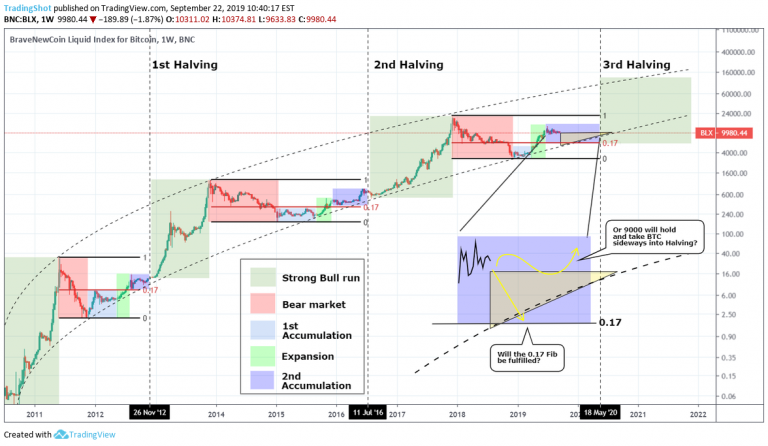
Bitcoin’s journey since its inception in 2009 has been nothing short of remarkable. From its humble beginnings as a decentralized digital currency to its emergence as a financial phenomenon, Bitcoin has witnessed significant price fluctuations and milestones. Understanding these historical trends is essential for contextualizing current Bitcoin price expectations, as they are often influenced by various economic, technological, and regulatory factors.The historical price trajectory of Bitcoin reveals several major milestones that have shaped its valuation over the years.

These events are crucial in understanding how Bitcoin has responded to market forces and investor sentiment.

Major Price Milestones in Bitcoin’s History

Bitcoin’s price history is marked by several key milestones that reflect its growth and volatility. The following events showcase the significant price movements and the external factors that influenced them:

  • 2010: Initial Valuation
    -Bitcoin was initially valued at less than $0.01, making it accessible to early adopters and tech enthusiasts. The first recorded transaction involved 10,000 BTC for two pizzas, highlighting its nascent stage.
  • 2013: Price Surge to $1,000
    -The price of Bitcoin soared to $1,000 for the first time, driven by increased media attention and growing interest from investors. This surge marked Bitcoin’s entry into mainstream awareness.
  • 2017: All-Time High of $20,000
    -Bitcoin reached an unprecedented high of nearly $20,000 in December 2017, fueled by a massive influx of retail investors and speculative trading. This rapid ascent was accompanied by increased adoption and the launch of Bitcoin futures.
  • 2020: Institutional Investment
    -The COVID-19 pandemic prompted a new wave of institutional investment in Bitcoin, with companies like MicroStrategy and Tesla adding Bitcoin to their balance sheets. Prices surged past $40,000, signaling a shift in perception from speculative asset to legitimate store of value.
  • 2021: New All-Time Highs
    -Bitcoin achieved new all-time highs, surpassing $60,000 in April 2021, driven by institutional interest and the growing acceptance of cryptocurrencies in mainstream finance.

Factors Influencing Significant Price Changes

Bitcoin’s price changes are influenced by a variety of factors that can lead to rapid fluctuations in valuation. Understanding these factors is essential for anticipating potential price movements:

  • Market Sentiment
    -Investor sentiment plays a pivotal role in Bitcoin’s price. Positive news, such as endorsements from high-profile investors or corporations, can trigger buying sprees, while negative news can lead to panic selling.
  • Regulatory Developments
    -Changes in regulatory frameworks across different countries can significantly impact Bitcoin’s price. Announcements of stricter regulations often lead to declines, whereas regulatory acceptance can boost prices.
  • Technological Advancements
    -Updates to Bitcoin’s underlying technology, such as improvements in scalability or security, can enhance user confidence and lead to price increases.
  • Market Adoption
    -Increased adoption of Bitcoin by businesses and payment processors can drive demand, resulting in price appreciation. The integration of Bitcoin into payment systems has proven beneficial for its valuation.

Correlation Between Past Performance and Current Price Expectations

The correlation between Bitcoin’s past performance and current price expectations is evident in historical price trends.

“Bitcoin’s historical price movements provide insight into potential future trends, as patterns often repeat under similar market conditions.”

As Bitcoin has matured, its price reactions to macroeconomic factors, technological developments, and investor behavior have become more pronounced. Analyzing past market cycles offers valuable lessons for predicting future price movements. For instance, historical corrections following price surges tend to resemble the 2017 bubble, where significant drops followed a period of rapid growth. Thus, while past performance does not guarantee future results, it serves as a crucial indicator of potential market behavior in similar contexts.

Technical Analysis for Price Predictions

Technical analysis plays a crucial role in predicting Bitcoin price movements by studying past market data, primarily price and volume. Traders utilize various tools and indicators to forecast future price trends, helping them make informed decisions when entering or exiting positions in the market. Understanding these technical indicators can provide insights into potential price shifts and market sentiment.Analyzing price charts involves several methods that highlight patterns and trends that can indicate future price behavior.

By identifying support and resistance levels, along with utilizing technical indicators, traders can gauge the strength of price movements and navigate market volatility effectively.

Key Technical Indicators for Bitcoin Forecasting

Various technical indicators are essential for analyzing Bitcoin prices and predicting upcoming trends. Each tool serves a distinct purpose in the broader context of market analysis. Here’s a brief overview of some key technical indicators and their functions:

Indicator Function
Moving Averages (MA) Used to identify the direction of the trend; simple moving averages (SMA) and exponential moving averages (EMA) help smooth price data to create a trend-following indicator.
Relative Strength Index (RSI) Measures the speed and change of price movements; RSI values range from 0 to 100 and help identify overbought or oversold conditions.
Bollinger Bands Consists of a middle band (SMA) and two outer bands; they help identify volatility and price levels compared to the moving average.
MACD (Moving Average Convergence Divergence) Indicates momentum; it shows the relationship between two moving averages of a security’s price, signaling potential buy or sell opportunities.
Fibonacci Retracement Helps identify potential support and resistance levels based on the key Fibonacci numbers, providing insights into possible reversal points.

Using these indicators in conjunction helps traders create a comprehensive view of market conditions. For example, if the RSI indicates that Bitcoin is overbought while the price is approaching a Fibonacci retracement level, it might signal a potential price correction. Furthermore, combining these tools allows traders to enhance their decision-making processes, reducing the likelihood of emotional trading.

“Technical analysis is not about predicting the future but about assessing probabilities based on historic price movements.”

Incorporating these technical indicators and methods creates a robust framework for Bitcoin price forecasting, empowering traders to navigate the crypto landscape with greater confidence and clarity.

Market Sentiment and Its Impact

Market sentiment plays a pivotal role in influencing Bitcoin price movements. It reflects the overall attitude of investors and traders towards Bitcoin, shaped by various factors including news events, market trends, and social media discussions. Understanding market sentiment can provide valuable insights into potential price fluctuations and investors’ actions.Market sentiment can be gauged through various channels, including social media platforms, news articles, and cryptocurrency forums.

When sentiment is positive, it often leads to increased buying pressure, driving prices higher. Conversely, negative sentiment can result in panic selling and a subsequent drop in prices. Numerous studies have shown a strong correlation between public sentiment and Bitcoin price movements, indicating that emotional reactions can significantly sway investor behavior.

Public Sentiment Data and Fluctuations

The analysis of public sentiment toward Bitcoin has revealed notable fluctuations over time, often in response to major market events or announcements. For example, during market rallies, sentiment tends to become overwhelmingly positive, with increased mentions on platforms like Twitter and Reddit. Conversely, major regulatory news or security breaches can lead to a surge in negative sentiment.To effectively gauge market sentiment, specific methodologies can be employed.

These include:

  • Sentiment Analysis Tools: Tools such as sentiment analysis algorithms can analyze social media posts and news articles to quantify positive or negative sentiment towards Bitcoin. For instance, a spike in positive analysis may correlate with a price increase.
  • Social Media Monitoring: Platforms like Twitter, where hashtags such as #Bitcoin and #BTC trend during significant market events, are critical for real-time sentiment tracking. High engagement levels often serve as indicators of rising interest or market euphoria.
  • News Sentiment Tracking: Keeping track of news headlines and their sentiment can provide insights into public perception. Tools that aggregate news sentiment can offer a broader view of how external factors influence Bitcoin’s trading environment.
  • Google Trends: Analyzing search interest in Bitcoin on Google Trends can indicate the level of public curiosity or concern, often preceding price movements.

These methods allow investors to make informed decisions based on current market sentiment. A strong understanding of how sentiment influences price can empower traders to anticipate market movements more accurately.

“The market sentiment is a reflection of collective investor psychology, often driving prices more than fundamental factors.”

Economic Factors Influencing Price

Bitcoin’s pricing is not solely driven by market dynamics; it is significantly influenced by broader economic factors. Understanding these factors can provide insights into potential price movements and help investors make informed decisions. As a decentralized digital asset, Bitcoin’s value is susceptible to various external economic environments, which may affect investor sentiment and demand.Macroeconomic factors such as inflation rates, interest rates, and regulatory developments play crucial roles in shaping Bitcoin’s price trajectory.

Inflation, for instance, erodes the purchasing power of fiat currencies, prompting investors to seek alternatives like Bitcoin as a hedge. Similarly, changes in interest rates can alter investor behavior towards risk assets, including cryptocurrencies. Regulatory news, on the other hand, can either bolster market confidence or instigate panic-selling among investors, depending on the nature of the news.

Key Economic Indicators Relevant to Crypto Pricing

Understanding the economic indicators that impact cryptocurrency prices is essential for any serious investor. These indicators provide context for price movements and reflect the overall financial landscape. The following points highlight the most relevant economic factors that investors should keep an eye on:

  • Inflation Rates: High inflation may lead investors to consider Bitcoin as a store of value, increasing demand and subsequently driving up the price.
  • Interest Rates: Lower interest rates make borrowing cheaper, often resulting in increased investment in riskier assets, including cryptocurrencies.
  • Unemployment Rates: High unemployment can signify economic distress, prompting a shift toward alternative assets like Bitcoin.
  • GDP Growth: Strong economic growth can increase consumer confidence, positively impacting Bitcoin prices through greater investment in digital assets.
  • Consumer Confidence Index: Higher consumer confidence can lead to increased investment in riskier assets, boosting Bitcoin’s appeal.
  • Regulatory Developments: Positive regulatory news can enhance market sentiment, while negative news can lead to price drops due to fear and uncertainty.

“Economic conditions serve as a backdrop against which Bitcoin’s value is evaluated, influencing trader behavior and market dynamics.”

Predictions from Experts

As the cryptocurrency landscape evolves, expert predictions regarding Bitcoin’s future have gained significant attention. Analysts from various sectors, including finance, technology, and academia, have weighed in with their forecasts based on diverse methodologies and market insights. These predictions not only highlight the potential price trajectories of Bitcoin but also reflect broader market sentiment and economic conditions.Expert predictions are often constructed using a combination of historical data analysis, technical indicators, and market sentiment assessments.

Analysts examine price patterns, trading volumes, and macroeconomic factors that influence investor behavior. Some experts utilize sophisticated modeling techniques, including machine learning algorithms, to generate forecasts that account for the rapidly changing dynamics of the cryptocurrency market.

Expert Opinions and Projected Price Ranges

Analysts have put forth a variety of price predictions for Bitcoin, reflecting differing opinions on its future value. Here are some notable forecasts along with the methodologies used:

Expert/Analyst Projected Price Range Methodology
PlanB $100,000 – $288,000 Stock-to-Flow model, analyzing scarcity
Mike Novogratz $60,000 – $100,000 Market sentiment and historical trends
Willy Woo $200,000 On-chain analysis and network activity
Anthony Pompliano $500,000 Macroeconomic factors and monetary policy

Each analyst employs a unique approach to reach their conclusions. For instance, PlanB’s Stock-to-Flow model focuses on Bitcoin’s scarcity and its correlation to price, while Willy Woo emphasizes on-chain data, such as transaction volumes and wallet growth, to predict future price movements. These diverse methodologies highlight the complexity of Bitcoin valuation and the various factors that can influence its price trajectory.

“Bitcoin’s price is influenced by a myriad of factors, including adoption rates, regulatory developments, and overall market sentiment.”

Technological Developments and Their Effects

Advancements in blockchain technology play a crucial role in shaping the future of Bitcoin pricing. As a decentralized digital currency, Bitcoin relies heavily on the underlying technology of blockchain, which is constantly evolving. These technological improvements not only enhance the functionality and security of Bitcoin but also influence investor confidence, market dynamics, and pricing expectations.The continuous development of blockchain technology can lead to a variety of outcomes for Bitcoin pricing.

Improved security, faster transaction speeds, and reduced fees are just a few examples of how technological advancements can enhance user experience and attract more investors to the market. Additionally, developments in smart contracts and decentralized finance (DeFi) can create more use cases for Bitcoin, further driving demand.

Impact of Scalability Solutions on Market Expectations

Scalability solutions are essential for addressing the limitations of Bitcoin’s transaction processing capabilities. As Bitcoin’s popularity has grown, so has the demand for faster and cheaper transactions. Innovations such as the Lightning Network and Segregated Witness (SegWit) aim to improve Bitcoin’s scalability, allowing for a higher volume of transactions without congesting the network. These scalability solutions are significant because they can directly impact market expectations.

Investors are more likely to be optimistic about Bitcoin’s price trajectory when they see successful implementations of technologies that enhance transaction efficiency. For instance, the Lightning Network has the potential to facilitate millions of transactions per second, significantly lowering fees and increasing Bitcoin’s utility in day-to-day transactions. The market’s reaction to these scalability advancements can be observed through price fluctuations.

When news of successful upgrades or implementations surfaces, it often results in price rallies. Conversely, if scalability issues persist or solutions prove ineffective, market confidence may wane, leading to declining prices.

Potential Technological Risks Affecting Bitcoin’s Price Trajectory

While the advancements in blockchain technology bring numerous benefits, they also introduce potential risks that could affect Bitcoin’s price trajectory. These risks can stem from various sources, including technological vulnerabilities, regulatory changes, and the emergence of competing cryptocurrencies.One significant risk is the possibility of a security breach or a major hack. Despite Bitcoin’s robust security features, vulnerabilities can still be exploited, leading to massive loss of funds and damaging investor confidence.

For example, incidents such as the hacking of exchanges have historically resulted in sharp declines in Bitcoin’s price. Regulatory scrutiny is another technological risk that could impact Bitcoin’s valuation. Governments across the globe are increasingly looking to regulate cryptocurrencies, and any unfavorable legislation could lead to market panic and a decrease in prices. Additionally, the rapid development of competing cryptocurrencies with superior technology may pose a threat to Bitcoin’s market dominance.

If a new cryptocurrency emerges with advanced features that solve issues Bitcoin faces, investors may shift their focus, causing Bitcoin’s price to drop.In summary, while advancements in blockchain technology can bolster Bitcoin’s pricing through improved functionality and investor confidence, they also carry risks that could negatively impact its valuation.

Comparison with Other Cryptocurrencies

The cryptocurrency market is home to a multitude of digital assets, each with its own unique dynamics and behaviors. Among these, Bitcoin has long been the primary player, leading in market capitalization and establishing a benchmark for price expectations. Understanding how Bitcoin’s price movements compare to other major cryptocurrencies can provide valuable insights into market trends and investor sentiment.Bitcoin dominance refers to the ratio of Bitcoin’s market capitalization to the total market capitalization of all cryptocurrencies.

This metric is significant as it reflects Bitcoin’s influence over the cryptocurrency market. A high dominance percentage often indicates that Bitcoin is performing well compared to other cryptocurrencies, which can impact investor confidence and price forecasts for Bitcoin.

Price Trends of Bitcoin Versus Selected Altcoins

To provide a clearer picture of Bitcoin’s price behavior in relation to other cryptocurrencies, the following table Artikels recent price trends for Bitcoin and selected altcoins. This comparison highlights the relative performance and market trends of each asset.

Cryptocurrency Current Price (USD) Price Change (24h) Market Cap (USD) Dominance (%)
Bitcoin (BTC) $27,000 +2.5% $525 billion 45%
Ethereum (ETH) $1,800 +1.8% $220 billion 18%
Tether (USDT) $1.00 0% $70 billion 6%
Cardano (ADA) $0.35 +1.2% $12 billion 1.5%
Ripple (XRP) $0.50 +3.0% $25 billion 3%

In analyzing the price changes, Bitcoin’s recent increase of 2.5% over 24 hours is quite significant compared to Ethereum’s more modest rise of 1.8%. Furthermore, Bitcoin’s dominance at 45% illustrates its prominent position in the market. As altcoins often follow Bitcoin’s lead, fluctuations in Bitcoin’s price can substantially affect the overall market sentiment and pricing behavior of other cryptocurrencies.

“Bitcoin’s dominance serves as a crucial indicator of its market health and can greatly influence trading patterns across other cryptocurrencies.”

Future Market Trends and Predictions

As the cryptocurrency landscape continues to evolve, several emerging trends are likely to play a significant role in shaping the future pricing of Bitcoin. Understanding these trends, along with the impact of institutional adoption and regulatory frameworks, can provide valuable insights for investors and enthusiasts alike.

Emerging Trends Shaping Bitcoin Pricing

Several trends are beginning to emerge that may influence Bitcoin’s future pricing dynamics. These include the increasing integration of Bitcoin into traditional financial systems, the rise of decentralized finance (DeFi), and the growing interest in cryptocurrencies among younger generations.

  • Integration with Traditional Finance: Financial institutions are gradually incorporating Bitcoin into their services. This integration not only legitimizes Bitcoin but also enhances its accessibility, potentially driving up demand.
  • Decentralized Finance (DeFi): The DeFi movement is expanding rapidly, with Bitcoin being used as collateral in various lending and borrowing protocols. This trend could increase Bitcoin’s utility and market value.
  • Generational Shift: Younger investors are increasingly viewing Bitcoin as a viable asset class. This demographic shift could lead to greater adoption and higher prices as they enter the market.

Impact of Institutional Adoption

Institutional adoption of Bitcoin has been a game-changer in the cryptocurrency market. Major companies and investment firms are recognizing Bitcoin as a legitimate asset, which can have profound implications for its price.

  • Increased Demand: Institutions such as MicroStrategy and Tesla have made significant investments in Bitcoin, signaling confidence in its long-term value and leading to increased demand from retail investors.
  • Price Stability: Institutional investments can provide a stabilizing effect on Bitcoin’s price, as large players typically engage in less speculative trading compared to retail investors.
  • Market Legitimization: The participation of well-known institutions can help mainstream Bitcoin, attracting more investors and further driving up its value.

Implications of Upcoming Regulations

As governments around the world begin to formulate regulations concerning cryptocurrencies, the impact of these regulatory frameworks on Bitcoin’s price cannot be underestimated.

  • Clarity and Security: Clear regulations can provide a sense of security to investors, potentially leading to increased investment in Bitcoin. A well-regulated market may also deter fraudulent activities, fostering a healthier environment for growth.
  • Compliance Costs: On the flip side, stringent regulations may impose compliance costs on businesses dealing with Bitcoin, which could affect its price in the short term.
  • Global Competition: Different regulatory environments across countries can influence where Bitcoin transactions take place, impacting its liquidity and pricing based on geographical preferences.

Conclusion

In summary, the expectations surrounding Bitcoin’s price are shaped by a myriad of factors, including expert predictions, market trends, and ongoing technological developments. As we look ahead, staying informed about these dynamics will be essential for anyone interested in understanding the future of Bitcoin and its potential impact on the broader financial landscape.

FAQ

What drives Bitcoin’s price fluctuations?

Bitcoin’s price is influenced by market sentiment, economic factors, technological advancements, and regulatory news.

How can I predict Bitcoin’s future price?

Using technical analysis, market sentiment, and expert predictions can help gauge Bitcoin’s future price trends.

Is Bitcoin’s price expected to rise in the future?

While predictions vary, many analysts believe that institutional adoption and technological advancements could drive prices higher.

What impact does inflation have on Bitcoin pricing?

Inflation can drive interest in Bitcoin as a hedge against currency devaluation, potentially increasing demand and price.

How does Bitcoin’s performance compare to altcoins?

Bitcoin often shows different price behavior compared to altcoins, with its dominance influencing overall market trends.

Bitcoin Zelle is reshaping the landscape of digital transactions, bridging the gap between cryptocurrency and traditional payment platforms. By integrating these two powerful systems, users can navigate a seamless experience that combines the decentralization of Bitcoin with the convenience of Zelle.

This exploration delves into how Bitcoin and Zelle function individually, their interplay, the security measures in place, and the potential benefits users gain from utilizing both. With the growing trend towards digital finance, understanding this merging of technologies is essential for anyone looking to enhance their financial toolkit.

Overview of Bitcoin and Zelle

Bitcoin and Zelle represent two contrasting approaches to digital transactions, each serving distinct purposes and audiences. Bitcoin, a decentralized cryptocurrency, operates on blockchain technology, aiming to provide a peer-to-peer payment system free from government or financial institution control. In contrast, Zelle is a digital payment service integrated with traditional banks, facilitating instant money transfers among users within the same banking network.Bitcoin enables users to conduct transactions globally without intermediaries, promoting financial autonomy.

Its primary function is to serve as a digital currency, allowing for both everyday purchases and long-term investments. Zelle, on the other hand, simplifies the process of sending and receiving money through email or phone number, making it an efficient tool for personal transactions such as splitting bills or sending gifts.

Comparison of Traditional Banking Systems with Bitcoin and Zelle

Traditional banking systems have long been the backbone of financial transactions; however, Bitcoin and Zelle offer unique advantages and functionalities that challenge this status quo. To understand the differences, it is beneficial to examine various aspects such as transaction speed, fees, accessibility, and security.

Transaction Speed

Traditional banks can take several days to process payments, especially for international transfers. In contrast, Bitcoin transactions can take from a few minutes to an hour, depending on network congestion. Zelle transactions are typically instantaneous when both parties are registered users, enhancing the user experience significantly.

Fees

Traditional banks often charge fees for wire transfers, international payments, and account maintenance. Bitcoin transactions incur network fees that fluctuate based on demand but can be lower than traditional fees for larger amounts. Zelle generally does not charge users for sending or receiving money, making it a cost-effective alternative.

Accessibility

Accessing traditional banking services can be cumbersome, requiring identification and sometimes credit history. Bitcoin only requires an internet connection and a digital wallet, making it accessible to anyone globally. Zelle requires an account with a participating bank, but it is readily available to those who have established bank accounts.

Security

Traditional banks provide a level of security backed by insurance on deposits and regulatory oversight. Bitcoin transactions are secured through cryptography, making them resistant to fraud. However, users must take precautions since cryptocurrency exchanges can be vulnerable. Zelle transactions, while secure through bank protocols, can be susceptible to scams if users are not cautious.

The evolution of digital payments challenges the traditional banking paradigm, highlighting the importance of speed, accessibility, and cost-effectiveness in financial transactions.

How Bitcoin and Zelle Work Together

Integrating Zelle with Bitcoin transactions opens up new avenues for users to engage in cryptocurrency trading with greater convenience and speed. The collaboration between these two platforms allows for seamless transactions, enabling users to purchase Bitcoin quickly and efficiently using their bank accounts. This section will delve into the process involved in utilizing Zelle for Bitcoin transactions, the steps for transferring Bitcoin to a Zelle account, and the advantages that come with this integration.

Using Zelle to Purchase Bitcoin

To purchase Bitcoin using Zelle, users can follow a straightforward process that typically involves a few key steps. Here’s a breakdown of the essential steps:

1. Select a Cryptocurrency Exchange

Choose a reputable cryptocurrency exchange that accepts Zelle as a payment method. Popular exchanges may include platforms like Coinbase or Binance, which may offer Zelle as a funding option.

2. Create an Account

Register on the chosen exchange by providing necessary information and completing the verification process. Following this, link your Zelle-enabled bank account.

3. Initiate a Purchase

Navigate to the Bitcoin section of the exchange, enter the amount of Bitcoin you wish to purchase, and select Zelle as your payment method.

4. Transfer Funds via Zelle

Upon confirmation, you’ll receive instructions to send the payment via Zelle to the provided account. Enter the amount and recipient details in your banking app, and complete the transfer.

5. Confirm Your Purchase

Once the transaction is completed, the exchange will process your payment, and the equivalent amount of Bitcoin will be credited to your account.

Transferring Bitcoin to a Zelle Account

Transferring Bitcoin directly to a Zelle account isn’t possible as Zelle operates strictly with fiat currency. However, users can convert their Bitcoin to cash and then transfer that cash to a Zelle account. The steps to achieve this include:

1. Sell Bitcoin on an Exchange

Use a cryptocurrency exchange to sell your Bitcoin. This will convert your Bitcoin into fiat currency, typically USD.

2. Withdraw Funds to Bank

Initiate a withdrawal of the fiat currency to your linked bank account, which is also Zelle-enabled.

3. Use Zelle for Transfer

Once the funds are available in your bank account, you can use Zelle to transfer the cash to another Zelle account as needed.

Benefits of Integrating Zelle with Bitcoin Transactions

The integration of Zelle with Bitcoin transactions provides several advantages that enhance the user experience. Here are some key benefits:

Speedy Transactions

Zelle allows for almost instantaneous transfers between bank accounts, meaning users can buy Bitcoin quickly without the waiting periods often associated with traditional bank transfers.

Ease of Use

The familiar interface of Zelle makes it easy for users to send and receive funds without needing to navigate complex cryptocurrency wallets.

Lower Fees

Often, using Zelle can result in lower transaction fees compared to traditional methods of purchasing Bitcoin, which can include credit card fees or wire transfer fees.

Enhanced Security

Zelle transactions are secured through bank-level encryption, providing an additional layer of safety when moving funds.

Convenient Fund Management

Users can quickly convert Bitcoin back to cash and transfer it to their Zelle accounts, facilitating easier management of their finances.By leveraging Zelle for Bitcoin transactions, users can merge the benefits of both systems, enhancing their trading experience and simplifying the management of their cryptocurrency and fiat assets.

Security Measures

In the world of digital transactions, security is paramount. Both Bitcoin and Zelle offer distinct security protocols tailored to protect users from potential threats. Understanding these measures can empower users to make informed decisions while engaging with either platform.Bitcoin transactions are secured through a decentralized network utilizing blockchain technology. This system ensures that each transaction is verified by multiple nodes before being added to the blockchain, creating an immutable record.

The key security protocols involved in Bitcoin include:

Bitcoin Security Protocols

The security of Bitcoin relies heavily on cryptographic techniques and consensus mechanisms to safeguard user data and transaction integrity. Key elements include:

  • Public and Private Keys: Each Bitcoin wallet is accessed through a pair of cryptographic keys. The public key serves as an address to receive funds, while the private key is confidential and required to authorize transactions.
  • Blockchain Technology: The decentralized nature of the blockchain makes it resistant to tampering and fraud. Each block in the chain contains a hash of the previous block, linking them securely.
  • Transaction Confirmation: Transactions are only finalized after being confirmed by a majority of the network’s nodes, reducing the risk of double-spending.
  • Multi-signature Wallets: These require multiple parties to approve a transaction, adding an extra layer of security for individuals or organizations handling large sums.

Zelle, on the other hand, operates within the framework of traditional banking. Its primary focus is on ensuring that users can transfer money quickly and securely. Zelle’s security features include:

Zelle Security Features

Zelle employs several security measures that leverage the banking infrastructure to protect users from fraud and unauthorized transactions. Important aspects of Zelle’s security include:

  • Two-Factor Authentication (2FA): Users must verify their identity through an additional method, such as a text message or phone call, before executing transactions.
  • Bank-Level Encryption: Zelle uses advanced encryption techniques to protect sensitive information during transactions, ensuring that data is transmitted securely.
  • Fraud Monitoring: Banks that partner with Zelle continuously monitor transactions for suspicious activity, providing an extra layer of protection against fraud.
  • Direct Bank Transfers: Since Zelle only allows transfers between users with bank accounts, it minimizes the risk associated with peer-to-peer payments compared to other platforms.

When comparing the security risks associated with using Bitcoin versus Zelle, several factors come into play. While Bitcoin offers high levels of security through decentralization and cryptographic measures, it also exposes users to risks such as hacking and the loss of private keys. A notable example occurred in 2014 when the Mt. Gox exchange was hacked, leading to the loss of 850,000 Bitcoins, highlighting the vulnerabilities that can arise in the cryptocurrency space.In contrast, Zelle’s reliance on banking institutions provides a sense of security through established protocols, yet it is not immune to risks like phishing and unauthorized access.

Users must remain vigilant, as demonstrated by a case in which Zelle users were targeted by scammers impersonating bank representatives.

Both Bitcoin and Zelle present unique security advantages and challenges, necessitating informed usage and awareness of potential threats.

Fees and Costs

Understanding the fees and costs associated with Bitcoin and Zelle is crucial for users who want to engage in transactions using these platforms. Each service has its own fee structure that can impact the overall cost of sending or receiving money. This section breaks down the potential fees for Bitcoin and compares them to the transaction costs associated with Zelle.

Bitcoin Fees Breakdown

Bitcoin transactions typically involve several types of fees, primarily related to network confirmation speed and transaction size. The costs can vary significantly based on network congestion and the urgency of the transaction.

  • Transaction Fees: These fees are paid to miners for processing transactions. They can range from a few cents to over $50, depending on the network demand at the time of the transaction.
  • Exchange Fees: If you purchase Bitcoin through a cryptocurrency exchange, you may incur additional fees, usually a percentage of the transaction, which can vary from 0.1% to 4% based on the exchange.
  • Withdrawal Fees: Some platforms charge a fee to withdraw Bitcoin to an external wallet. This fee can range from $1 to $10 or more.

Zelle Transaction Costs

Zelle is known for its low-cost or no-cost transactions, making it an attractive option for users looking to send money quickly without incurring hefty fees. Here’s how Zelle’s costs compare:

  • Transaction Fees: Most banks offer Zelle services with no transaction fees, although some may impose fees for instant transfers.
  • Bank Fees: While Zelle itself is free, users should check with their bank for any hidden fees associated with using the service.
  • Speed of Transfer: Zelle transactions are typically instant, whereas Bitcoin transactions may take longer depending on network congestion and fees paid.

Fee Comparison Table

The following table summarizes the fees associated with Bitcoin and Zelle, providing a clear side-by-side comparison.

Service Type of Fee Cost Range
Bitcoin Transaction Fees $0.01 – $50+
Bitcoin Exchange Fees 0.1% – 4%
Bitcoin Withdrawal Fees $1 – $10+
Zelle Transaction Fees Typically Free
Zelle Bank Fees Varies by Bank

It’s important to weigh these fees against the value of the transaction to determine the most cost-effective method for sending money.

User Experience

The user experience with Bitcoin and Zelle showcases how both platforms cater to different needs while maintaining ease of use. Testimonials from users provide insights into their journeys, highlighting both the benefits and the challenges they’ve faced. As digital currencies and payment services evolve, understanding user experiences can significantly inform potential adopters and those already using these platforms.The accessibility of Bitcoin and Zelle is a crucial aspect for new users, as both platforms offer intuitive interfaces and straightforward processes.

Bitcoin operates on blockchain technology, requiring users to manage wallets and transactions, while Zelle functions through bank apps, making it simpler for those familiar with traditional banking. Yet, both systems do come with their own learning curves and potential hurdles.

User Testimonials and Experiences

User testimonials reveal a diverse range of experiences with Bitcoin and Zelle, showcasing the varying degrees of satisfaction and challenges encountered. For instance, a user named Ethan shared:

“Using Zelle has been a game-changer for me. I can easily send money to friends without any hassle, and the transactions are instant.”

Conversely, a Bitcoin user named Sarah noted:

“I love the investment potential of Bitcoin, but navigating wallets and exchanges can be overwhelming for newcomers.”

These statements illustrate the contrast between the immediacy of Zelle’s service and the complexity of managing Bitcoin.

Ease of Use and Accessibility

Both Bitcoin and Zelle strive to provide a user-friendly experience, yet their accessibility varies based on the user’s familiarity with technology. Zelle’s integration with existing bank apps allows users to send money using just an email or phone number, making it particularly appealing for those accustomed to traditional banking methods. The registration process is straightforward, often requiring only a few steps to start sending and receiving money.In contrast, Bitcoin requires a deeper understanding of digital wallets, private keys, and transaction confirmations.

New users must familiarize themselves with the concept of blockchain technology and secure their wallets against potential threats. While several platforms now offer simplified wallet services, the initial setup can still be intimidating.

Common Challenges Faced

Despite their advantages, users often encounter challenges when using Bitcoin and Zelle. For Zelle, some common issues include:

  • Transaction Limits: Users may face daily or monthly limits on the amount they can send or receive, which can be inconvenient for larger transactions.
  • Availability: Not all banks support Zelle, which can limit its accessibility for users whose banks are not integrated with the service.

For Bitcoin, the challenges tend to be more technical:

  • Volatility: The price of Bitcoin can fluctuate significantly, leading to uncertainty for users who might want to hold onto their investments or make purchases.
  • Security Concerns: The risk of hacking and scams remains a critical issue, as users must take extra precautions to protect their assets.

These challenges highlight the need for users to stay informed and cautious while navigating both platforms.

Legal and Regulatory Aspects

The legal landscape surrounding Bitcoin and Zelle is intricate and varies significantly across different regions. Understanding these legal and regulatory frameworks is essential for users who wish to engage in Bitcoin trading via Zelle. Compliance with local laws can have a profound impact on the ease and safety of transactions.

Legal Status of Bitcoin in Various Regions

Bitcoin’s legal status is not uniform and can differ markedly from one country to another. Some countries have embraced cryptocurrencies, while others have imposed strict regulations or outright bans.

  • United States: Bitcoin is classified as property, and transactions may be subject to capital gains tax. Various states have implemented their own regulations, leading to a patchwork of laws that can affect users differently.
  • European Union: Bitcoin is generally accepted, but regulation is evolving. The EU has proposed frameworks to enhance anti-money laundering (AML) measures, impacting cryptocurrency exchanges and wallets.
  • China: Bitcoin trading is heavily restricted, with the government banning exchanges and initial coin offerings (ICOs), though individual ownership is still allowed.
  • India: The legal status of Bitcoin fluctuates, with recent discussions about regulation rather than an outright ban. The government is exploring a digital currency project, which could influence private cryptocurrencies.
  • Japan: Bitcoin is recognized as legal tender, and exchanges must register and comply with strict regulations to operate.

Regulations Governing Zelle Transactions

Zelle operates under a framework that prioritizes quick and secure transactions primarily within the United States. However, its integration with banks means that compliance with federal and state regulations is paramount.

  • Consumer Protection: Zelle transactions are subject to the Electronic Funds Transfer Act (EFTA), which mandates disclosure of fees and protects consumers against unauthorized transactions.
  • Anti-Money Laundering Compliance: Banks using Zelle must adhere to AML regulations, necessitating the monitoring of transactions for suspicious activity. This compliance protects both the financial institutions and their users.
  • Fraud Prevention: Zelle has implemented measures to reduce fraud, including user verification processes and the ability to report suspicious transactions. However, users should still exercise caution when transferring funds.

Implications of Using Zelle for Bitcoin Trading

The intersection of Zelle and Bitcoin raises important compliance considerations for users engaging in cryptocurrency trading. While Zelle facilitates quick transactions, the lack of a formal structure for cryptocurrency exchanges poses challenges.

  • Risk of Fraud: Users may fall victim to scams, as Zelle does not offer buyer protection for cryptocurrency transactions. It is crucial to deal with trusted parties when trading Bitcoin.
  • Tax Reporting: Users must comply with IRS regulations regarding cryptocurrency gains, which include reporting any profits from Bitcoin trades conducted via Zelle.
  • Bank Policies: Some banks may restrict or monitor Zelle transactions involving cryptocurrency, potentially leading to account freezes or closures if deemed outside acceptable use.

Future Trends

As Bitcoin and Zelle continue to evolve, the intersection of these two platforms is shaping the future of digital finance. With the rise of cryptocurrencies and peer-to-peer payment solutions, it’s crucial to identify emerging trends and innovations that will enhance their integration. User behavior is also shifting, reflecting a growing acceptance and reliance on these technologies for everyday transactions.

Emerging Trends in Bitcoin and Zelle

The convergence of Bitcoin and Zelle is largely driven by several trends that influence user adoption and market dynamics. The following points illustrate key emerging trends:

  • Increased Adoption of Cryptocurrencies: More users are becoming comfortable with Bitcoin as a legitimate form of payment, leading to growing demand for platforms that facilitate seamless transactions.
  • Integration of Traditional Financial Services: Financial institutions are exploring ways to incorporate cryptocurrencies into their offerings, enhancing the usability of Bitcoin alongside services like Zelle.
  • Technological Advancements: Innovations such as the Lightning Network for Bitcoin are improving transaction speed and reducing costs, making Bitcoin more attractive for everyday transactions.
  • Regulatory Developments: As regulations around cryptocurrencies evolve, compliance measures will become increasingly important, influencing how platforms like Zelle interact with Bitcoin.

Innovations Enhancing Integration

Several potential innovations could simplify and enhance the integration of Bitcoin with Zelle, creating a more fluid user experience. The following innovations are noteworthy:

  • Instant Conversion Features: Platforms that enable users to instantly convert Bitcoin to fiat currency for Zelle transactions will likely see increased adoption, making transactions more feasible.
  • Enhanced User Interfaces: Improved user interfaces that simplify the process of sending Bitcoin via Zelle can help bridge the gap for less tech-savvy users.
  • Mobile Payment Solutions: The development of mobile payment apps that incorporate both Bitcoin and Zelle functions will cater to the growing demand for convenience in transactions.
  • Smart Contract Integration: Utilizing smart contracts could streamline transactions, providing users with added security and automation in their dealings.

Evolving User Behavior

User behavior concerning Bitcoin and Zelle is shifting as more people become aware of the benefits of both platforms. The growth in digital payment methods leads to changes in how individuals approach transactions:

  • Acceptance of Cryptocurrencies: Users are increasingly viewing Bitcoin as not just an investment but a viable payment option for daily purchases.
  • Preference for Speed and Convenience: The demand for faster transactions is pushing users to favor platforms that offer instant transfers, like Zelle, especially when integrated with Bitcoin.
  • Risk Awareness: As users become more educated about digital currencies, there is a growing focus on security measures and the importance of choosing reputable platforms.
  • Social Influence: The rise of social media and influencers discussing Bitcoin and Zelle is impacting user perceptions and encouraging broader adoption among younger demographics.

Best Practices for Users

When engaging in transactions involving Bitcoin and Zelle, it’s crucial to adopt best practices that ensure security and efficiency. Understanding the landscape of digital currencies and payment systems can help mitigate risks and optimize user experience.Monitoring and managing cryptocurrency investments through platforms like Zelle requires a strategic approach. Here are essential best practices to follow.

Safe Usage of Bitcoin and Zelle

Implementing safety measures while using Bitcoin and Zelle can significantly reduce the risk of fraud and theft. Below are key practices to enhance security:

  • Enable Two-Factor Authentication (2FA): Always activate 2FA on your accounts to add an extra layer of security. This ensures that even if your password is compromised, unauthorized access is still prevented.
  • Use Strong Passwords: Create complex passwords that combine letters, numbers, and symbols. Avoid easily guessable information such as birthdays or pet names.
  • Verify Recipient Information: Before sending funds via Zelle or Bitcoin, double-check the recipient’s details to ensure you are sending money to the correct person.
  • Keep Software Updated: Regularly update wallets and applications to protect against vulnerabilities. Ensuring your system is equipped with the latest features enhances security.
  • Be Cautious of Phishing Scams: Remain vigilant against unsolicited emails or messages requesting your credentials. Always verify the source before clicking on links or providing personal information.

Risk Mitigation Strategies

To further minimize risks during transactions involving Bitcoin and Zelle, consider the following strategies:

  • Conduct Small Transactions First: When dealing with a new user or recipient, start with a smaller transaction to test the reliability of the process and the recipient’s credibility.
  • Educate Yourself on Cryptocurrency: Stay informed about cryptocurrency trends, market fluctuations, and potential risks. Knowledge empowers better decision-making.
  • Utilize Reputable Wallets and Exchanges: Choose well-regarded platforms for storing Bitcoin and conducting transactions. Research reviews and security measures provided by wallets and exchanges before committing.
  • Monitor Transactions Regularly: Keep track of your transaction history and account activities. This helps identify any unauthorized transactions promptly.

Managing Cryptocurrency Investments through Zelle

Effectively monitoring and managing your cryptocurrency investments when using Zelle involves strategic planning. Here are some guidelines to maintain oversight and control:

  • Maintain Accurate Records: Document every transaction, including the date, amount, and recipient. This provides a clear overview of your investment activities and can aid in tax reporting.
  • Set Investment Goals: Define clear investment objectives to guide your transactions. This includes knowing your risk tolerance and desired outcomes.
  • Regularly Evaluate Your Portfolio: Periodically assess your investments to determine if your strategy aligns with current market conditions. Adjust holdings as necessary to meet your financial goals.
  • Stay Updated on Regulatory Changes: Legal regulations regarding cryptocurrencies can change frequently. Keeping informed helps ensure compliance and avoids potential legal issues.

Outcome Summary

In conclusion, the future of Bitcoin Zelle holds great promise as digital currencies continue to evolve and adapt. By embracing both platforms, users can leverage their strengths, ensuring secure, efficient, and cost-effective transactions. As we move forward, staying informed about innovations in this space will be key to making the most of these dynamic financial tools.

FAQ Guide

Can I use Zelle to buy Bitcoin?

Yes, Zelle can be used to purchase Bitcoin through exchanges that accept Zelle as a payment method.

Is there a limit on Zelle transactions for Bitcoin?

Yes, Zelle has transaction limits that vary by bank, typically ranging from $500 to $2,500 per day.

Are Bitcoin transactions via Zelle secure?

While Zelle offers security features, Bitcoin transactions have unique risks due to their irreversible nature.

What are the fees associated with using Bitcoin and Zelle?

Bitcoin fees vary depending on network congestion, while Zelle usually charges no fees for transactions.

How do I transfer Bitcoin to a Zelle account?

You cannot directly transfer Bitcoin to a Zelle account; you need to convert Bitcoin to cash and then use Zelle to send that cash.

Bitcoin University represents a groundbreaking initiative aimed at enhancing knowledge and understanding in the world of cryptocurrency. As the digital currency landscape continues to evolve, the need for specialized educational programs becomes increasingly vital. This university not only sets a foundation for learning but also cultivates a community passionate about the future of finance and technology.

The curriculum is designed to cover essential topics such as blockchain technology, cryptocurrency trading, and decentralized finance, ensuring that students gain both theoretical knowledge and practical skills. With a diverse student body motivated by various interests in the crypto space, Bitcoin University creates an enriching environment that prepares graduates for promising careers in this dynamic sector.

Introduction to Bitcoin University

Bitcoin University represents a pioneering initiative that aims to educate individuals about Bitcoin and the broader cryptocurrency ecosystem. In a rapidly evolving digital landscape, the significance of understanding Bitcoin cannot be overstated, as it serves as a foundational element for blockchain technology and decentralized finance. This educational platform is pivotal in demystifying Bitcoin, allowing learners to grasp its potential and impact on the global economy.Educational institutions play a crucial role in promoting Bitcoin knowledge and literacy, facilitating a structured learning environment where both novices and enthusiasts can engage with complex concepts.

By integrating Bitcoin and cryptocurrency studies into their curricula, these institutions foster a generation of informed individuals capable of navigating the intricacies of digital currencies. This blend of academia and innovative technology enhances overall financial literacy and empowers students to critically evaluate emerging financial systems.

Core Objectives of Bitcoin University Programs

The programs and courses offered by Bitcoin University are designed with several core objectives in mind. These objectives ensure that participants gain a comprehensive understanding of Bitcoin and its implications. The key goals include:

  • Providing foundational knowledge about Bitcoin’s history, technology, and economic principles.
  • Equipping learners with practical skills for using Bitcoin, including wallet management, transactions, and trading strategies.
  • Fostering critical thinking about the ethical implications and regulatory challenges surrounding cryptocurrencies.
  • Encouraging research and innovation in the blockchain space, promoting the development of new applications and solutions.
  • Building a community of learners and practitioners who can share insights, collaborate, and support one another in their journeys through the cryptocurrency space.

These objectives are essential in developing a well-rounded understanding of Bitcoin, allowing students to engage thoughtfully with the evolving financial landscape. As the cryptocurrency sector grows, the importance of comprehensive education in this field becomes increasingly evident.

“Education is the most powerful weapon which you can use to change the world.”

Nelson Mandela

The courses offered at Bitcoin University not only cover theoretical aspects but also incorporate case studies and practical exercises, providing learners with real-world context and experience. This approach ensures that graduates are well-prepared to contribute to and thrive within the dynamic environment of cryptocurrency and blockchain technology.

Curriculum Overview

The Bitcoin University curriculum is thoughtfully designed to provide students with a comprehensive understanding of the cryptocurrency ecosystem. It covers critical aspects of blockchain technology, cryptocurrency trading, and decentralized finance (DeFi), ensuring that learners are well-prepared to navigate this rapidly evolving field. As the demand for knowledge in this area surges, the curriculum aims to equip students with both theoretical background and practical skills necessary for success.The curriculum features a variety of subjects that are integral to mastering the world of cryptocurrencies.

Students delve into the following key areas:

Key Subjects

In this segment, we will explore the fundamental subjects that form the backbone of the Bitcoin University curriculum. Each subject is tailored to foster both academic and practical understanding, preparing students for real-world applications.

  • Blockchain Technology: Students learn the architecture of blockchain, the mechanics behind consensus algorithms, and the governance models that maintain decentralized networks. The focus is on understanding how blockchain serves as the foundation for cryptocurrencies.
  • Cryptocurrency Trading: This subject covers market analysis, trading strategies, and risk management techniques. Students gain practical experience through simulated trading platforms, where they can apply their knowledge in a risk-free environment.
  • Decentralized Finance (DeFi): The course introduces concepts such as smart contracts, decentralized applications (dApps), and liquidity pools. Students examine the impact of DeFi on traditional finance and explore various protocols that are redefining financial services.

Typical Course Structure

A typical course at Bitcoin University is designed to facilitate in-depth learning through a mix of lectures, discussions, and hands-on projects. The structure is broken down into modules, each focusing on specific outcomes. For instance, a course titled “Introduction to Cryptocurrency Trading” might be structured as follows:

Module Topics Covered Learning Outcomes
1 Fundamentals of Trading Understand market mechanics and trading terminology.
2 Technical Analysis Analyze charts and identify patterns to predict price movements.
3 Risk Management Develop a trading plan prioritizing risk mitigation.
4 Practical Trading Execute trades and evaluate outcomes on a simulated platform.

Through this structured approach, students are not only exposed to theoretical knowledge but also develop practical skills necessary to engage in cryptocurrency trading confidently.

Importance of Practical Applications

Practical applications play a crucial role in the Bitcoin University curriculum, ensuring that students are ready to tackle real-world challenges. Integrating hands-on projects, collaborative work, and simulated environments, the curriculum fosters experiential learning. Students work on projects that range from building simple dApps to creating trading bots, allowing them to apply their knowledge in an innovative context. This approach helps in solidifying their understanding and enhances their problem-solving skills.

“The integration of practical applications in the curriculum prepares students not just to learn but to excel in the field of cryptocurrencies.”

By ensuring that practical skills are emphasized alongside theoretical concepts, Bitcoin University equips its graduates with a solid foundation for careers in the dynamic world of blockchain and cryptocurrency.

Student Demographics

Bitcoin University attracts a diverse range of students, drawing individuals from various backgrounds, professions, and age groups. The primary audience encompasses tech enthusiasts, finance professionals, entrepreneurs, and even those simply curious about the evolving landscape of cryptocurrency. Their motivations for enrolling are largely driven by the desire to understand how Bitcoin and blockchain technology can impact their personal and professional lives, as well as a keen interest in investing and participating in the digital economy.The growth of student enrollment in cryptocurrency-related fields has been remarkable over the past few years.

As interest in Bitcoin and blockchain technology has surged, educational institutions have seen a significant uptick in applicants. According to a recent report, enrollment in cryptocurrency courses has increased by over 300% since 2020. This trend reflects not only a rising curiosity about digital currencies but also a recognition of the potential career opportunities in this emerging sector.

Demographic Diversity

The diversity among students at Bitcoin University enriches the overall learning experience. A mix of ages, genders, and professional backgrounds fosters a dynamic environment where ideas can be exchanged freely. This multifaceted demographic includes:

  • Young professionals seeking to leverage digital currencies for investment.
  • Mid-career individuals looking to pivot their careers into tech or finance.
  • Retirees interested in staying informed about new financial technologies.
  • International students, bringing global perspectives on cryptocurrency usage.

The exchange of ideas and experiences among this varied group enhances collaborative learning. For instance, younger students often share insights on new platforms and technologies, while older students contribute their professional expertise and real-world applications of cryptocurrency in traditional finance.

Diversity in education leads to innovation and creativity, essential for understanding the complexities of the cryptocurrency landscape.

Furthermore, the university’s commitment to inclusivity ensures that all voices are heard, making it a welcoming space for everyone interested in the cryptocurrency narrative. By embracing this diversity, Bitcoin University not only prepares students for careers in cryptocurrency but also creates a vibrant community that reflects the very essence of the digital economy.

Teaching Methodologies

At Bitcoin University, a variety of teaching methodologies are employed to ensure comprehensive understanding and practical application of Bitcoin and blockchain technology. The program combines traditional and modern educational techniques to cater to diverse learning preferences and maximize student engagement and retention of knowledge. This multifaceted approach is designed to equip students with not just theoretical knowledge but also the skills and insights required in real-world applications.

Course Delivery Methods

The courses at Bitcoin University utilize a blend of lectures, workshops, and online modules to provide a well-rounded educational experience.

  • Lectures: These are structured sessions led by experienced instructors, covering foundational concepts and advanced topics in Bitcoin and blockchain technology. Lectures often feature guest speakers from the industry, providing students with insights from professionals actively working in the field.
  • Workshops: Interactive workshops allow students to engage in hands-on activities, fostering collaborative learning. These sessions emphasize practical skills, such as programming smart contracts or conducting security audits on blockchain applications.
  • Online Modules: To accommodate varying schedules and learning paces, online modules are available for students. These self-paced lessons include videos, readings, and quizzes that reinforce the material covered in lectures and workshops.

Case Studies and Real-World Scenarios

Incorporating case studies and real-world scenarios is crucial for enhancing student understanding and application of concepts learned. By analyzing successful and failed Bitcoin projects, students can identify best practices and common pitfalls. This approach encourages critical thinking and fosters an understanding of the complexities involved in the cryptocurrency landscape.

  • Successful Implementations: Students examine case studies of companies that have effectively integrated Bitcoin into their business models, highlighting the strategies employed and lessons learned.
  • Risk Analysis: Real-world scenarios involving market volatility and regulatory challenges help students learn to navigate the unpredictable nature of cryptocurrencies. This prepares them to make informed decisions in their careers.

Mentorship and Networking Opportunities

Mentorship plays a pivotal role in the educational framework at Bitcoin University, connecting students with industry veterans who provide guidance and support.

  • Mentorship Programs: Students are matched with mentors based on their interests and career goals, allowing for personalized advice and insights into the industry.
  • Networking Events: Frequent networking opportunities, such as seminars and meet-and-greets with industry leaders, enable students to build professional relationships and explore job prospects.

“Networking is not just about connecting people; it’s about connecting people with people, people with ideas, and people with opportunities.”

This emphasis on mentorship and networking not only enhances the educational experience but also prepares students for successful careers in the ever-evolving field of Bitcoin and blockchain technology.

Career Opportunities for Graduates

In today’s rapidly evolving financial landscape, graduates of Bitcoin University have a plethora of career opportunities that are as exciting as they are diverse. The skills acquired through the curriculum not only equip students with a comprehensive understanding of Bitcoin and blockchain technology, but also prepare them to tackle real-world challenges in the tech and finance sectors. The increasing integration of cryptocurrency into everyday transactions and investment portfolios has created a demand for skilled professionals who can navigate this new terrain.

As organizations increasingly recognize the potential of blockchain technology, Bitcoin University graduates are well-positioned to step into various roles that require both technical proficiency and a deep understanding of the cryptocurrency market.

Potential Career Paths

Graduates of Bitcoin University can pursue numerous career paths, each requiring a distinct set of skills tailored to the specific needs of the role. The growth of blockchain technology means that professionals are needed across multiple sectors, including finance, technology, and regulatory agencies. The following are some prominent career paths available to Bitcoin University graduates:

  • Blockchain Developer: Developing blockchain applications and smart contracts requires programming skills, proficiency in languages such as Solidity or JavaScript, and a solid understanding of blockchain architecture.
  • Cryptocurrency Analyst: Analysts assess market trends and make investment recommendations based on data analysis, requiring skills in financial modeling, data interpretation, and familiarity with cryptocurrency exchanges.
  • Compliance Officer: Ensuring that organizations comply with regulatory standards in the cryptocurrency space demands knowledge of laws and regulations, risk management, and strong analytical skills.
  • Product Manager: Overseeing the development of cryptocurrency-related products or platforms necessitates project management expertise, a deep understanding of user experience, and insight into market needs.
  • Blockchain Consultant: Advising businesses on how to implement blockchain solutions requires excellent communication skills, problem-solving abilities, and a thorough understanding of various blockchain applications.

Impact of Bitcoin Education on Employability

The specialized education provided by Bitcoin University significantly enhances employability in both tech and finance sectors. As traditional industries increasingly embrace blockchain and cryptocurrency, graduates possess a competitive edge due to their focused knowledge and skills. Employers often seek candidates who can demonstrate expertise in areas such as decentralized finance (DeFi), digital asset management, and the intricacies of blockchain technology.The demand for professionals with a strong foundation in Bitcoin and cryptocurrency is reflected in job postings across various platforms.

Data from recent industry reports indicate that job openings in the blockchain sector have surged, with many companies prioritizing candidates with formal education in cryptocurrency.

The knowledge gained from Bitcoin University not only positions graduates favorably during job searches but also fosters a culture of innovation and adaptability that is essential in the ever-changing financial landscape.

Alumni Contributions to the Cryptocurrency Ecosystem

Post-graduation, many Bitcoin University alumni actively contribute to the cryptocurrency ecosystem, whether through entrepreneurship, innovation, or community engagement. Some have established startups that focus on creating new cryptocurrency solutions, while others have joined established companies to spearhead blockchain initiatives.Alumni participation in industry conferences, workshops, and forums showcases their commitment to advancing the cryptocurrency space. Many also take on mentorship roles, guiding new entrants in navigating the complexities of the blockchain world.

The impact of Bitcoin University graduates is increasingly observable through their contributions to projects that promote transparency, security, and efficiency in financial transactions. Their involvement not only enhances their professional profiles but also plays a vital role in shaping the future of the cryptocurrency industry. These active alumni networks and collaborations contribute to a vibrant ecosystem that continuously pushes the boundaries of what is possible with blockchain technology and cryptocurrency.

Challenges Facing Bitcoin University

Universities Accepting Bitcoin for Tuition | The University Network

As Bitcoin University continues to grow and adapt in the rapidly evolving landscape of cryptocurrency education, it encounters several key challenges that impede curriculum development and student engagement. These challenges are multifaceted, ranging from regulatory hurdles to widespread misconceptions about cryptocurrency, which can hinder effective teaching and learning experiences.

Curriculum Development Challenges

Developing a curriculum that is both comprehensive and relevant in the fast-paced cryptocurrency space is a significant challenge for Bitcoin University. The field of cryptocurrency is marked by frequent changes in technology, market dynamics, and regulatory frameworks. This necessitates constant updates and revisions to course materials to ensure they reflect the most current knowledge and practices. Additionally, academic staff must be well-versed in these changes, which requires ongoing professional development and industry engagement to maintain their expertise.

Regulatory Issues Impacting Education

Regulatory issues present a formidable barrier to the effective delivery of educational programs at Bitcoin University. Various jurisdictions impose different regulations on cryptocurrency-related activities, and this inconsistency can complicate the content that educators can legally cover. For instance, some regions may have stringent rules regarding discussions on trading strategies or investment advice. Additionally, compliance with regulations often requires significant administrative oversight, which can divert resources away from educational initiatives.

The university must navigate these regulations carefully, ensuring that its programs align with legal standards while still providing valuable educational experiences. This often includes incorporating legal education into the curriculum to prepare students for the complexities of the industry.

Misconceptions About Cryptocurrency Education

A major hurdle for Bitcoin University lies in the public’s misconceptions regarding cryptocurrency and its educational value. Many individuals still view cryptocurrency as a speculative investment rather than a legitimate field of study. This perception can deter potential students from enrolling, as they may question the credibility and applicability of the education provided.To counter these misconceptions, Bitcoin University employs a variety of strategies.

Firstly, it emphasizes the foundational principles of blockchain technology and the economics behind cryptocurrencies, demonstrating their relevance to broader technological and financial trends. Additionally, engaging with industry leaders and hosting public seminars can help bridge the gap between academia and real-world application, showcasing tangible career paths available to graduates.By actively working to clarify these misconceptions, Bitcoin University aims to build a more informed and interested student body while establishing its reputation as a credible institution for cryptocurrency education.

Future of Bitcoin University

As the landscape of cryptocurrency continues to evolve, so too must the educational frameworks that support it. Bitcoin University is positioned to remain at the forefront of cryptocurrency education, adapting to trends and anticipating the needs of future learners. This section explores how Bitcoin University can evolve, forge impactful industry partnerships, and leverage technology to enhance the learning experience.

Trends in Cryptocurrency Education

The demand for cryptocurrency education is expected to grow as more individuals and organizations recognize the significance of digital currencies. Future trends include an increased focus on practical, hands-on learning experiences that mirror real-world applications. Incorporating blockchain technology into curriculum design will not only make lessons more relevant but will also provide students with practical skills they can apply in their careers.

  • Integration of regulatory frameworks: As governments around the world develop regulations surrounding cryptocurrency, courses will need to address compliance and legal implications.
  • Emphasis on decentralized finance (DeFi): With DeFi gaining traction, Bitcoin University will likely expand its offerings to include this critical aspect of the cryptocurrency landscape.
  • Focus on security and risk management: As cyber threats remain a concern, education on security measures will become essential for students entering the field.

Partnerships with Industry Leaders

Collaborating with established industry leaders can greatly enhance Bitcoin University’s educational offerings. By forming strategic partnerships with organizations at the cutting edge of cryptocurrency and blockchain technology, the university can provide students with access to exclusive resources, internship opportunities, and expert-led workshops.

  • Collaboration with blockchain companies: Partnering with firms specializing in blockchain development will allow students to engage in real-world projects and case studies, enriching their learning experience.
  • Joint research initiatives: Collaborating with research institutions can pave the way for innovative curriculum development and advance the understanding of cryptocurrency trends and technologies.
  • Sponsorships and scholarships: By working with industry leaders, Bitcoin University can offer financial support and incentives to attract high-caliber students interested in cryptocurrency education.

Technological Advancements in Learning Experience

The future of education is undeniably intertwined with technology. Bitcoin University can harness advancements in technology to create a more engaging and interactive learning experience. Innovations such as virtual reality (VR) and augmented reality (AR) can be utilized to simulate real-world scenarios in cryptocurrency trading and blockchain implementation.

  • Implementation of AI-driven learning: Artificial intelligence can personalize education, providing tailored learning paths that cater to individual students’ needs and pace.
  • Blockchain for credential verification: Utilizing blockchain technology for issuing and verifying degrees and certificates will enhance trust and transparency in the educational credentials of graduates.
  • Interactive online platforms: Developing advanced online learning platforms can make education accessible to a broader audience, enabling students to engage with the material regardless of their geographical location.

“By anticipating the future needs of the cryptocurrency market, Bitcoin University is set to lead the charge in shaping adaptable and innovative educational pathways.”

Conclusive Thoughts

In conclusion, Bitcoin University stands at the forefront of cryptocurrency education, equipping students with the skills and knowledge they need to thrive in an ever-changing landscape. By fostering practical applications and encouraging collaboration with industry leaders, it is positioned to continue shaping the future of finance. The journey of learning here is not just about acquiring knowledge; it’s about becoming part of a vibrant ecosystem that is transforming the world as we know it.

FAQ Summary

What programs does Bitcoin University offer?

Bitcoin University offers various programs including courses on blockchain technology, cryptocurrency trading, and decentralized finance.

Who can enroll in Bitcoin University?

Anyone with an interest in cryptocurrencies can enroll, regardless of their prior education or professional background.

Are there online courses available?

Yes, Bitcoin University provides online modules to accommodate remote learners.

How is student engagement fostered at Bitcoin University?

Student engagement is fostered through interactive workshops, mentorship programs, and networking opportunities.

What career support does Bitcoin University offer its graduates?

Bitcoin University offers career counseling, job placement assistance, and connections to industry professionals to support graduates.

Bitcoin quantum computing represents the intersection of two groundbreaking technologies that could reshape our digital landscape. As Bitcoin continues to gain traction as a decentralized currency, the implications of quantum computing loom large, raising concerns and opportunities alike.

Understanding how Bitcoin operates on its blockchain and the revolutionary potential of quantum computing is crucial. With quantum advancements threatening traditional cryptographic security, the conversation around bitcoin quantum computing is more relevant than ever.

Introduction to Bitcoin and Quantum Computing

Bitcoin, the first cryptocurrency, operates on a decentralized technology known as blockchain. This innovative system allows for secure and transparent peer-to-peer transactions without the need for intermediaries. The blockchain functions as a distributed ledger, where every transaction is recorded in a block and linked to the previous one, creating an immutable chain. This design not only enhances security but also fosters trust among users, as all participants in the network can verify the integrity of transactions.Quantum computing represents a significant leap forward in computing technology, utilizing the principles of quantum mechanics to process information at unprecedented speeds.

Unlike classical computers, which use bits as the smallest unit of data (0s and 1s), quantum computers leverage quantum bits, or qubits, allowing them to exist in multiple states simultaneously. This ability to perform complex calculations simultaneously opens up numerous potential applications, ranging from cryptography to drug discovery and optimization problems across various industries.

Impact of Quantum Computing on Bitcoin

The intersection of Bitcoin and quantum computing raises important considerations for the future of digital currency. As quantum technology advances, it poses potential threats to the cryptographic algorithms that secure Bitcoin transactions. Bitcoin relies heavily on public-key cryptography, which is currently secure against classical computing methods. However, quantum computers could potentially break this cryptographic security, making it feasible for malicious actors to manipulate transactions or create counterfeit coins.To illustrate the potential impact, consider the following key points regarding the security challenges posed by quantum computing:

  • Vulnerability of Cryptographic Keys: Quantum computers can utilize algorithms such as Shor’s algorithm to factor large numbers efficiently, undermining the security of Bitcoin’s public keys.
  • Need for Quantum Resistance: Developers and researchers are exploring quantum-resistant algorithms to secure Bitcoin against future quantum attacks, ensuring the longevity and trustworthiness of the cryptocurrency.
  • Possible Transition to Quantum-Ready Solutions: The Bitcoin network may need to implement changes to its consensus protocols and cryptographic frameworks, transitioning to quantum-resistant solutions to safeguard against emerging threats.

“The future of Bitcoin will depend on its ability to adapt to the advancements in quantum computing technology.”

As the digital economy continues to evolve, the combination of Bitcoin and quantum computing presents both opportunities and challenges. The ongoing research in quantum-safe cryptography will play a crucial role in maintaining the integrity of Bitcoin and ensuring its relevance in a rapidly changing technological landscape.

The Threat of Quantum Computing to Bitcoin

The emergence of quantum computing presents a significant threat to the security foundations of Bitcoin, primarily due to its potential to break the cryptographic algorithms that underpin the network. Bitcoin relies heavily on public-key cryptography, which secures transactions and protects wallets. As quantum technology advances, the implications for Bitcoin’s security become increasingly concerning, as traditional encryption methods may no longer suffice against quantum attacks.

Quantum Algorithms Impacting Bitcoin’s Security

Several quantum algorithms are of particular concern when it comes to undermining Bitcoin’s cryptographic security. One of the most notorious is Shor’s algorithm, which can efficiently factor large integers and compute discrete logarithms—tasks that are fundamental to the security of public-key cryptography. This section explores how these algorithms stand to disrupt Bitcoin.

Shor’s algorithm could potentially compromise the public-private key pairs used in Bitcoin. The algorithm allows a quantum computer to derive a private key from a public key in polynomial time, drastically reducing the time required to crack encryption compared to classical computers. This capability means that if a sufficiently powerful quantum computer were to emerge, it could potentially allow attackers to steal funds directly from Bitcoin wallets by exposing private keys.

The impact of quantum advancements on Bitcoin transactions is profound. If a quantum computer can execute Shor’s algorithm, the integrity and confidentiality of transactions could be at risk. For instance, an attacker could intercept a transaction’s public key, use quantum computing to derive the corresponding private key, and subsequently forge transactions or steal coins before users are even aware of the breach.

Additionally, wallet security could face immense challenges in a post-quantum world. Users rely on the assumption that their private keys are secure and unbreakable. However, with quantum computing’s capabilities, this assumption may no longer hold true, leading to a potential crisis of confidence in Bitcoin and other cryptocurrencies.

The advent of quantum computing poses a real risk to the cryptographic principles that underpin Bitcoin’s security framework.

Current State of Quantum Computing Technology

The field of quantum computing is rapidly evolving, with significant advancements occurring across various sectors. As organizations worldwide invest in quantum research and development, the landscape of this technology is changing, presenting both opportunities and challenges. Understanding the current state of quantum computing involves examining the key players, recent breakthroughs, and the limitations that still exist within the technology.Leading organizations and companies are at the forefront of quantum computing advancements.

Major tech companies such as IBM, Google, and Microsoft are heavily invested in quantum research. IBM’s Quantum Experience platform has made quantum computing more accessible to researchers and developers, allowing experimentation with quantum algorithms. Google made headlines with its claim of achieving “quantum supremacy” in 2019 by demonstrating that its quantum computer could perform a specific calculation faster than the world’s most advanced supercomputers.

Additionally, startups like Rigetti Computing and IonQ are contributing innovative solutions, focusing on building scalable quantum processors.

Recent Advancements in Quantum Computing

The pace of innovation in quantum computing has led to several notable breakthroughs. Developments in quantum hardware and algorithms have paved the way for more practical applications, with the following advancements being particularly significant:

  • Improved Qubit Technology: The enhancement of qubit fidelity and coherence times has led to more stable and reliable quantum systems. Technologies like superconducting qubits and trapped ions are at the forefront of this evolution.
  • Quantum Error Correction: Progress in error correction techniques allows for more robust quantum computations. These methods are essential for managing the inherent noise and instability of quantum systems.
  • Hybrid Quantum-Classical Algorithms: The development of algorithms that combine classical computing techniques with quantum capabilities has opened new avenues for optimization in fields such as finance and logistics.

Despite the remarkable progress in the field, quantum computing still faces significant challenges. Key limitations include:

Limitations and Challenges of Quantum Computing

The ongoing development of quantum computing is accompanied by a series of challenges that need addressing to enable practical applications. Some critical obstacles include:

  • Scalability: Building scalable quantum systems that can accommodate a large number of qubits is a significant challenge. Current quantum computers are still in the early stages, often limited to a handful of qubits.
  • Decoherence: Quantum systems are highly susceptible to decoherence, where external factors disrupt the fragile quantum states, leading to loss of information.
  • Resource Intensity: Quantum algorithms often require substantial resources and sophisticated infrastructure, making them expensive to develop and operate.

The interplay of innovation and challenges in quantum computing shapes its future trajectory, with ongoing research aimed at overcoming these hurdles while unlocking the full potential of this transformative technology.

Potential Solutions and Mitigations

As the threat of quantum computing looms over Bitcoin, finding effective solutions and mitigations becomes paramount. The transition to quantum-resistant cryptographic algorithms is essential to ensure the longevity and security of the Bitcoin network. This section Artikels a roadmap for implementing such solutions, explores current research in post-quantum cryptography, and showcases alternative cryptocurrencies that are already adopting quantum-resistant features.

Roadmap for Transitioning to Quantum-Resistant Cryptographic Algorithms

Transitioning Bitcoin to quantum-resistant cryptographic algorithms involves several critical steps. The roadmap can be structured into phases to ensure a systematic approach to security enhancement:

1. Research and Development

Ongoing research into post-quantum algorithms should be prioritized. The National Institute of Standards and Technology (NIST) is currently evaluating candidate algorithms, which can be integrated into Bitcoin systems.

2. Community Engagement

The Bitcoin community must be involved in discussions regarding potential algorithms. Open-source contributions and feedback loops will shape the best practices for integration.

3. Pilot Testing

Implementing pilot programs using selected quantum-resistant algorithms will allow for testing their effectiveness in real-world scenarios. This phase will help identify practical issues before a full-scale rollout.

4. Gradual Implementation

A phased integration of quantum-resistant algorithms into the Bitcoin protocol will mitigate risks associated with sudden changes. This ensures that legacy systems remain functional while transitioning.

5. User Education

Educating users about the changes, including how to manage their wallets and transactions under the new cryptographic framework, is essential to maintain trust and security within the network.

Research on Post-Quantum Cryptography and Its Implications for Bitcoin

Significant research is currently focused on post-quantum cryptography (PQC) and its implications for Bitcoin. Various algorithms are being explored, and their potential impact on Bitcoin’s infrastructure is profound.

Lattice-Based Cryptography

This type of cryptography is touted for its resistance to quantum attacks. Lattice-based systems are believed to be secure against the algorithms that quantum computers employ, making them a promising candidate for Bitcoin.

Hash-Based Signatures

These signatures inherit security from hash functions, which are less vulnerable to quantum attacks. Researchers are examining how to integrate such systems without compromising the current user experience.

Code-Based Cryptography

Another area under exploration, code-based cryptography, offers potential solutions that are both efficient and resilient against quantum computation, providing another avenue for securing Bitcoin.The implications of these research efforts are critical; as solutions emerge, they must be tested against Bitcoin’s unique requirements without sacrificing decentralization or speed.

Examples of Alternative Cryptocurrencies with Quantum-Resistant Features

Several alternative cryptocurrencies are already implementing quantum-resistant features, showcasing proactive measures in the face of quantum threats.

IOTA

IOTA’s Tangle technology leverages a unique structure that avoids traditional blockchain vulnerabilities and is actively researching quantum resilience.

Quantum-resistant Bitcoin forks

Some forks of Bitcoin are experimenting with alternative cryptographic systems designed to withstand quantum threats. Examples include Bitcoin Private and Bitcoin Gold, which are adopting or considering quantum-resistant mechanisms.

NEM

NEM is working on integrating quantum resistance into its blockchain, focusing on innovative consensus mechanisms that can adapt to quantum advancements.By examining these alternatives, the Bitcoin community can gain insights into the applications of quantum resilience, helping to shape a secure future.

“Transitioning to quantum-resistant algorithms is not just an option for Bitcoin; it’s a necessity to safeguard against the quantum revolution.”

Future Scenarios and Predictions

Bitcoin and Quantum Computing: Understanding the Threat and Potential ...

As we venture into the uncharted territory of quantum computing’s integration with Bitcoin, the landscape of digital currencies is set to transform dramatically. Anticipating the future necessitates an examination of various scenarios, from regulatory changes to technological advancements, that could reshape Bitcoin’s role in the global economy. By understanding these potential outcomes, we can better prepare for the impending quantum era that looms ahead.

Hypothetical Scenarios in a Quantum Computing Era

The emergence of quantum computing presents numerous possibilities for the future of Bitcoin. One scenario involves the potential for quantum computers to successfully execute Shor’s algorithm, which could break the cryptographic foundations of Bitcoin. This scenario could lead to a significant devaluation of Bitcoin as the security protocols that underpin its value become compromised. Another possible future is the development of quantum-resistant cryptocurrencies.

As Bitcoin faces quantum threats, developers may introduce innovative solutions such as post-quantum cryptographic algorithms that enhance security against quantum attacks. The creation of a “Quantum Bitcoin” could emerge, designed specifically to withstand quantum computing capabilities, thus preserving its value and integrity.Furthermore, the integration of quantum computing could enhance transaction processing speeds and scalability. By leveraging quantum algorithms to optimize the blockchain network, Bitcoin could experience unprecedented transaction throughput, making it a more viable option for everyday transactions.

Potential Regulatory Responses to Quantum Threats

In response to the advancing capabilities of quantum computing, regulatory frameworks surrounding cryptocurrency are likely to evolve. Governments might enforce stricter regulations on quantum computing research and applications, particularly regarding their usage in cryptographic attacks. The establishment of global standards for quantum-resistant encryption methods could become a focal point in regulatory discussions. Policymakers may collaborate internationally to create guidelines that ensure the robustness of blockchain technologies against quantum threats, thereby fostering trust among users and investors.

Moreover, authorities might consider incentivizing the development of secure technologies through funding and grants, promoting innovation in the encryption space. Such proactive measures could mitigate risks and promote a safer environment for digital currencies.

Evolution of Cryptocurrency Technologies with Quantum Computing

The introduction of quantum computing into the cryptocurrency domain is likely to drive significant technological advancements. As quantum computing matures, we could witness a shift in focus towards hybrid systems that integrate both classical and quantum computing methodologies. This evolution may include the development of decentralized platforms utilizing quantum networks, which promise enhanced security and efficiency. For instance, quantum key distribution (QKD) could provide unparalleled levels of security for transactions, making it nearly impossible for an adversary to intercept or manipulate data.Additionally, as the competition intensifies between traditional cryptocurrencies and quantum-resistant alternatives, we may observe a diversification of the cryptocurrency landscape.

This diversification would not only include new coins but also innovative features that amalgamate quantum resilience with existing blockchain technologies.The future of Bitcoin and other cryptocurrencies in a quantum computing era hinges on adaptability, collaboration, and foresight. By anticipating the challenges and opportunities presented by quantum advancements, stakeholders can navigate this evolving landscape effectively.

Community Response and Awareness

The cryptocurrency community plays a crucial role in addressing the potential threats posed by quantum computing. As awareness of quantum risks grows, so too does the responsibility of stakeholders to stay informed and proactive in their responses. By fostering a collective understanding of these challenges, the community can work together to safeguard the future of cryptocurrencies like Bitcoin.The threat of quantum computing is not just a technological issue; it is a communal challenge that calls for collaboration and education.

Engaging in open discussions and sharing knowledge among users, developers, and industry leaders can create a more resilient ecosystem. Awareness efforts can help demystify quantum computing and its implications, making it easier for stakeholders to understand and implement necessary changes.

Strategies for Educating Users and Stakeholders

Education is key to empowering the cryptocurrency community against quantum threats. Below are effective strategies to enhance awareness and understanding:

  • Organize workshops and webinars focused on quantum computing and its potential impacts on blockchain technology. These events can feature experts who can break down complex concepts into digestible information.
  • Create comprehensive online resource hubs with articles, videos, and tutorials that explain quantum computing in relation to Bitcoin. Such platforms can serve as a centralized source for ongoing education.
  • Encourage discussions in online forums and social media groups dedicated to cryptocurrency and quantum computing. This allows users to share insights, experiences, and concerns, fostering a collaborative learning environment.
  • Develop educational partnerships with universities and research institutions that specialize in quantum technology. Collaborative innovations can lead to breakthroughs in understanding and addressing quantum risks.

Resources for Further Learning

The following resources are valuable for anyone looking to deepen their knowledge on Bitcoin and quantum computing. They encompass a range of formats, ensuring that various learning preferences are catered to:

  • Quantum Computing and the Future of Bitcoin: A detailed article series that Artikels the potential impact of quantum technologies on cryptocurrency.
  • The Quantum Threat to Cryptography: A white paper discussing the vulnerabilities posed by quantum computing to current cryptographic methods, particularly in blockchain.
  • Cryptocurrency Forums: Websites like BitcoinTalk and Reddit have dedicated sections where users can discuss quantum computing and its implications on the cryptocurrency landscape.
  • Online Courses: Platforms like Coursera and edX offer courses on quantum computing that can provide foundational knowledge relevant to understanding its effects on Bitcoin.
  • Books on Quantum Computing: Titles such as “Quantum Computing for Everyone” provide accessible insights into the technology and its implications.

Final Conclusion

In conclusion, the fusion of bitcoin and quantum computing prompts crucial discussions about security, innovation, and the future of cryptocurrencies. As we navigate this evolving landscape, awareness and proactive measures will be key to safeguarding digital assets against quantum threats.

Question & Answer Hub

What is the main concern regarding bitcoin and quantum computing?

The primary concern is that quantum computers could break the cryptographic algorithms that secure Bitcoin, rendering transactions and wallets vulnerable.

How does quantum computing threaten Bitcoin’s security?

Quantum computers can leverage algorithms like Shor’s algorithm to efficiently solve problems that classical computers struggle with, potentially compromising public-key cryptography.

Are there cryptocurrencies that are already quantum-resistant?

Yes, some cryptocurrencies are exploring or implementing quantum-resistant cryptographic features to better secure their transactions against quantum threats.

What steps are being taken to protect Bitcoin from quantum threats?

Researchers are working on post-quantum cryptography solutions that could be deployed to enhance Bitcoin’s security as quantum technology progresses.

How can users prepare for the potential impact of quantum computing on Bitcoin?

Users can stay informed about advancements in quantum computing, consider using quantum-resistant wallets, and follow updates from the cryptocurrency community on security practices.

Bitcoin jump is a term that encapsulates the exhilarating moments in the cryptocurrency market when Bitcoin experiences significant price increases, often sending shockwaves through the financial landscape. These moments not only attract attention from seasoned investors but also pique the curiosity of newcomers eager to dive into the digital currency realm.

Throughout its history, Bitcoin has undergone a variety of price jumps, influenced by factors ranging from regulatory developments to market trends, which in turn shape investor sentiment. Understanding the mechanics behind these price movements can provide insights into potential future opportunities in the booming cryptocurrency market.

Overview of Bitcoin Jump

Bitcoin Jumps Sharply by 23%. Is the Bear Market Over?

The term “Bitcoin jump” refers to significant and rapid increases in the price of Bitcoin, often characterized by volatility that can lead to dramatic shifts in market dynamics. These jumps not only attract attention from investors and traders but also play a crucial role in shaping the overall sentiment within the cryptocurrency market. Understanding the history and triggers behind these jumps is essential for those looking to navigate the complex world of digital currencies.Historically, Bitcoin has experienced several notable price jumps, each influenced by a variety of factors such as market demand, regulatory news, technological advancements, and macroeconomic trends.

For instance, the price of Bitcoin surged to nearly $20,000 in late 2017 due to increased mainstream adoption and speculative trading. Similarly, in 2020, the price jumped significantly as institutional investors began to show interest, particularly during the economic uncertainties brought by the COVID-19 pandemic. Such historical price movements have often served as indicators of market trends and sentiment shifts.

Triggers of Bitcoin Jumps

Understanding the triggers behind Bitcoin jumps allows investors to recognize patterns and potentially capitalize on future opportunities. The following are key factors that typically contribute to these price surges:

  • Market Demand: Increases in demand from retail and institutional investors can lead to significant price movements. For instance, when major companies announce Bitcoin purchases, market confidence can spike, resulting in a jump.
  • Regulatory News: Positive regulatory developments, such as endorsements from government entities or favorable rulings, can trigger jumps in Bitcoin’s price. For example, the approval of Bitcoin ETFs has historically led to price increases.
  • Technological Advancements: Improvements in the Bitcoin network, such as the implementation of the Lightning Network, can enhance transaction speed and lower fees, attracting more users and driving up prices.
  • Global Economic Factors: Economic instability or inflation concerns can lead investors to seek refuge in Bitcoin as a store of value, resulting in price surges. The 2020 pandemic-induced economic downturn served as an example of this phenomenon.

“The relationship between Bitcoin jumps and investor sentiment is tightly intertwined; as prices soar, so does market enthusiasm, often leading to further investment.”

Investor sentiment plays a vital role in amplifying the effects of these price jumps. As Bitcoin experiences a surge, media coverage and social media buzz can create a feedback loop that attracts more buyers, further increasing demand. This phenomenon often leads to speculative behavior, driving prices even higher in the short term. Consequently, Bitcoin jumps not only reflect changes in price but also encapsulate the prevailing moods and attitudes of the investor community.

Factors Contributing to Bitcoin Price Increases

The price of Bitcoin is influenced by a myriad of factors that can trigger substantial increases. Understanding these elements is crucial for investors and enthusiasts alike, as they can often signal potential upward trends in the market. Both external and internal factors play significant roles in shaping the value of Bitcoin, leading to notable price surges.

External Factors Influencing Bitcoin Prices

Several external factors can cause fluctuations in Bitcoin’s price. Primarily, regulations and market news have a profound impact on investor sentiment and market dynamics.

  • Regulatory Developments: Changes in government regulations regarding cryptocurrencies can greatly affect market perceptions. For instance, when countries like El Salvador announced Bitcoin as legal tender, it spurred a significant price increase due to increased adoption and legitimacy.
  • Market News: Positive news, such as major companies like PayPal adopting Bitcoin, often leads to price jumps. Conversely, negative news, like security breaches or regulatory crackdowns, can trigger sharp declines.
  • Geopolitical Events: Global economic crises or unrest can also drive investors towards Bitcoin as a safe-haven asset, leading to price increases during uncertain times.

Internal Factors Affecting Bitcoin Prices

Internal factors, such as mining activity and market liquidity, are also critical in determining Bitcoin’s price trajectory. These factors reflect the underlying economic mechanics of the cryptocurrency itself.

  • Mining Activity: The process of mining Bitcoin not only secures the network but also influences supply. When mining rewards are halved, as seen in past halving events, the reduced supply can lead to price increases due to scarcity.
  • Market Liquidity: The ease with which Bitcoin can be bought or sold without affecting its price plays a key role in market dynamics. Higher liquidity typically stabilizes prices, while lower liquidity can lead to more volatile price movements.
  • Investor Sentiment: The collective mood of investors, driven by market trends, social media, and community sentiment, can lead to rapid price shifts. For example, FOMO (fear of missing out) can result in swift price surges during bullish periods.

Significant Events Leading to Price Surges

Historical events can provide insight into how and why Bitcoin’s price has surged in the past.

  • 2017 Bull Run: The price of Bitcoin skyrocketed from around $1,000 at the start of the year to nearly $20,000 by December, largely driven by speculative trading and increased media coverage.
  • Institutional Investment: In late 2020, companies like MicroStrategy and Tesla made significant Bitcoin purchases, which fueled a surge in prices as institutional adoption became more pronounced.
  • COVID-19 Pandemic: In 2020, amidst economic uncertainty caused by the pandemic, Bitcoin was viewed as a hedge against inflation, prompting a surge in demand and price.

Technical Analysis of Bitcoin Price Jumps

Technical analysis plays a vital role in understanding and predicting Bitcoin price movements. Traders often rely on various indicators and historical patterns to identify potential price jumps. This approach is based on the premise that price movements are influenced by market psychology and previous trends, enabling traders to make informed decisions based on data rather than speculation.Common technical indicators used by traders to predict Bitcoin jumps include Relative Strength Index (RSI), Moving Averages (MA), and Bollinger Bands.

These tools help assess whether Bitcoin is overbought or oversold, indicating potential price corrections or surges. Additionally, understanding trading volume and volatility is crucial as they provide insights into market strength and the potential for price fluctuations.

Common Technical Indicators

Several technical indicators are essential for predicting Bitcoin’s price jumps. Here is a brief overview of each:

  • Relative Strength Index (RSI): The RSI measures the speed and change of price movements. An RSI above 70 signifies that Bitcoin may be overbought, while an RSI below 30 suggests it could be oversold, often preceding price corrections.
  • Moving Averages (MA): This indicator smooths price data to identify trends over a specific period. The crossover of short-term moving averages over long-term moving averages can signal bullish momentum.
  • Bollinger Bands: These bands consist of a middle band (simple moving average) and two outer bands that reflect price volatility. A price movement that breaches the upper band may indicate a potential upward trend, while a drop below the lower band could suggest a downturn.

Technical Patterns Preceding Price Increases

Understanding historical price patterns can significantly aid in predicting future Bitcoin price jumps. Below is a table illustrating various technical patterns that have historically preceded price increases in Bitcoin:

Pattern Description Significance
Double Bottom A reversal pattern that occurs after a downtrend, indicating a potential upward movement. Suggests strong buying interest, often leading to a price jump.
Ascending Triangle A bullish continuation pattern where price forms higher lows, converging with a horizontal resistance line. Signals increasing buying pressure, often resulting in significant price increase.
Inverse Head and Shoulders A reversal pattern that forms after a downtrend, indicating potential bullish reversal. Historically indicates the end of bearish trends, leading to price surges.

Role of Trading Volume and Volatility

Trading volume and volatility are critical components in analyzing Bitcoin’s price movements. Increased volume often signifies strong interest in Bitcoin, validating the price movements observed on the chart. High trading volume during price increases suggests that the upward movement is supported by significant market participation, making it more likely to be sustainable.Volatility, on the other hand, refers to the degree of price variation.

A higher volatility indicates larger price swings, which can create opportunities for traders to capitalize on rapid price changes. However, it also implies greater risk, as prices can drop just as quickly as they rise. Monitoring both volume and volatility allows traders to make more informed decisions about their trades, providing a clearer picture of market dynamics.

Psychological Aspects of Bitcoin Trading

The phenomenon of Bitcoin trading is not just a matter of numbers; it’s profoundly influenced by the psychological landscape of its traders. Understanding the psychological factors at play can provide insights into market movements during Bitcoin price jumps. As traders react to price fluctuations, their beliefs, emotions, and mental states can significantly affect their trading behavior and decision-making processes.The psychology behind Bitcoin trading involves various emotional responses and cognitive biases that can lead to irrational trading decisions.

During volatile market conditions, such as significant price jumps, investors often experience intense emotions like fear, greed, and excitement. These emotions can drive decisions that contradict sound trading strategies, leading to buying at peaks and selling at lows. Recognizing these psychological influences is crucial for maintaining a disciplined trading approach.

Emotional Management Techniques

Managing emotions during Bitcoin trading is essential for fostering disciplined decision-making. Traders can employ several strategies to regulate their emotional responses effectively. These techniques help to mitigate the risk of impulsive actions driven by market volatility. Some effective methods include:

  • Set Clear Goals: Establishing specific trading goals can help keep focus and reduce emotional distractions.
  • Develop a Trading Plan: A well-defined trading plan Artikels entry and exit points, risk management strategies, and profit targets to guide decisions regardless of market emotions.
  • Practice Mindfulness: Techniques such as meditation and breathing exercises can assist traders in remaining calm and centered during periods of high volatility.
  • Limit Exposure: By setting position limits, traders can reduce emotional distress from significant losses and avoid overextending themselves in volatile markets.

Cognitive Biases in Bitcoin Trading

Cognitive biases are mental shortcuts that can lead traders to make irrational decisions. Recognizing these biases is crucial in navigating the unpredictable nature of Bitcoin price increases. Common cognitive biases that traders may encounter include:

  • Confirmation Bias: Traders often seek information that confirms their existing beliefs about Bitcoin, ignoring contradictory data that may indicate a different market outlook.
  • Herding Behavior: The tendency to follow others can lead to markets moving irrationally, as traders buy into Bitcoin during price surges without conducting independent analysis.
  • Loss Aversion: Many traders feel the pain of losses more acutely than the pleasure of gains, leading to overly conservative strategies that may cause them to miss profitable opportunities.
  • Overconfidence Bias: Traders may overestimate their knowledge or ability to predict market movements, often resulting in risky trades that can amplify losses.

Understanding these psychological aspects can empower traders to make more informed decisions during Bitcoin price jumps, thereby enhancing their overall trading strategy and potentially increasing their chances for success.

Future Predictions for Bitcoin Jumps

As the cryptocurrency market continues to evolve, the potential for Bitcoin’s price to experience significant jumps remains a focal point for investors and analysts alike. Understanding the future catalysts that could drive these price increases is essential for anyone involved in this dynamic space. By examining emerging trends and key indicators, we can gain insights into what lies ahead for Bitcoin and the broader cryptocurrency market.

Potential Catalysts for Bitcoin Price Increases

Several factors could act as catalysts for Bitcoin’s price increases in the future. These catalysts often stem from technological advancements, regulatory developments, and macroeconomic trends that influence investor sentiment.

  • Institutional Adoption: The growing interest from institutional investors is likely to bolster Bitcoin’s legitimacy and drive demand, potentially leading to price jumps.
  • Regulatory Clarity: As governments around the world establish clearer regulations regarding cryptocurrencies, increased confidence among investors may contribute to price surges.
  • Technological Innovations: Upgrades to the Bitcoin network, such as the implementation of the Lightning Network, can enhance transaction speed and reduce fees, making Bitcoin more appealing for everyday use.
  • Global Economic Factors: Economic instability or inflation in traditional markets often leads investors to seek alternative assets like Bitcoin, pushing its price upward.

Emerging Trends in the Cryptocurrency Market

The cryptocurrency market is witnessing several emerging trends that could significantly influence Bitcoin’s future trajectory. Observing these trends assists in forming predictions about potential price movements.

  • Decentralized Finance (DeFi): The rise of DeFi projects has increased interest in cryptocurrencies, with Bitcoin often seen as a foundational asset in this ecosystem.
  • NFT Market Growth: The non-fungible token (NFT) boom is creating a broader acceptance of digital assets, which could positively affect Bitcoin’s position in the market.
  • Environmental Concerns: The push for sustainable mining practices and green cryptocurrencies could lead to increased scrutiny of Bitcoin’s energy consumption, influencing its public perception and adoption.
  • Integration with Traditional Finance: The ongoing integration of Bitcoin into traditional financial systems—such as payment processors accepting Bitcoin—could enhance its usability and value.

Key Indicators to Monitor for Anticipating Future Bitcoin Jumps

Monitoring key indicators in the cryptocurrency market can provide valuable insights for anticipating future price jumps in Bitcoin. These indicators help traders and investors make informed decisions based on market dynamics.

  • Market Sentiment: Tools such as the Fear & Greed Index gauge the emotional state of the market, providing insights into potential price corrections or surges.
  • Technical Analysis Patterns: Chart patterns, such as head and shoulders or triangles, can indicate potential breakout points that may lead to significant price movements.
  • Volume Trends: Analyzing trading volume can reveal levels of interest in Bitcoin; an increase in volume often precedes price jumps.
  • On-chain Metrics: Metrics like the number of active addresses and transaction volumes on the Bitcoin network can signal shifts in user engagement, potentially foreshadowing price changes.

“Understanding the dynamics of the cryptocurrency market and being aware of emerging trends can empower investors to navigate Bitcoin’s future with greater confidence and insight.”

Comparisons with Other Cryptocurrencies

The cryptocurrency landscape is vast, with numerous digital assets vying for attention and investment. Bitcoin, as the pioneering cryptocurrency, often sets the stage for market movements, impacting not only its trajectory but also that of its altcoin counterparts. Understanding how Bitcoin’s price jumps compare to similar movements in other cryptocurrencies can shed light on broader market dynamics and investor behavior.Bitcoin’s market dominance plays a critical role in establishing trends within the cryptocurrency sector.

Typically, when Bitcoin experiences significant price increases, a ripple effect occurs across various altcoins, often leading to correlated price movements. This relationship not only highlights Bitcoin’s influence but also illustrates how market sentiment can shift based on Bitcoin’s performance.

Price Movements in Major Altcoins

Numerous altcoins have mirrored Bitcoin’s price jumps over time. Here are several notable examples:

  • Ethereum (ETH): Often seen as the second pillar of the cryptocurrency world, Ethereum has displayed significant price jumps following Bitcoin’s lead, particularly during bullish market phases.
  • Litecoin (LTC): Known for its similarities to Bitcoin, Litecoin frequently experiences price spikes in correlation with Bitcoin’s movements, showcasing its reputation as “the silver to Bitcoin’s gold.”
  • Ripple (XRP): Despite its unique use case in cross-border payments, Ripple’s price has demonstrated responsiveness to Bitcoin’s market fluctuations, often following suit during bullish rallies.

The correlation between Bitcoin’s performance and altcoin movements can be illustrated through the following chart:

Period Bitcoin Price Change (%) Ethereum Price Change (%) Litecoin Price Change (%) Ripple Price Change (%)
January 2021 +30% +20% +25% +15%
March 2021 +40% +35% +30% +20%
October 2021 +50% +45% +40% +30%

This chart provides a concise overview of how Bitcoin’s price jumps have historically influenced major altcoins. The consistent percentage increases across these altcoins during Bitcoin’s bullish phases indicate a strong correlation, suggesting a shared market sentiment driven by Bitcoin’s dominance.

“The cryptocurrency market often behaves like a symphony, with Bitcoin as the conductor, guiding the overall performance of altcoins.”

Strategies for Capitalizing on Bitcoin Jumps

To effectively capitalize on Bitcoin price increases, traders should implement specific strategies that align with market trends and their risk tolerance. Understanding the mechanics of trading Bitcoin can lead to significant profits, but it also poses substantial risks that must be managed diligently. The following strategies and techniques are geared towards maximizing potential gains while minimizing exposure to losses during periods of volatility.

Successful Trading Strategies

Adopting well-defined trading strategies is crucial for maximizing returns on Bitcoin investments. Here are some effective approaches:

  • Buy and Hold Strategy: This long-term strategy involves purchasing Bitcoin and holding onto it through market fluctuations. The idea is that over time, Bitcoin’s price will increase significantly, making it profitable.
  • Day Trading: Day traders capitalize on small price movements within a single day. This requires a solid understanding of technical analysis and market trends, as positions are often opened and closed multiple times throughout the day.
  • Swing Trading: This strategy involves taking advantage of price “swings” in the market. Swing traders typically hold positions for several days to weeks, seeking to profit from expected upward or downward market movements.

Risk Management Techniques

To protect investments during volatile price movements, traders must prioritize effective risk management. Implementing the following techniques can help mitigate losses:

  • Set Stop-Loss Orders: Utilizing stop-loss orders can help limit potential losses by automatically selling Bitcoin when it reaches a predetermined price.
  • Diversification: Spreading investments across various cryptocurrencies or other assets can reduce risk exposure, as it minimizes the impact of Bitcoin’s price fluctuations on an overall investment portfolio.
  • Position Sizing: Adjusting the size of each trade according to the trader’s confidence level and market conditions can help manage risk effectively. This ensures that no single trade can significantly damage the trader’s overall capital.

Tools and Resources for Tracking Bitcoin Prices

Using the right tools and resources is essential for traders who want to stay informed about Bitcoin price trends. Here are some valuable resources:

  • Price Tracking Websites: Websites like CoinMarketCap and CoinGecko provide real-time price updates, market capitalization, and trading volume for Bitcoin and other cryptocurrencies.
  • Trading Platforms: Exchanges such as Binance, Coinbase, and Kraken offer integrated tools for technical analysis, allowing traders to monitor price movements and execute trades directly.
  • News Aggregators: Platforms like CryptoPanic gather news from various sources, providing traders with timely updates on market developments that could affect Bitcoin prices.

“Effective strategies not only enhance profits but also safeguard against the inherent risks of cryptocurrency trading.”

Summary

In conclusion, Bitcoin jumps represent not just moments of financial gain but also reflect the broader dynamics of the cryptocurrency market. By analyzing past price movements and understanding the contributing factors, investors can equip themselves with knowledge to navigate future price fluctuations effectively. The journey through Bitcoin’s price jumps is both thrilling and complex, offering opportunities for those who are prepared to engage thoughtfully with the market.

Question Bank

What triggers a bitcoin jump?

Bitcoin jumps can be triggered by various factors including market news, regulatory changes, and significant trading volume, as well as broader economic conditions.

How can I capitalize on bitcoin jumps?

Investors can capitalize on bitcoin jumps by employing effective trading strategies, setting up alerts for price movements, and practicing good risk management.

Are bitcoin jumps predictable?

While some patterns can be identified through technical analysis, predicting the exact timing and magnitude of bitcoin jumps is inherently uncertain due to market volatility.

What role do psychological factors play in trading bitcoin?

Psychological factors such as fear and greed can significantly influence investor behavior during bitcoin jumps, leading to impulsive decisions that may impact market trends.

How do bitcoin jumps affect altcoins?

Bitcoin jumps often lead to increased volatility in altcoin markets, as traders may shift their investments based on Bitcoin’s performance, affecting the overall cryptocurrency ecosystem.

With the bitcoin fear and greed index at the forefront, investors and traders alike find themselves navigating the thrilling yet turbulent waters of cryptocurrency markets. This index serves as a key barometer, reflecting market sentiment and often influencing trading decisions, providing a unique insight into the psychological factors driving price movements.

The bitcoin fear and greed index was developed to quantify the emotional aspects of trading, calculating scores based on various components such as market volatility and social media sentiment. Over time, it has evolved into a widely utilized tool, guiding traders in their strategies and helping them gauge the market’s overall mood.

Introduction to the Bitcoin Fear and Greed Index

The Bitcoin Fear and Greed Index serves as a crucial tool for traders and investors in the cryptocurrency market, providing insights into market sentiment. By gauging the emotional state of investors—whether they are driven by fear or greed—the index helps in making informed trading decisions. Understanding this index can significantly enhance one’s approach to cryptocurrency investments, allowing individuals to navigate the often volatile market with greater awareness.The index was developed by Alternative.me in 2018, aiming to quantify the emotions that influence Bitcoin market trends.

Over the years, it has evolved to incorporate various factors, reflecting the changing dynamics of the cryptocurrency landscape. Initially focusing on social media activity and market volatility, it now integrates a broader range of indicators, capturing the sentiment of the entire crypto community and providing a more comprehensive view of market behavior.

Methodology Behind the Bitcoin Fear and Greed Index

The methodology for calculating the Fear and Greed Index relies on a composite of several key indicators. Understanding these components is essential for grasping how the index reflects market conditions. The index ranges from 0 to 100, with values below 50 indicating fear and values above 50 indicating greed. The main components include:

  • Volatility: Analyzes market fluctuations and compares them to historical averages. High volatility often signals increased fear among investors.
  • Market Momentum/Volume: Looks at the ratio of Bitcoin’s current trading volume to its average trading volume over a specified period. Strong momentum indicates greed, while weak momentum suggests fear.
  • Social Media Sentiment: Evaluates social media interactions and sentiment analysis to gauge public interest and sentiment regarding Bitcoin. High levels of positive sentiment reflect greed, while negative sentiment indicates fear.
  • Surveys: Conducts polls among investors, asking them about their feelings towards the market. The responses contribute directly to understanding the prevailing sentiment.
  • Google Trends: Tracks search volume for Bitcoin-related s, with increased searches often signaling heightened interest and potential greed.

The combination of these factors allows for a nuanced understanding of market sentiment, enabling traders to make strategic decisions based on current conditions. For example, when the index reaches extreme fear levels (below 20), it may indicate a potential buying opportunity, as prices tend to rebound when fear subsides. Conversely, high greed levels (above 80) may suggest a market correction could be imminent, prompting investors to consider taking profits.

Components of the Index

The Bitcoin Fear and Greed Index is a multifaceted tool that evaluates various emotional and market-driven factors influencing cryptocurrency investment sentiment. Understanding these components is essential for interpreting the index accurately, as they provide insights into market dynamics and investor behavior.Several key factors contribute to the overall score of the Fear and Greed Index. These factors include market volatility, social media sentiment, and trading volume.

Each of these components plays a significant role in shaping the index score and reflects the collective emotions of investors.

Market Volatility

Market volatility refers to the fluctuations in the price of Bitcoin and other cryptocurrencies. A higher level of volatility often indicates fear among investors, as sharp price movements can lead to panic selling or opportunistic buying. This component is measured using historical price data over a specific timeframe, typically 30 days. For instance, if Bitcoin experiences significant price drops followed by rapid recoveries, this volatility may lead to a lower Fear and Greed Index score, suggesting that investors are feeling more fear than greed.

Conversely, a stable or gradually increasing price can elevate the index score, indicating a bullish sentiment among investors.

Social Media Sentiment

Social media sentiment analyzes discussions and sentiment trends across various platforms like Twitter and Reddit. This component gauges how positive or negative the overall sentiment is regarding Bitcoin. High levels of positive sentiment can boost the index score, while negative sentiment can pull it down. For example, during periods of positive news coverage or notable endorsements from influential figures, social media sentiment tends to swing towards greed, influencing a higher index score.

On the flip side, negative news or fear-inducing events, such as regulatory crackdowns, can trigger widespread fear, resulting in a lower score.

Trading Volume

Trading volume signifies the total amount of Bitcoin traded over a specific period. Increasing trading volume often suggests growing interest and market activity, which can reflect a bullish sentiment. High trading volume typically correlates with a higher index score, as it shows that more investors are willing to engage with the market.An example can be seen during market rallies when trading volume spikes as more investors buy into the market, indicating a greedy sentiment.

Conversely, during market downturns, trading volume might drop significantly as traders pull back, reflecting fear and resulting in a lower index score.

Interaction of Components

The interaction between these components can create complex scenarios affecting the overall Fear and Greed Index. For instance, during a market rally characterized by high trading volume and positive social media sentiment, volatility may also rise as prices fluctuate. In such cases, if the positive sentiment outweighs the fear induced by volatility, the index score may remain elevated, suggesting a strong market conviction.

Conversely, if sudden negative news coincides with high volatility, it could lead to a rapid decline in the index score, emphasizing the fragile nature of investor sentiment within the cryptocurrency markets.

Understanding Fear and Greed

The dynamics of fear and greed play a crucial role in shaping investor behavior, especially in the volatile landscape of cryptocurrency trading. Recognizing these emotional drivers gives traders an edge in anticipating market movements and making informed decisions. This emotional rollercoaster is often reflected in market trends, influencing both buying and selling patterns.The psychological aspects of fear and greed are deeply rooted in human behavior.

Fear tends to dominate during market downturns, leading investors to panic sell, thus driving prices even lower. Conversely, during bullish trends, greed can blind investors to potential risks, coaxing them into overextending themselves in hopes of quick profits. This emotional cycling creates a feedback loop, where fear exacerbates losses and greed inflates asset prices beyond their underlying value.

Common Trading Patterns Associated with Fear and Greed

Understanding specific trading patterns that emerge during periods of extreme fear or greed is essential for navigating market volatility. These patterns often signal potential reversals or continuations in market trends. Below are key patterns observed during these emotional extremes:

Fear-Induced Selling

When market sentiment turns negative, traders often engage in panic selling, resulting in sharp declines. This usually occurs when fear indices spike, indicating widespread anxiety among investors.

Greed-Driven Buying

High greed scenarios encourage speculative buying, often leading to price bubbles. This is seen when the fear and greed index reflects extreme greed, prompting many investors to chase prices upward without adequate analysis.

Reversal Patterns

Extreme fear can create reversal signals, such as double bottoms, while extreme greed may lead to head and shoulders formations, where prices are likely to reverse after reaching unsustainable highs.These patterns are pivotal for identifying entry and exit points in trading strategies, particularly in the cryptocurrency market where volatility is pronounced.

Market Trends During High Fear Versus High Greed Periods

Analyzing past market trends during periods of high fear and high greed highlights distinct behaviors and outcomes. Historical data illustrates that markets tend to react differently based on the prevailing emotional climate. For instance, during the 2018 bear market, extreme fear led to significant price declines, with Bitcoin dropping from nearly $20,000 to approximately $3,200 in a matter of months.

This period was marked by overwhelming fear and uncertainty, leading to widespread capitulation among investors.In contrast, during the late 2020 bull run, high greed levels propelled Bitcoin past $60,000, driven by speculative investments and retail enthusiasm. However, this was followed by a sharp correction, underscoring the risks associated with trading under heightened greed conditions. Key takeaways from these trends include:

Volatility

Markets characterized by fear are often more volatile as investors react impulsively to negative news, whereas greed can lead to euphoric buying, creating unsustainable price increases.

Investor Behavior

Fear leads to decision paralysis, while greed often results in overexposure to risk, with both conditions leading to potential losses when the market corrects.

Timing

Historical analysis suggests that buying during periods of extreme fear often yields beneficial long-term results, while selling during extreme greed can be prudent to capture profits before corrections occur.Understanding these dynamics not only aids in making more informed trading decisions but also enhances the ability to manage emotions, which is vital for sustained success in the cryptocurrency market.

Utilizing the Index for Trading Strategies

The Bitcoin Fear and Greed Index is not just a measure of market sentiment; it can also be a powerful tool for traders looking to refine their strategies. By understanding how to incorporate the index into trading decisions, traders can better navigate the volatile cryptocurrency market. This section will delve into practical methods for utilizing the Fear and Greed Index to identify potential buy or sell signals and to set up alerts that can enhance trading effectiveness.

Incorporating the Index into Trading Decisions

Traders can effectively leverage the Fear and Greed Index to make informed decisions by recognizing the levels of market sentiment. The index is divided into five key levels: Extreme Fear, Fear, Neutral, Greed, and Extreme Greed. Each of these levels provides insight into the prevailing emotional state of the market, which can signal optimal entry or exit points.A trader might consider the following scenarios:

  • Extreme Fear: When the index indicates extreme fear, it may be an opportune moment to buy. This is often a sign that the market has oversold, leading to potential price rebounds.
  • Extreme Greed: Conversely, when the index reaches extreme greed, it can signal a potential sell opportunity, indicating that the market may be overbought and due for a correction.

Understanding these conditions allows traders to align their strategies with market psychology, enhancing their chances of success.

Identifying Buy or Sell Signals

Utilizing the Fear and Greed Index for buy or sell signals requires more than just a glance at the number. Traders can develop specific strategies based on index movements. For instance, significant shifts in the index can indicate strong trends or reversals.Consider utilizing the following methods:

  • Combine the index with technical analysis tools such as moving averages and support/resistance levels. For example, a trader might buy if the index shows extreme fear and the price is near a historically strong support level.
  • Monitor the index over a period of time. If the index moves from fear to neutrality, it may indicate a strengthening market trend, suggesting a potential buying opportunity.
  • Use the index in conjunction with volume analysis. An increase in trading volume alongside a shift towards greed may confirm a strong bullish signal.

These methods help traders establish a more robust decision-making framework, utilizing the Fear and Greed Index as a critical component.

Setting Up Alerts Based on Index Movements

To optimize trading decisions, traders can set up alerts triggered by movements in the Fear and Greed Index. This proactive approach ensures that traders are informed of significant changes in market sentiment without needing to monitor the index continuously.Alerts can be configured through trading platforms or dedicated applications. Here are key considerations for setting up effective alerts:

  • Set alerts for specific index thresholds. For example, an alert at the 20 mark (Extreme Fear) might prompt immediate analysis for a buy opportunity.
  • Combine index alerts with price action notifications. This dual approach allows traders to react not only to sentiment shifts but also to price movements that confirm or contradict sentiment.
  • Incorporate alert settings for rapid changes in the index. A sudden spike from fear to greed could indicate a market shift, warranting immediate attention.

By integrating alerts into their trading routines, traders can react swiftly to market changes and enhance their trading outcomes.

Case Studies and Historical Context

The Bitcoin Fear and Greed Index serves as a pivotal tool in understanding market trends and investor sentiments. Historical data reveals that significant price movements often correlate with changes in the index, providing a unique lens through which to analyze Bitcoin’s volatile history. By delving into specific case studies, we can grasp how fear and greed have shaped market behaviors over time.

Market Events Influenced by the Fear and Greed Index

Several key market events have illustrated the direct impact of the Fear and Greed Index on Bitcoin prices. Understanding these instances can shed light on how market psychology drives trading behaviors.

  • In December 2017, as Bitcoin soared to nearly $20,000, the Fear and Greed Index reached extreme greed levels. This period marked the peak of speculative frenzy, leading to a dramatic correction in early 2018, when prices plummeted to around $6,000.
  • During the COVID-19 pandemic in March 2020, the index indicated extreme fear. This sentiment coincided with a market crash, dropping Bitcoin to approximately $3,800. However, this was followed by a rapid recovery, showcasing how fear can lead to opportunistic buying.
  • In late 2020, as institutional interest surged, the index reflected growing greed. This was a catalyst for Bitcoin’s meteoric rise to over $60,000 in April 2021, as FOMO (fear of missing out) drove retail and institutional investors alike into the market.

Correlation of Index Scores with Bitcoin Price Movements

Analyzing historical data reveals a strong correlation between Fear and Greed Index scores and Bitcoin price movements. By examining key periods, we can see how shifts in sentiment align with price trends.

Date Fear and Greed Index Score Bitcoin Price
December 2017 90 (Extreme Greed) $19,783
March 2020 10 (Extreme Fear) $3,850
April 2021 75 (Greed) $63,000
June 2021 20 (Fear) $30,000

Timeline of Fear and Greed Index Impact on Trading Behaviors

A chronological overview of key events demonstrates how the Fear and Greed Index has influenced trading behaviors over time. Each event serves as a testament to the powerful interplay between market sentiment and price dynamics.

  • December 2017: Extreme greed level prompts mass buying, leading to a subsequent price correction.
  • March 2020: Extreme fear during the market crash allows savvy investors to capitalize on low prices.
  • October 2020: Increasing greed signals a bullish trend, encouraging new investments and driving prices upward.
  • May 2021: As prices fall and fear enters the market, many traders panic sell, exacerbating the decline.

“The Fear and Greed Index not only reflects current market sentiment but also serves as a predictive tool for potential market corrections and rallies.”

Limitations and Criticisms

The Bitcoin Fear and Greed Index serves as a popular tool among traders and investors to gauge market sentiment. However, like any analytical instrument, it is not without its limitations and criticisms. Understanding these drawbacks is crucial for making informed trading decisions and recognizing the context in which this index operates.One of the primary limitations of the Fear and Greed Index lies in its reliance on social media sentiment, market volatility, and momentum indicators.

These components may not always accurately reflect the underlying fundamentals of the Bitcoin market. As a result, the index can produce misleading signals during periods of extreme market conditions. For instance, during a sudden market crash, fear might dominate sentiment, leading the index to indicate a bearish outlook, while fundamentally, the market might be poised for a recovery.

Potential Limitations in Predicting Market Movements

The limitations of the Fear and Greed Index in predicting market trends can be summarized as follows:

  • Short-Term Focus: The index primarily captures sentiment over short periods, which may not align with longer-term market movements.
  • Subjectivity in Sentiment: The measurement of fear and greed is subjective and may not account for the diverse motivations of individual investors.
  • Market Manipulation: Large players can influence social media sentiment, resulting in skewed index readings that do not genuinely represent the market.
  • Lack of Historical Context: The index does not always provide comprehensive historical data, limiting its effectiveness in identifying established trends.

The criticisms of the Fear and Greed Index extend beyond its limitations. Experts often point out that while it can provide insight into market sentiment, it should not be the sole tool for investment decisions.

Expert Criticisms Regarding Reliability

Critics argue that the index may not adequately account for external factors that influence Bitcoin prices, such as regulatory news, macroeconomic trends, and technological developments. Moreover, the index’s methodology may not be transparent enough for traders to fully understand how the sentiment readings are calculated. This can lead to over-reliance on the index without considering other market dynamics.Additionally, the index is sometimes viewed as a lagging indicator.

It may react to changes in market conditions after the fact, rather than predicting movements proactively. This reliance on past data can result in missed trading opportunities.

Alternative Indicators to Complement the Fear and Greed Index

To enhance trading strategies, it is beneficial to consider alternative indicators that can work alongside the Fear and Greed Index. These indicators provide a more comprehensive view of market conditions and can help mitigate risks associated with overreliance on a single source of information.

  • Relative Strength Index (RSI): This momentum oscillator helps traders identify overbought or oversold conditions, providing insights into potential price reversals.
  • Moving Averages: Simple or exponential moving averages can smooth out price data and help traders identify trends over specific periods.
  • Volume Analysis: Examining trading volume can provide additional context to price movements, indicating strength or weakness in trends.
  • On-Balance Volume (OBV): This indicator combines price movement and volume to assess buying and selling pressure, offering insights into the sustainability of price trends.

Leveraging these tools in conjunction with the Fear and Greed Index can contribute to a more balanced approach to trading, allowing for a nuanced understanding of market sentiment and potential price movements.

Future of the Fear and Greed Index

As the cryptocurrency market continues to evolve, so too will the Bitcoin Fear and Greed Index. Its adaptability to new trends, technologies, and market forces will play a critical role in its relevance and effectiveness. The index, designed to gauge market sentiment, is likely to incorporate advanced data analytics and artificial intelligence to provide more accurate and timely insights into market dynamics.The cryptocurrency landscape is constantly shifting, driven by technological advancements and changing investor behaviors.

As these elements evolve, so will the factors influencing the Fear and Greed Index. The index may begin to factor in a broader range of data sources, including sentiment analysis from social media, macroeconomic indicators, and regulatory developments.

Advancements in Data Analytics and Technology

With the rise of big data and AI, the Bitcoin Fear and Greed Index is poised to experience significant enhancements. The integration of machine learning algorithms could allow for real-time sentiment analysis, offering traders immediate insights into market psychology. This evolution may include:

  • Real-time sentiment tracking: Utilizing AI to analyze social media trends and news articles, providing a more nuanced view of market sentiment.
  • Enhanced predictive capabilities: Machine learning models that adapt over time to understand and predict market movements based on historical data patterns.

Moreover, the potential for blockchain technology to provide transparent and immutable data sources could lead to more reliable sentiment analysis. The Fear and Greed Index may incorporate on-chain metrics, which reflect actual transaction volumes, wallet activities, and other blockchain data indicators, ensuring a comprehensive view of market sentiment.

Changing Influences in a Mature Market

As the cryptocurrency market matures, new factors will likely come into play, influencing the Fear and Greed Index. Institutional adoption, regulatory frameworks, and global economic conditions are expected to shape investor sentiment significantly. The following factors will become increasingly important:

  • Institutional investment: The influx of institutional capital can lead to more measured investment strategies, impacting overall market sentiment and volatility.
  • Regulatory clarity: As governments worldwide establish clearer regulations, investor confidence may increase, altering the fear and greed dynamics.
  • Market maturity: A more stable cryptocurrency environment may lead to reduced volatility, influencing how fear and greed are perceived among investors.

These elements will likely foster a more sophisticated investor base, making the index a crucial tool for understanding the psychological nuances of a more complex market.

Relevance in Future Economic Conditions

The Bitcoin Fear and Greed Index’s relevance will also be tested against future economic conditions. As global economic uncertainties persist, the index will play a vital role in helping investors navigate market sentiments during downturns or bullish trends. For instance:

  • Inflation and interest rates: In an inflationary environment, the index may help gauge risk appetite as investors decide between traditional assets and cryptocurrencies.
  • Macroeconomic indicators: The index may increasingly consider broader economic conditions, such as unemployment rates and GDP growth, in assessing market sentiment.

In essence, the Fear and Greed Index is likely to adapt to reflect the complexities of an ever-evolving financial ecosystem, remaining a key indicator for traders and investors alike.

Final Conclusion

In conclusion, the bitcoin fear and greed index not only sheds light on the emotional landscape of trading but also equips traders with the knowledge to make informed decisions. As the cryptocurrency market continues to evolve, understanding this index can help navigate future market dynamics and enhance trading strategies.

Detailed FAQs

What does the bitcoin fear and greed index measure?

The index measures market sentiment by quantifying levels of fear and greed among investors.

How is the bitcoin fear and greed index calculated?

It is calculated using multiple indicators including volatility, social media sentiment, and trading volume.

Can the index predict future price movements?

While it offers insights into market sentiment, it cannot accurately predict future price movements on its own.

How often is the bitcoin fear and greed index updated?

The index is typically updated daily to reflect current market conditions.

Is the bitcoin fear and greed index applicable to other cryptocurrencies?

Yes, the concept can be applied to other cryptocurrencies, although it is most commonly associated with Bitcoin.

Bitcoin all time chart showcases the remarkable journey of one of the most talked-about assets in the financial world, revealing its price fluctuations and historical significance in the cryptocurrency market.

This extensive chart not only highlights Bitcoin’s price movements from its inception to the present but also sheds light on key milestones and events that have shaped its trajectory, making it a vital tool for understanding the future of digital currency.

Overview of Bitcoin All Time Chart

The Bitcoin all time chart serves as a crucial tool for understanding the price history and market dynamics of the world’s first cryptocurrency. It visualizes Bitcoin’s price movements since its inception in 2009, highlighting the trends, volatility, and significant events that have shaped its journey. This chart not only reflects the growth of Bitcoin as a digital asset but also illustrates the market’s response to various developments in the broader economic landscape.The historical price movements of Bitcoin reveal a dramatic narrative filled with peaks and troughs.

Initially launched at a mere fraction of a cent, Bitcoin’s price experienced its first major surge in late 2013 when it broke through the $1,000 mark. Following a period of consolidation and a significant crash in early 2014, Bitcoin entered a prolonged bear market that lasted until late 2015. A resurgence began in 2016, culminating in an extraordinary rally in late 2017 where Bitcoin reached nearly $20,000.

This was largely driven by increased media coverage, institutional interest, and the overall crypto boom. Subsequent corrections followed, with notable price fluctuations, including another peak in December 2020 when Bitcoin surpassed $40,000, largely fueled by institutional investments and the adoption of Bitcoin as a hedge against inflation.

Key Milestones Influencing Bitcoin’s Price Trajectory

Several significant milestones and events have had a profound impact on Bitcoin’s price trajectory, shaping its perception and acceptance in the financial landscape. These milestones include regulatory developments, technological upgrades, and macroeconomic factors. Understanding these events provides insights into the volatile nature of Bitcoin.

  • The Launch of Bitcoin in 2009: Bitcoin was introduced to the public by an anonymous entity known as Satoshi Nakamoto, marking the beginning of the cryptocurrency era.
  • First Bitcoin Transaction in 2010: The first real-world transaction took place when a programmer paid 10,000 BTC for two pizzas, defining the concept of digital currency exchange.
  • The Mt. Gox Incident in 2014: The collapse of Mt. Gox, a major Bitcoin exchange, led to a significant loss of funds and eroded trust in the cryptocurrency, resulting in a price drop.
  • The Bitcoin Scaling Debate (2016-2017): Discussions around block size and transaction speed influenced prices as the community debated how to achieve scalability.
  • Institutional Adoption in 2020: Major corporations like MicroStrategy and Tesla began investing in Bitcoin, propelling its price and validating its status as a store of value.
  • The Bitcoin Futures Launch in December 2017: The introduction of Bitcoin futures by major exchanges legitimized its existence in traditional financial markets, impacting its trading strategies.

“The volatility of Bitcoin is both its blessing and curse, attracting traders and investors with its potential for high returns, while also posing risks of substantial losses.”

Key Features of the Bitcoin All Time Chart

The Bitcoin All Time Chart serves as a vital tool for investors and analysts, offering insights into the cryptocurrency’s historical price movements, trading volume, and overall market capitalization. By examining these key features, one can better understand the dynamics that drive Bitcoin’s value over time.One of the most important aspects of the Bitcoin All Time Chart is its main components: price, volume, and market cap.

Each of these elements plays a significant role in how the market perceives Bitcoin’s performance and potential for growth.

Main Components of the All Time Chart

To fully grasp Bitcoin’s price movement, it is essential to analyze the following components:

  • Price: The price line on the chart reflects Bitcoin’s market value at various points in time. Significant price increases or decreases may indicate trends, market sentiment, or economic events affecting the cryptocurrency.
  • Volume: Trading volume represents the number of Bitcoin transactions within a specific time frame. High volume often accompanies price volatility, suggesting increased market activity and investor interest.
  • Market Cap: Market capitalization is calculated by multiplying the current price by the total supply of Bitcoin. It provides a snapshot of Bitcoin’s overall value in the market and helps compare it with other cryptocurrencies.

The importance of different time frames—daily, weekly, and monthly—cannot be overstated in understanding Bitcoin’s price movements. Each time frame captures distinct market behavior and provides various perspectives on price trends.

Importance of Time Frames

Analyzing Bitcoin’s chart across different time frames allows investors to identify short-term fluctuations as well as long-term trends.

  • Daily Charts: Daily charts are useful for day traders and those looking to make quick decisions based on immediate market conditions. They highlight short-term volatility and can reveal entry and exit points.
  • Weekly Charts: Weekly charts smooth out daily fluctuations and help identify trends over a medium-term horizon. They can indicate whether a price trend is gaining or losing momentum.
  • Monthly Charts: Monthly charts provide a broader view of Bitcoin’s performance, allowing for analysis of long-term trends and potential market cycles. They can help investors gauge overall sentiment and market direction.

Chart patterns and indicators are integral to interpreting Bitcoin’s price movements, offering visual cues that can forecast potential outcomes.

Chart Patterns and Indicators

Chart patterns and technical indicators help traders identify trends and make informed decisions based on the historical performance of Bitcoin.

  • Support and Resistance Levels: Support levels indicate where buyers typically enter the market, preventing prices from falling further, while resistance levels highlight where sellers emerge to push prices down.
  • Moving Averages: Moving averages smooth out price data to create a trend-following indicator. The crossing of short-term and long-term moving averages can signal potential buy or sell signals.
  • Relative Strength Index (RSI): The RSI measures the speed and change of price movements, indicating whether Bitcoin is overbought or oversold, helping traders make decisions about potential reversals.

These tools enable traders to make sense of Bitcoin’s often volatile price behavior, contributing to more strategic investment decisions based on historical data and patterns.

Historical Price Trends

Bitcoin’s journey through the financial landscape has been marked by dramatic price movements that have captured the attention of investors, regulators, and the general public alike. Understanding these historical price trends is crucial in recognizing the factors that have influenced Bitcoin’s valuation over time. Various spikes and crashes have defined its trajectory, directly correlating with external influences such as market sentiment, technological advancements, and regulatory changes.

Major Price Trends and Timeline

Analyzing Bitcoin’s price trends requires a look at the timeline of significant price movements, both upward spikes and downward crashes, along with their causes.

  • 2010-2011: The Initial Surge
    -Bitcoin began trading at a mere $0.0008, reaching $1 in February 2011. This initial rise was fueled by growing interest in cryptocurrency technology and the emergence of early adopters.
  • 2013: The First Major Spike
    -Bitcoin’s price skyrocketed from approximately $13 in January to nearly $1,200 in December. This increase was driven by media attention, increased adoption, and speculation, alongside economic instability in countries like Cyprus.
  • 2014: The Crash
    -Following its peak, Bitcoin plummeted to around $200 by early 2015. The crash was largely attributed to the infamous Mt. Gox hack, where around 850,000 Bitcoins were stolen, shaking investor confidence.
  • 2017: The All-Time High
    -Bitcoin reached an unprecedented value of nearly $20,000 in December 2017 due to a massive influx of retail investors, fueled by media hype and the launch of Bitcoin futures trading.
  • 2018: The Bear Market
    -The following year marked a significant downturn as Bitcoin’s price fell over 80% to about $3,200. This was influenced by regulatory scrutiny and the bursting of the speculative bubble.
  • 2020-2021: The Resurgence
    -In late 2020, Bitcoin experienced a resurgence, climbing past its previous high to reach over $60,000 in April 2021. Factors included institutional adoption and the growing narrative of Bitcoin as ‘digital gold’.
  • 2022: Market Correction
    -Bitcoin faced another correction, dropping to around $20,000 by the end of 2022 due to global economic conditions, high inflation, and tightening monetary policies.

Impact of External Factors on Price Trends

Several external factors play a crucial role in shaping Bitcoin’s price trends. These include regulatory changes and technological advancements that can either stifle or propel the market.

  • Regulatory Changes
    -The introduction of regulations in countries like China has historically led to price fluctuations. For instance, China’s crackdown on cryptocurrency trading in 2021 resulted in a sharp decline in Bitcoin’s price.
  • Technological Advancements
    -Developments such as the implementation of the Lightning Network have enhanced Bitcoin’s transactional speed and scalability, positively impacting investor sentiment and price stability.
  • Institutional Adoption
    -Increased interest from institutional investors, highlighted by companies like MicroStrategy and Tesla adding Bitcoin to their balance sheets, has created upward pressure on prices.
  • Market Sentiment and Speculation
    -Social media trends and celebrity endorsements have driven speculative trading, often leading to rapid price fluctuations without underlying fundamentals.

“Bitcoin’s price is significantly influenced by external factors, including regulatory scrutiny and technological innovation, making it a volatile asset.”

Understanding Bitcoin’s historical price trends provides essential insights into its current state and future potential within the broader financial landscape. The interplay of various factors illustrates the complexity and dynamism of cryptocurrency markets, positioning Bitcoin at the forefront of financial innovation.

Comparative Analysis with Other Cryptocurrencies

Bitcoin all time chart

The cryptocurrency market is a dynamic and rapidly changing landscape, where Bitcoin stands as the pioneer and the most recognized digital asset. However, several other cryptocurrencies like Ethereum and Litecoin have also carved out significant niches within this ecosystem. Analyzing the all-time charts of these cryptocurrencies provides insights into their price movements and market behaviors, highlighting both similarities and differences that can inform investment strategies.In comparing Bitcoin to other leading cryptocurrencies, it becomes evident that while they share certain characteristics, their market performances can diverge significantly based on various factors.

One of the key distinctions lies in their use cases and technological foundations. Bitcoin primarily serves as a decentralized digital currency, whereas Ethereum is a platform for decentralized applications (dApps) and smart contracts, and Litecoin was created to offer faster transaction confirmations.

Price Movements and Market Behaviors

The price movements of Bitcoin, Ethereum, and Litecoin exhibit both correlation and divergence, influenced by market sentiment, technological developments, and regulatory news. Understanding these movements is crucial for investors looking to navigate the crypto landscape effectively. The following table summarizes the market performances of Bitcoin, Ethereum, and Litecoin over the years, illustrating their historical price trends:

Year Bitcoin (BTC) Ethereum (ETH) Litecoin (LTC)
2015 $430 $0.93 $3.50
2017 $19,783 $1,422 $360
2020 $29,000 $730 $130
2021 $64,000 $4,000 $250
2023 $45,000 $3,000 $100

The table reveals that Bitcoin has consistently maintained the highest value among these cryptocurrencies, particularly during market peaks. Ethereum, while having lower prices, has shown remarkable percentage gains, especially around the time of its major upgrades and the rise of decentralized finance (DeFi). Litecoin, known for its speed and lower fees, has seen its price fluctuate but generally remains a more stable option than Ethereum.

“Bitcoin’s price is often influenced by macroeconomic trends, whereas Ethereum’s price can be swayed by developments in its ecosystem and adoption rates.”

This comparative analysis underscores that while Bitcoin remains the dominant player, the unique features and market dynamics of Ethereum and Litecoin contribute to their roles in the cryptocurrency market. Investors should consider these factors when evaluating potential opportunities.

Future Projections Based on Historical Data

As the cryptocurrency market develops, making future price projections for Bitcoin becomes increasingly essential for both investors and analysts. Historical data provides valuable insights into price behavior, offering a framework to anticipate how Bitcoin’s value might evolve in light of various factors influencing the market.Examining Bitcoin’s all-time chart reveals notable patterns and trends that can inform future price movements. For instance, historical bull runs have often followed significant adoption milestones or macroeconomic events, indicating that similar occurrences may influence the price trajectory in the future.

Additionally, the cyclical nature of Bitcoin’s price, characterized by periods of sharp increases followed by corrections, is a pattern that could play a role in shaping future evaluations.

Key Factors Impacting Future Pricing

Several elements contribute to Bitcoin’s future price movements, each capable of swaying investor sentiment and market dynamics.

  • Market Adoption: Increased acceptance of Bitcoin as a payment method by merchants and businesses can drive demand, influencing price positively.
  • Regulatory Environment: Regulatory developments, from favorable policies to strict regulations, can significantly affect market behavior and investor confidence.
  • Investor Sentiment: Market psychology plays a crucial role. Positive news can lead to a surge in buying activity, while negative headlines may prompt sell-offs.
  • Technological Developments: Innovations in blockchain technology and improvements in Bitcoin’s underlying protocol can enhance efficiency and security, bolstering market confidence.
  • Global Economic Trends: Factors such as inflation rates, economic crises, and shifts in currency value can drive investors toward Bitcoin as a perceived store of value.

While these factors provide a framework for understanding potential future price movements, they are inherently interconnected and can influence one another in complex ways.

Projection Scenarios Based on Historical Data Analysis

To illustrate potential future scenarios for Bitcoin’s pricing, we can analyze historical price movements and create a projection table based on past performance under different market conditions.

Scenario Description Projected Price (USD) Timeframe
Bull Market Resurgence Continued institutional investment and positive regulatory news drive prices. $100,000 12-18 months
Market Correction A significant market downturn due to negative news or regulatory crackdowns. $30,000 6-12 months
Stable Growth Gradual adoption and steady investor interest maintain a slower price increase. $60,000 24 months
Technological Breakthrough Major advancements in blockchain technology enhance Bitcoin usability and security. $120,000 12-24 months

In summary, while historical trends provide a roadmap for future projections, the cryptocurrency landscape is inherently volatile and influenced by a myriad of factors. Investors should continually assess the environment and adjust their strategies accordingly, considering both historical data and current market conditions.

Tools for Analyzing Bitcoin All Time Chart

Analyzing Bitcoin’s all time chart effectively is crucial for making informed investment decisions. Various analytical tools are available that can enhance your understanding of price movements, trends, and market sentiment. By utilizing these tools, investors can gain deeper insights into potential future performance, ultimately improving their trading strategies and outcomes.Using analytical tools for Bitcoin involves both technical indicators and market data interpretation.

The right combination can help investors identify entry and exit points, assess market trends, and understand the broader economic influences at play. Here’s a closer look at some of the popular tools available for this purpose.

Popular Analytical Tools

A variety of analytical tools can be utilized to analyze Bitcoin’s all time chart effectively. Each tool offers unique features that cater to different aspects of market analysis. Here’s a list of some top tools you might consider:

  • TradingView: A comprehensive platform offering a wide array of charting tools, indicators, and social networking features for traders. Users can customize charts to suit their analysis needs.
  • CoinMarketCap: Provides real-time data on cryptocurrency prices, market capitalization, and trading volumes. It’s useful for understanding Bitcoin’s market position relative to other cryptocurrencies.
  • CryptoCompare: Offers detailed historical data, price comparisons, and portfolio management tools. This helps in evaluating Bitcoin’s performance over various time frames.
  • Glassnode: A blockchain analytics platform that provides on-chain data insights. It helps in understanding market cycles and investor behavior through metrics such as active addresses and transaction volumes.
  • Coinigy: A trading platform that integrates with multiple exchanges. It offers advanced charting tools and market analysis features, making it suitable for active traders.

Utilizing these tools effectively requires understanding their features and functionalities. For instance, when using TradingView, investors can set up custom alerts for specific price levels or technical indicators, allowing for timely decision-making. Additionally, tools like Glassnode can help identify market sentiment shifts through on-chain data, providing a more comprehensive view of market dynamics.

Combining Technical and Fundamental Analysis

The integration of technical analysis with fundamental analysis is vital for a holistic interpretation of Bitcoin’s all time chart. Technical analysis focuses on price trends and patterns, relying on historical price data and trading volumes. In contrast, fundamental analysis examines external factors that could impact Bitcoin’s value, such as regulatory developments, macroeconomic conditions, and technological advancements.Understanding the interplay between these analyses enhances decision-making.

For example, while a technical chart may indicate a bullish trend, fundamental analysis could reveal potential risks, such as regulatory changes that might affect market confidence. Thus, investors should:

  • Study price patterns and trends through technical indicators like moving averages and RSI (Relative Strength Index).
  • Keep up with news related to Bitcoin and cryptocurrency regulations that could impact market behavior.
  • Analyze significant events such as Bitcoin halving or institutional adoption trends that may influence supply and demand.

By combining both analyses, investors can develop a more robust strategy that accounts for both historical price movements and broader economic factors, ultimately leading to more informed investment decisions.

Community Insights and Expert Opinions

The Bitcoin all-time chart has sparked interest not only among investors but also among analysts and experts who provide valuable insights into its implications for the future of cryptocurrency. Their analyses often highlight patterns, historical performance, and potential market movements, contributing to a richer understanding of Bitcoin’s trajectory.Experts in the cryptocurrency space frequently share their predictions and observations regarding Bitcoin, making the all-time chart a focal point for various discussions.

By diving into comments from reputable analysts, we can gain a clearer picture of where Bitcoin stands and where it may be heading.

Insights from Analysts on Bitcoin’s Trajectory

Numerous analysts have closely examined Bitcoin’s all-time chart, offering predictions and observations that can help investors make informed decisions. Their insights often reveal the psychological factors influencing market movements and price fluctuations. PlanB, a well-known Bitcoin analyst, has famously predicted that Bitcoin could reach $100,000 based on historical trends and stock-to-flow models. He emphasizes the importance of Bitcoin’s scarcity and its increasing adoption as key drivers of future price growth.

  • Anthony Pompliano, an influential figure in the crypto space, often highlights that Bitcoin’s all-time chart indicates a long-term upward trend. He posits that institutional adoption and macroeconomic conditions such as inflation will significantly impact Bitcoin’s price.
  • Willy Woo, a prominent on-chain analyst, has noted that Bitcoin is experiencing an accumulation phase, suggesting that many investors are buying and holding. He states that historical cycles indicate significant price increases following accumulation periods.

“Bitcoin is not just an investment; it’s a revolution in the financial world that is here to stay.”

Anthony Pompliano

The diverse viewpoints from analysts underscore the complexity and volatility of Bitcoin’s market. Understanding these perspectives can enhance an investor’s strategy and decision-making.

Diverse Viewpoints on Bitcoin’s Future

The community surrounding Bitcoin includes various experts whose opinions shed light on its potential future based on historical data from the all-time chart. Their analyses are instrumental in painting a comprehensive picture of what lies ahead.

  • Raoul Pal, co-founder of Real Vision, has expressed that he believes Bitcoin could reach similar market caps to gold. He predicts that Bitcoin might surpass $1 million in the next decade, encouraging investors to consider long-term holding strategies.
  • Michael Saylor, CEO of MicroStrategy, has consistently voiced his confidence in Bitcoin, stating that it serves as a hedge against inflation. He often refers to the historical performance of Bitcoin, suggesting that it could become an essential part of corporate treasury strategies.
  • Cathy Wood, CEO of ARK Invest, has projected that Bitcoin could reach $500,000 by 2026. She bases her predictions on the increasing adoption of digital assets and evolving market conditions that favor Bitcoin as a store of value.

“Investing in Bitcoin now is like investing in the internet in the 1990s.”

Raoul Pal

These insights and predictions from experts in the field collectively provide a roadmap for understanding Bitcoin’s future, driven by historical performance and market sentiment.

Outcome Summary

In conclusion, the Bitcoin all time chart serves as both a historical record and a predictive tool, helping investors navigate the often turbulent waters of cryptocurrency investment. Understanding its trends and milestones can provide valuable insights into what lies ahead for Bitcoin and the broader market.

Questions Often Asked

What does the Bitcoin all time chart represent?

The Bitcoin all time chart represents the historical price movements of Bitcoin from its creation to the present, illustrating its volatility and growth over time.

How can I interpret the Bitcoin all time chart?

Interpreting the Bitcoin all time chart involves analyzing price patterns, volume, and market cap across different time frames to understand market trends and investor sentiment.

Why are historical price trends important for Bitcoin?

Historical price trends provide context for understanding Bitcoin’s market behavior, helping investors make informed decisions based on past performance.

Can the Bitcoin all time chart predict future prices?

While the Bitcoin all time chart can provide insights into potential future price movements based on historical trends, it cannot guarantee future outcomes due to market volatility and unforeseen factors.

Which tools are best for analyzing the Bitcoin all time chart?

Popular tools for analyzing the Bitcoin all time chart include trading platforms like TradingView, CoinMarketCap, and analysis software that offer various indicators for market assessment.