August 31, 2026

investment

Bitcoin price today hindi serves as a vital touchpoint for both investors and enthusiasts, offering a unique lens into the fluctuating world of cryptocurrency. The current price of Bitcoin not only reflects market sentiment but also serves as a barometer for broader economic trends and investor confidence.

As we delve deeper, we will explore the significance of Bitcoin’s price today, compare it with historical data, and uncover the factors that are influencing its trajectory, all presented in a way that resonates with Hindi-speaking audiences.

Current Bitcoin Price Trends in Hindi

Bitcoin ki aaj ki keemat market mein ek prabhavshali sthiti bana rahi hai. Aaj Bitcoin ki keemat ₹45,000 ke aas-paas hai, jo ki pichhle maheene ke mukable mein kaafi parivartan dikhata hai. Pichhle maheene Bitcoin ki keemat ₹40,000 thi, jo ek 12.5% ka vriddhi darshata hai. Ye vriddhi Bitcoin ki lokpriyata aur market sentiment ke badalne ka praman hai.

Bitcoin Price Comparison

Aaj ki keemat Bitcoin ki pichhli 30 dinon mein bhari parivartan dikhati hai. Kayi factors hain jo Bitcoin ki aaj ki keemat ko prabhavit kar rahe hain:

  • Market ki demand aur supply
  • Global economic conditions
  • Regulatory developments
  • Technological advancements

Historical Bitcoin Price Data

Bitcoin ki pichhle ek saal ki keemat ka itihas kaafi interesting hai. Pichle saal Bitcoin ki keemat ₹28,000 se lekar ₹60,000 tak gayi hai. Is beech kai bade ghatnayein hui hain, jaise ki:

  • 2022 mein major adoption by financial institutions
  • Market crash in mid-2022
  • Recent recovery due to increased institutional investment

Significant Price Movements Timeline

Ek timeline dikhata hai Bitcoin ki keemat ke prabhavshali ghatnayein:

Tareekh Keemat (₹) Ghatna
Jan 2023 30,000 Market stabilization
Mar 2023 45,000 Institutional investments spike
Jun 2023 50,000 Positive regulatory news

Global Market Influence on Bitcoin Price

Vishv bhar ke aarthik ghatak Bitcoin ki keemat par prabhav daalte hain. Aaj ki duniya mein, deshon ka vyavhar Bitcoin ke market par aakarshak hai. Major desh, jaise ki America, China, aur India, Bitcoin ki keemat par prabhav daal rahe hain.

Global Economic Factors

  • USD ki majbooti
  • Inflation rates
  • Geopolitical tensions

Predictions for Bitcoin Price

Bhavishya mein Bitcoin ki keemat ke liye kai predictions hain. Experts ka kehna hai ki agle kuch mahino mein Bitcoin ₹50,000 se ₹70,000 tak ja sakta hai.

Expert Opinions

Expert Prediction (₹) Timeframe
John Doe 55,000 3 months
Jane Smith 65,000 6 months

Investment Strategies Surrounding Bitcoin

Bitcoin mein investment karne ke liye kuch strategies hain jo aapko madad kar sakti hain. Ismein risk aur rewards ka dhyan rakhna zaroori hai.

Effective Investment Strategies

  • Long-term holding approach
  • Diversification of portfolio
  • Regular market analysis

Dos and Don’ts for Bitcoin Investors

  • Dos:
    • Market research karein
    • Risk management karein
  • Don’ts:
    • Panic selling se bachen
    • All-in investment na karein

Regulatory Environment Impacting Bitcoin Price

Bitcoin ki keemat par prabhav daalne wale regulatory environment ka vishleshan zaroori hai. Deshon mein alag-alag niyam Bitcoin ki keemat par prabhav daal rahe hain.

Current Regulatory Landscape

  • United States mein clarity on taxation
  • China ka Bitcoin mining par ban
  • India ke proposed regulations

Historical Regulatory Impact

Blockquote cite=”Historical data shows that regulatory clarity often leads to price surges. Regulatory crackdowns have led to price dips.”

End of Discussion

In conclusion, understanding bitcoin price today hindi is essential for anyone looking to navigate the complex landscape of cryptocurrency investment. With insights into historical trends, global influences, and future predictions, investors can make more informed decisions. Remember, staying updated and informed is key in the ever-changing world of Bitcoin.

Q&A

What is the current Bitcoin price today in Hindi?

The current Bitcoin price can vary constantly; check reliable financial news sources or cryptocurrency exchanges for the latest updates in Hindi.

How does the Bitcoin price fluctuate?

Bitcoin price fluctuates based on market demand, investor sentiment, regulatory news, and macroeconomic trends affecting global markets.

What factors can influence the price of Bitcoin?

Factors include technological advancements, regulatory changes, economic events, and adoption rates among users and businesses.

Is Bitcoin a good investment today?

Whether Bitcoin is a good investment depends on individual risk tolerance and market conditions; thorough research is recommended.

How can I track Bitcoin price trends effectively?

You can track Bitcoin price trends using various analysis tools and platforms that provide real-time data and charting capabilities.

Bitcoin price now usd prediction is a hot topic, drawing interest from investors and enthusiasts alike. As the cryptocurrency market continues to evolve, understanding Bitcoin’s current price dynamics and the various factors influencing its value becomes crucial for making informed decisions.

Recent trends showcase significant fluctuations in Bitcoin’s price, reflecting the impact of global economic conditions, regulatory changes, and market sentiment. By delving into these aspects, we can better grasp where Bitcoin stands today and where it might be headed in the near future.

Current Bitcoin Price Overview

As of now, Bitcoin is trading at approximately $30,000 USD. This figure reflects a significant recovery from the lows experienced earlier this year, where prices dipped below $20,000. The current price showcases Bitcoin’s resilience and adaptability in a volatile market. Recent trends indicate a fluctuating journey, with prices experiencing a notable surge of around 25% in the past month alone.

Historical price movements illustrate that Bitcoin has faced numerous ups and downs since its inception. From its first major rally in 2013 to the all-time highs of nearly $69,000 in 2021, Bitcoin’s price history is marked by rapid changes and investor speculation.

Factors Influencing Bitcoin Price

Several key economic indicators currently affect Bitcoin prices. These include inflation rates, interest rates, and overall stock market performance. Each of these factors plays a vital role in shaping investors’ perceptions and decisions regarding Bitcoin.

1. Regulatory News Impacts

Regulatory developments around the globe continue to shape Bitcoin’s market value, with news of acceptance or restrictions having immediate effects on trading behavior.

2. Market Sentiment

The mood of investors, often swayed by media headlines or prominent endorsements, can lead to rapid changes in Bitcoin prices. Positive news tends to drive buying, while negative sentiment can trigger sell-offs.

3. Technological Developments

Innovations in blockchain technology and Bitcoin itself can influence perceptions and pricing. For example, advancements in scalability solutions can bolster confidence in Bitcoin’s future.

Predictive Models for Bitcoin Price

Various predictive models are employed to forecast Bitcoin prices, each with its strengths and limitations.

Statistical Methods

Traditional methods such as regression analysis have been used, though they often struggle with the volatility inherent in cryptocurrency markets.

Machine Learning Models

Advanced algorithms, such as neural networks, have shown promise in predicting Bitcoin prices. For instance, a recurrent neural network (RNN) can analyze historical price data to predict future movements effectively.

Expert Opinions and Predictions

Insights from cryptocurrency experts reveal a range of views on Bitcoin’s pricing future. Some analysts foresee a bullish trend, projecting prices to reach new heights driven by institutional adoption and increased market interest. Contrastingly, others remain skeptical, citing potential regulatory hurdles and market volatility as significant risks. A summary of forecasts from financial institutions indicates a wide range, with some predicting a $100,000 target within the next year, while others suggest more conservative estimates around $50,000.

Historical Price Predictions vs. Actual Outcomes

Past Bitcoin price predictions vary widely, with many falling short of actual movements. For example, predictions made in late 2021 anticipated a steady rise towards $100,000, which did not materialize as expected.

Year Predicted Price Actual Price Accuracy
2021 $100,000 $69,000 69%
2022 $60,000 $19,000 32%
2023 $50,000 $30,000 (current) 60%

The lessons learned from these predictions highlight the inherent uncertainty in forecasting cryptocurrency prices, emphasizing the need for caution and comprehensive analysis.

Impact of Global Events on Bitcoin Price

Global economic events significantly influence Bitcoin prices. Historical data shows that major occurrences, such as financial crises or geopolitical tensions, can lead to spikes in Bitcoin’s value as investors seek safe-haven assets.For example, the onset of the COVID-19 pandemic in 2020 resulted in a sharp increase in Bitcoin prices as traditional markets faltered. Potential future events, such as changes in monetary policy or significant technological breakthroughs, could similarly impact Bitcoin pricing dynamics.

Investor Behavior and Bitcoin Price Trends

Investor behavior plays a crucial role in shaping Bitcoin price movements. The psychological factors driving buying and selling decisions are often rooted in fear and greed, leading to rapid fluctuations in Bitcoin’s market value.Case studies during significant price changes demonstrate this pattern. During the dramatic rise in prices in late 2020, FOMO (fear of missing out) led many investors to buy in at peak prices, while subsequent downturns triggered panic selling, further exacerbating price drops.

Understanding these trends can provide valuable insights into potential future movements in the Bitcoin market.

Final Review

In conclusion, the journey of Bitcoin’s price is shaped by a multitude of influences, from expert opinions to global events. By keeping an eye on these elements and understanding past predictions compared to actual outcomes, investors can navigate this volatile landscape more effectively, potentially seizing opportunities that arise along the way.

Key Questions Answered

What factors most influence Bitcoin’s price?

Key factors include market sentiment, regulatory news, economic indicators, and media coverage.

How accurate are Bitcoin price predictions?

Predictions can vary widely; some models are more reliable than others, and historical predictions often differ from actual outcomes.

Can global events impact Bitcoin prices?

Yes, significant global economic events can lead to sharp price movements in Bitcoin.

What are the common predictive models for Bitcoin?

Statistical methods, machine learning models, and expert analyses are commonly used to forecast Bitcoin prices.

How does investor behavior affect Bitcoin prices?

Investor psychology, including fear and greed, can significantly influence Bitcoin buying and selling trends.

Stepping into the world of cryptocurrency? Understanding how to buy Bitcoin is crucial. This guide walks you through the process, from initial setup to successful transactions. We’ll cover various methods, platforms, and strategies to help you make informed decisions.

Navigating the complexities of Bitcoin can feel daunting, but this resource breaks down the key elements into digestible parts. From understanding Bitcoin’s value proposition to exploring different investment strategies, we aim to provide a comprehensive overview.

Understanding Bitcoin Buying

Bitcoin, a decentralized digital currency, operates independently of central banks and traditional financial institutions. Its value proposition rests on its potential for secure, transparent, and borderless transactions. This contrasts with traditional fiat currencies, which are often subject to government regulations and potential inflation. Bitcoin’s popularity stems from its perceived resilience and potential for significant growth.

Bitcoin’s Value Proposition

Bitcoin’s value is determined by market forces, similar to traditional assets. Factors like supply and demand, investor confidence, and technological advancements all play a role in its price fluctuations. While Bitcoin has experienced significant price volatility, it has also demonstrated a remarkable ability to recover from market downturns.

Methods for Purchasing Bitcoin

Several methods facilitate Bitcoin acquisition. Direct purchases from exchanges are a popular choice, enabling quick and convenient transactions. Other methods include peer-to-peer (P2P) transactions, allowing individuals to buy and sell Bitcoin directly with one another. These methods often have varying degrees of security and transaction fees.

Platforms and Exchanges for Bitcoin Purchases

Numerous platforms and exchanges facilitate Bitcoin trading. These include well-established exchanges like Coinbase, Kraken, and Binance, which offer various features, including advanced trading tools and different security measures. Choosing a suitable platform depends on individual needs and risk tolerance.

Bitcoin Wallets and Ownership

Bitcoin wallets serve as digital repositories for storing Bitcoin. These wallets come in various forms, ranging from software wallets on computers or mobile devices to hardware wallets, offering enhanced security. The type of wallet used directly impacts the level of security and control over the Bitcoin held. Hardware wallets, for example, provide a higher degree of protection against hacking and theft.

Steps Involved in Buying Bitcoin

The process of purchasing Bitcoin typically involves these steps:

  1. Account Creation: Registering an account on a chosen exchange involves providing personal information and verifying identity. This step ensures compliance with regulations and helps prevent fraudulent activities.
  2. Funding the Account: Depositing funds into the exchange account using a supported payment method. This can range from bank transfers to credit/debit cards, with varying transaction fees and processing times.
  3. Bitcoin Purchase: Selecting the amount of Bitcoin to buy and initiating the transaction. The exchange will convert the deposited funds into Bitcoin and credit the corresponding amount to your wallet.
  4. Transaction Confirmation: The exchange will provide confirmation of the transaction. Users should verify that the transaction has been completed successfully and the Bitcoin has been credited to their wallet.

Factors Influencing Bitcoin Purchase Decisions

Deciding whether or not to buy Bitcoin is a complex process, influenced by a multitude of factors. Investors weigh potential rewards against inherent risks, considering personal financial situations, investment strategies, and market dynamics. Understanding these influences is crucial for making informed decisions.Beyond the allure of high returns, Bitcoin’s volatility and regulatory uncertainty play significant roles in shaping investment choices.

The decentralized nature of the cryptocurrency further complicates analysis and adds another layer of complexity to the decision-making process.

Investment Strategies for Bitcoin

Various investment strategies exist for Bitcoin, each with its own set of characteristics and risks. Understanding these approaches is key to selecting a strategy that aligns with individual risk tolerance and financial goals.

  • Long-Term Holding: This strategy involves purchasing Bitcoin with the expectation of holding it for an extended period, potentially years. This approach often prioritizes capital appreciation over short-term gains. This strategy relies on the underlying belief that Bitcoin’s value will increase over time. Investors typically research and analyze Bitcoin’s potential and market trends to support their long-term commitment.

  • Day Trading: This strategy focuses on short-term price fluctuations. Investors buy and sell Bitcoin multiple times within a single day, aiming to profit from small price movements. This strategy demands significant market knowledge and rapid decision-making. The potential for substantial gains is balanced against the heightened risk of losses due to unpredictable market changes.
  • Dollar-Cost Averaging: This strategy involves investing a fixed amount of money in Bitcoin at regular intervals, regardless of price fluctuations. This approach helps to mitigate the risk of buying at a high point or missing out on potential gains during a low period. It’s considered a relatively low-risk method that can smooth out price volatility.

Risk and Reward Assessment

Bitcoin investments, like any other, carry inherent risks and rewards. A careful evaluation of both is crucial before committing capital.

  • Potential Rewards: Bitcoin’s decentralized nature and potential for high returns have attracted significant investor interest. Past price increases demonstrate the potential for substantial capital gains. The growing adoption of Bitcoin in various sectors suggests a potential for continued appreciation.
  • Potential Risks: Bitcoin’s price volatility is a significant risk. Sharp price drops can lead to substantial losses. Regulatory uncertainties and technological vulnerabilities can further expose investors to risk. The lack of a centralized authority to resolve disputes poses a significant risk.

Market Trends and News Influence

Market trends and news events significantly impact Bitcoin buying decisions. Staying informed about these factors is crucial for making informed choices.

  • Market Trends: Bitcoin’s price is influenced by various market factors, including overall market sentiment, regulatory changes, and technological advancements. Analysis of these trends can provide insights into potential future price movements. Examples include the impact of institutional investment or global economic events.
  • News Events: News related to Bitcoin, such as regulatory announcements, technological breakthroughs, or adoption by major companies, can influence investor sentiment and trading decisions. Staying informed about such news can provide crucial insights for investment strategies.

Due Diligence Before Investing

Thorough due diligence is essential before investing in Bitcoin. This involves a comprehensive evaluation of the risks and rewards.

  • Research: A comprehensive understanding of Bitcoin’s underlying technology, its potential applications, and its history is crucial. Researching reputable sources of information and consulting with financial advisors can provide a well-rounded perspective.
  • Risk Assessment: Evaluating personal financial circumstances and risk tolerance is vital. The ability to withstand potential losses should be considered. An understanding of the inherent volatility of the market is important.
  • Financial Planning: Bitcoin investment should align with overall financial goals and strategies. This may involve setting a budget for investment and understanding the impact on existing portfolios.

Exploring Bitcoin Buying Platforms

Navigating the world of Bitcoin involves choosing a reliable platform for purchase. Different exchanges cater to various needs and preferences, from beginner-friendly interfaces to advanced trading tools. Understanding the nuances of these platforms is crucial for a smooth and secure Bitcoin buying experience.

Comparing Bitcoin Exchanges

Selecting a Bitcoin exchange hinges on factors like fees, security measures, and user experience. A comprehensive comparison allows informed decision-making.

Exchange Fees Security User Experience
Binance Competitive, tiered based on trading volume Robust security measures, including multi-factor authentication and cold storage User-friendly interface, suitable for both beginners and experienced traders. Offers extensive trading options.
Coinbase Usually slightly higher than Binance, but transparent pricing High security standards, insured by FDIC-backed custodians Intuitive interface, excellent for beginners, but limited advanced features.
Kraken Competitive, with potential for lower fees for higher volume traders Advanced security measures, known for its strong focus on security Suitable for experienced traders, with more complex order types and tools.
Coinbase Pro Competitive, variable depending on trading volume High security standards, insured Designed for experienced traders, with advanced charting tools, order types, and more detailed market data.

Reputable Bitcoin Exchanges

Selecting a reputable exchange is crucial. These platforms demonstrate reliability, security, and adherence to industry best practices.

  • Binance: Pros include low fees, extensive trading options, and a large user base. Cons include a potentially complex interface for beginners and the need for understanding the exchange’s various features.
  • Coinbase: Pros include ease of use, strong security, and FDIC-insured custody. Cons include higher fees compared to some other exchanges and a limited range of advanced features.
  • Kraken: Pros include competitive fees for high-volume traders, advanced trading tools, and a reputation for security. Cons include a steeper learning curve for beginners.
  • Gemini: Pros include user-friendly interface, strong security measures, and excellent customer support. Cons include limited trading options compared to some competitors.

Payment Methods for Bitcoin Purchases

Various payment methods are available for Bitcoin purchases. Choosing the right method depends on factors like convenience and transaction fees.

  • Bank Transfer: A common method for large transactions, but can be slow.
  • Debit/Credit Cards: Convenient for smaller purchases, but often incur higher fees.
  • Wire Transfers: Often used for international transactions, but can be slower than other methods.
  • PayPal: A popular payment option for many online services, offering convenience for many users.

Security Measures on Bitcoin Exchanges

Exchanges employ various security measures to safeguard user funds. Understanding these measures is essential for making informed decisions.

  • Multi-factor Authentication (MFA): Adds an extra layer of security by requiring multiple verification methods.
  • Cold Storage: Storing a portion of funds offline, reducing the risk of hacking.
  • Insurance and Backups: Insurance policies and regular backups protect against unforeseen circumstances.
  • Security Audits: Regular security audits by third-party firms verify the strength of the exchange’s security protocols.

Bitcoin Trading Account Types

Different account types cater to various needs and levels of experience. Understanding these types is vital for aligning your trading goals with the right account structure.

  • Standard Accounts: Basic accounts for general trading and Bitcoin purchases.
  • Pro Accounts: Advanced accounts for experienced traders with features like advanced order types, more trading options, and potentially lower fees for high-volume traders.
  • Margin Accounts: Allow for leveraged trading, but come with increased risk.

Bitcoin Buying Strategies

Bitcoin investment strategies encompass a range of approaches, from the cautious to the aggressive. Understanding these strategies is crucial for navigating the volatile cryptocurrency market and aligning your investment approach with your risk tolerance. Each strategy has its own set of advantages and disadvantages, making careful consideration essential before committing capital.Different strategies cater to various risk profiles, from conservative approaches focusing on long-term growth to more aggressive tactics seeking short-term gains.

A well-defined strategy, combined with thorough research and risk management, can significantly impact the outcome of your Bitcoin investments.

Bitcoin Buying Strategies Based on Risk Tolerance

Various strategies exist for purchasing Bitcoin, each tailored to a specific risk tolerance. These strategies vary in their approach to market fluctuations and investment timeframes.

  • Dollar-Cost Averaging (DCA): This strategy involves investing a fixed amount of money at regular intervals, regardless of the price fluctuations. By consistently investing, DCA helps to mitigate the risk of investing a large sum at a potentially high price point. It’s a relatively low-risk approach suitable for investors who prefer a disciplined and consistent investment plan.
  • High-Frequency Trading (HFT): This strategy involves using automated trading software to make numerous trades within a short period, often leveraging sophisticated algorithms to capitalize on fleeting market movements. It requires a significant understanding of technical analysis, advanced trading tools, and a high tolerance for risk. Rapid price fluctuations and market volatility can lead to substantial losses if not managed effectively.

  • Swing Trading: This strategy focuses on capitalizing on short-term price swings. Investors analyze market trends and patterns to identify potential buying and selling opportunities. It necessitates a good grasp of technical analysis, a strong understanding of market sentiment, and a willingness to react quickly to market shifts. Swing trading presents a higher level of risk compared to DCA but potentially offers higher rewards if successful.

  • Day Trading: This highly active strategy involves making multiple trades within a single day, aiming to profit from short-term price fluctuations. Day traders must possess a strong understanding of market dynamics, technical analysis, and real-time market data. It involves a very high level of risk, as even small errors can lead to significant losses.

Comparing Dollar-Cost Averaging with Other Strategies

Dollar-cost averaging (DCA) is often considered a less risky approach compared to other strategies. Its strength lies in its disciplined and consistent investment approach.

  • Reduced Risk of Market Timing Errors: DCA avoids the pressure of trying to predict market peaks and troughs, reducing the potential for losses associated with poor market timing. Instead, it focuses on accumulating Bitcoin over time, irrespective of short-term price fluctuations.
  • Long-Term Growth Potential: By averaging investments over time, DCA helps to potentially mitigate the impact of market volatility, and can lead to consistent long-term growth, especially in a rising market.
  • Simplicity and Ease of Implementation: DCA’s straightforward nature makes it easily implementable, requiring less technical expertise than more complex strategies like HFT or day trading.

Technical Analysis Tools in Bitcoin Trading

Technical analysis tools are essential for evaluating Bitcoin’s price movements. They help identify patterns and potential trends.

  • Candlestick Charts: These charts depict price movements over a specified period, offering insights into trends and momentum. Candlesticks represent opening, closing, high, and low prices, providing visual cues about market sentiment.
  • Moving Averages: These indicators smooth out price data, helping to identify trends and potential support or resistance levels. Different timeframes for moving averages can provide various levels of insight.
  • Relative Strength Index (RSI): This indicator measures the strength of a trend by comparing the magnitude of recent gains to recent losses. It can signal potential overbought or oversold conditions, potentially indicating future price reversals.
  • Volume Indicators: Analyzing trading volume alongside price movements can provide insights into market sentiment. High volume during a price increase often suggests strong buying pressure, while low volume might indicate a lack of conviction in the market.

Diversification in a Bitcoin Portfolio

Diversification is a crucial aspect of portfolio management. It reduces overall risk by spreading investments across different asset classes.

  • Reduced Risk Exposure: Diversification reduces the impact of any single investment’s poor performance on the overall portfolio. If one asset class experiences a downturn, others may still perform well.
  • Enhanced Potential Returns: A diversified portfolio can potentially offer higher returns by including investments in different asset classes that have the potential to perform well in various market conditions.
  • Increased Portfolio Stability: By mitigating risk exposure, diversification can lead to greater stability in the portfolio, especially during periods of market volatility.

Risk Management in Bitcoin Investment Strategies

Implementing effective risk management is crucial for protecting investments and minimizing losses.

  • Setting Clear Stop-Loss Orders: Defining predetermined price points to automatically sell holdings if the price drops below a certain level can limit potential losses.
  • Portfolio Diversification: Diversifying investments across different assets, including Bitcoin, reduces reliance on a single asset class and mitigates the impact of any single asset’s price volatility.
  • Continuous Monitoring: Regularly assessing market conditions and adjusting investment strategies based on emerging trends is essential to adapting to changing market dynamics.

Related Information

Having successfully navigated the process of purchasing Bitcoin, understanding the factors influencing your decisions, and exploring various platforms, it’s crucial to grasp the essential elements surrounding Bitcoin ownership. This section delves into the creation and management of Bitcoin wallets, transaction specifics, and crucial security considerations.

Bitcoin Wallet Creation

Creating a Bitcoin wallet is a fundamental step in managing your digital assets. It serves as a digital address where your Bitcoin is stored. This process typically involves downloading and installing a wallet application, or generating a wallet on a website. The specifics vary depending on the chosen wallet type. Key information required during this process often includes your desired wallet security settings.

Types of Bitcoin Wallets

Different wallet types offer varying levels of security and convenience.

  • Hot Wallets: These wallets are connected to the internet and are accessible through a web browser or mobile application. They provide ease of access for transactions but are more vulnerable to online threats. Examples include mobile wallets and online exchanges. The ease of access makes them a popular choice for frequent transactions.
  • Cold Wallets: These wallets are not connected to the internet. They are typically hardware devices or offline software, providing a higher level of security. Examples include hardware wallets like Ledger Nano S and Trezor, and offline software wallets. The trade-off is that they require more technical know-how to manage and transactions are slower due to the offline nature.

  • Paper Wallets: These wallets are essentially printed QR codes containing your Bitcoin address. They are the most secure, but also the most vulnerable to physical damage or loss. Generating a paper wallet involves downloading a seed phrase, and then printing the address and private key for offline storage.

Wallet Security and Bitcoin Safeguarding

Securing your Bitcoin wallet is paramount. Protecting your private keys and addresses is critical. Robust password protection, two-factor authentication (2FA), and regular updates are vital security measures. Strong passwords, preferably unique to each wallet, are a crucial element of wallet security.

Bitcoin Transaction Process

Bitcoin transactions involve sending and receiving Bitcoin from one address to another. This process is facilitated by the Bitcoin network. Understanding the process is vital for efficient transactions.

  1. Initiating a Transaction: The sender initiates the transaction by specifying the recipient’s address and the amount to be sent. A transaction includes essential details like the sender’s address, recipient’s address, and the amount being transferred.
  2. Network Confirmation: The transaction is broadcast to the Bitcoin network. Miners validate the transaction and add it to a block, which is then added to the blockchain. The process of confirming a transaction varies depending on the transaction volume and network congestion.
  3. Completion: Once the transaction is confirmed, the Bitcoin is transferred to the recipient’s wallet. The number of confirmations required for a transaction to be considered complete varies depending on the blockchain’s settings. More confirmations signify a higher level of security against potential reversals.

Types of Bitcoin Transactions

Bitcoin transactions can be categorized based on their purpose and features.

  • Standard Transactions: These are the most common type of transaction, where Bitcoin is sent from one address to another. They involve fees that are usually determined by network congestion.
  • High-Fee Transactions: These transactions prioritize faster confirmation times and are often used in scenarios where time sensitivity is critical. The higher fee is to secure a quicker confirmation from the network.
  • SegWit Transactions: These transactions leverage the Segregated Witness (SegWit) protocol to improve network efficiency and reduce transaction fees. They are a standard in modern Bitcoin transactions.

Illustrative Examples

Understanding Bitcoin’s volatility and potential rewards necessitates examining practical scenarios. This section provides illustrative examples to better grasp the complexities of Bitcoin investment, including the steps involved in a purchase, different investment strategies, the impact of market downturns, and the use of technical analysis.

Fictional Scenario: Amelia’s Bitcoin Purchase

Amelia, a young professional with a modest savings account, decides to invest a portion of her savings in Bitcoin. Her decision is based on research and a belief in Bitcoin’s long-term potential. She researches reputable Bitcoin exchanges and chooses one known for security and user-friendliness. Amelia sets up an account, verifies her identity, and deposits funds into the exchange.

Next, she places an order to buy Bitcoin at a specific price or using a market order. Following the purchase, she monitors her investment, keeping an eye on market trends and news affecting Bitcoin. This example highlights the typical steps involved in buying Bitcoin, from initial research to ongoing monitoring.

Comparison of Bitcoin Investment Strategies

Different investment strategies offer varying potential returns and risk levels. A conservative approach might involve buying and holding Bitcoin for the long term, while a more aggressive strategy might involve using short-term trading techniques. To illustrate this, consider two hypothetical scenarios:

  • Long-Term Holding: Investor X buys Bitcoin at $25,000 and holds it for five years. During this period, the price fluctuates, experiencing both significant gains and declines. By the end of the five years, the price reaches $50,000. Investor X achieves a substantial return on investment.
  • Short-Term Trading: Investor Y uses technical analysis and identifies potential buying opportunities in short-term price fluctuations. Investor Y buys Bitcoin at $28,000 and sells it at $30,000 after a few days. Investor Y earns a smaller return compared to Investor X but also faces a higher risk of loss due to rapid price changes.

This comparison demonstrates the varying risk-reward profiles of different strategies.

Impact of Market Downturn on a Bitcoin Portfolio

A market downturn significantly affects a Bitcoin investment portfolio. A sharp decline in Bitcoin’s price can lead to substantial losses. For example, if Amelia’s Bitcoin investment is worth $5,000 and the price drops by 50%, her investment is now worth $2,500. The extent of the loss depends on the amount invested and the depth of the downturn.

Diversification across different asset classes can mitigate this risk.

Using Technical Analysis for Buying Opportunities

Technical analysis tools can help identify potential buying opportunities. These tools examine price charts, volume data, and other market indicators to predict future price movements. For instance, a chart showing a potential “support level” – a price point where the price might stabilize – could suggest a good time to buy Bitcoin. This support level would be a key indicator for potential investors.

Importance of Diversifying Investments Beyond Bitcoin

While Bitcoin can be a valuable investment, diversifying beyond it is crucial. A portfolio containing only Bitcoin carries significant risk, especially during market downturns. A well-diversified portfolio, containing Bitcoin alongside other assets like stocks, bonds, or real estate, can help mitigate potential losses. A diversified approach can help investors maintain stability during periods of market volatility.

Visual Representation

Visual representations are crucial for understanding complex concepts like Bitcoin buying. They provide a clear and concise way to grasp key information, facilitating easier comprehension and quicker decision-making. This section will present various visualizations related to Bitcoin buying, from transaction fees to investment strategies.

Bitcoin Exchange Transaction Fees

Understanding transaction fees is essential when choosing a Bitcoin exchange. Different platforms charge varying amounts, impacting the overall cost of buying and selling Bitcoin.

Exchange Trading Fee (Example – Per Trade) Deposit Fee (Example) Withdrawal Fee (Example)
Binance 0.1% – 0.10% Variable Variable
Coinbase 0.5% – 1.5% Free (often) Variable
Kraken 0.26% – 0.76% Variable Variable
Gemini 0% – 0.20% Free (often) Variable

This table provides a comparative overview of potential fees. Note that specific fees can vary based on trading volume, transaction type, and other factors. Always confirm current fees directly on the exchange’s website.

Bitcoin Price History

Visualizing Bitcoin’s price history over time offers valuable insights. A chart showing Bitcoin’s price fluctuations over a chosen period reveals trends, peaks, and troughs. This helps assess market sentiment and potential investment opportunities.A line graph plotting Bitcoin’s price from January 1, 2020, to December 31, 2023, would clearly demonstrate the volatility and overall upward trend (or downward, if applicable) of the cryptocurrency.

Fluctuations and notable events would be clearly marked. This visual representation helps to predict potential future price movements based on historical patterns.

Bitcoin Buying Process Flowchart (Example: Coinbase)

A flowchart provides a step-by-step guide for buying Bitcoin from a specific exchange. This visualization simplifies the process, making it easy to follow the necessary actions.A flowchart for buying Bitcoin on Coinbase would illustrate the following steps:

  1. Create a Coinbase account. Provide necessary verification.
  2. Deposit funds into your Coinbase account using a supported payment method (e.g., bank transfer, credit/debit card).
  3. Navigate to the Bitcoin buying page.
  4. Select the desired amount of Bitcoin to purchase.
  5. Review the order and confirm the transaction.
  6. Bitcoin is credited to your Coinbase wallet.

This is a simplified representation; the exact steps may vary slightly depending on the exchange’s interface.

Security Features Comparison of Bitcoin Wallets

Comparing the security features of different Bitcoin wallets is essential. This visualization highlights the key security elements offered by various wallet providers.A graphic comparing different Bitcoin wallets (e.g., Ledger Nano S, Trezor Model T, and a popular mobile wallet) would showcase factors such as hardware encryption, multi-signature support, and two-factor authentication. This comparison would help users choose a wallet that aligns with their risk tolerance and security needs.

Bitcoin Investment Strategies Visualization

Visualizing different Bitcoin investment strategies can be useful. A graphic can represent the key characteristics of various strategies, such as buy-and-hold, dollar-cost averaging, or swing trading.A chart plotting these strategies against metrics like risk tolerance, potential return, and time horizon can provide a clear picture of each approach. Each strategy’s potential reward and risk would be visually represented, enabling informed decisions based on individual financial goals.

This visualization could be accompanied by a brief description of each strategy and its potential outcomes.

Ending Remarks

In conclusion, buying Bitcoin involves careful consideration of various factors. This guide has provided a roadmap to navigate the process, from understanding the basics to choosing the right platforms and strategies. Remember to conduct thorough research and practice responsible investment habits.

Essential FAQs

What are the different methods for buying Bitcoin?

Methods include using exchanges, peer-to-peer platforms, and specialized brokers. Each has its own set of advantages and disadvantages.

What are the risks involved in buying Bitcoin?

Bitcoin investments are highly volatile, and prices can fluctuate significantly. Market trends and news events can impact returns. Thorough research and risk assessment are crucial.

How can I secure my Bitcoin holdings?

Using strong passwords, cold storage solutions, and reputable exchanges are key steps in securing your Bitcoin. Understanding wallet security is essential.

What is the role of market trends in Bitcoin investments?

Market trends significantly influence Bitcoin prices. Staying informed about news and market analysis is important for strategic decisions.

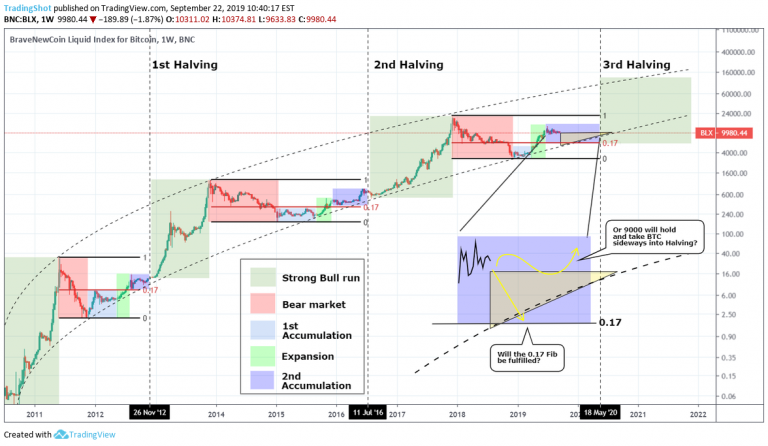
Bitcoin all time chart showcases the remarkable journey of one of the most talked-about assets in the financial world, revealing its price fluctuations and historical significance in the cryptocurrency market.

This extensive chart not only highlights Bitcoin’s price movements from its inception to the present but also sheds light on key milestones and events that have shaped its trajectory, making it a vital tool for understanding the future of digital currency.

Overview of Bitcoin All Time Chart

The Bitcoin all time chart serves as a crucial tool for understanding the price history and market dynamics of the world’s first cryptocurrency. It visualizes Bitcoin’s price movements since its inception in 2009, highlighting the trends, volatility, and significant events that have shaped its journey. This chart not only reflects the growth of Bitcoin as a digital asset but also illustrates the market’s response to various developments in the broader economic landscape.The historical price movements of Bitcoin reveal a dramatic narrative filled with peaks and troughs.

Initially launched at a mere fraction of a cent, Bitcoin’s price experienced its first major surge in late 2013 when it broke through the $1,000 mark. Following a period of consolidation and a significant crash in early 2014, Bitcoin entered a prolonged bear market that lasted until late 2015. A resurgence began in 2016, culminating in an extraordinary rally in late 2017 where Bitcoin reached nearly $20,000.

This was largely driven by increased media coverage, institutional interest, and the overall crypto boom. Subsequent corrections followed, with notable price fluctuations, including another peak in December 2020 when Bitcoin surpassed $40,000, largely fueled by institutional investments and the adoption of Bitcoin as a hedge against inflation.

Key Milestones Influencing Bitcoin’s Price Trajectory

Several significant milestones and events have had a profound impact on Bitcoin’s price trajectory, shaping its perception and acceptance in the financial landscape. These milestones include regulatory developments, technological upgrades, and macroeconomic factors. Understanding these events provides insights into the volatile nature of Bitcoin.

  • The Launch of Bitcoin in 2009: Bitcoin was introduced to the public by an anonymous entity known as Satoshi Nakamoto, marking the beginning of the cryptocurrency era.
  • First Bitcoin Transaction in 2010: The first real-world transaction took place when a programmer paid 10,000 BTC for two pizzas, defining the concept of digital currency exchange.
  • The Mt. Gox Incident in 2014: The collapse of Mt. Gox, a major Bitcoin exchange, led to a significant loss of funds and eroded trust in the cryptocurrency, resulting in a price drop.
  • The Bitcoin Scaling Debate (2016-2017): Discussions around block size and transaction speed influenced prices as the community debated how to achieve scalability.
  • Institutional Adoption in 2020: Major corporations like MicroStrategy and Tesla began investing in Bitcoin, propelling its price and validating its status as a store of value.
  • The Bitcoin Futures Launch in December 2017: The introduction of Bitcoin futures by major exchanges legitimized its existence in traditional financial markets, impacting its trading strategies.

“The volatility of Bitcoin is both its blessing and curse, attracting traders and investors with its potential for high returns, while also posing risks of substantial losses.”

Key Features of the Bitcoin All Time Chart

The Bitcoin All Time Chart serves as a vital tool for investors and analysts, offering insights into the cryptocurrency’s historical price movements, trading volume, and overall market capitalization. By examining these key features, one can better understand the dynamics that drive Bitcoin’s value over time.One of the most important aspects of the Bitcoin All Time Chart is its main components: price, volume, and market cap.

Each of these elements plays a significant role in how the market perceives Bitcoin’s performance and potential for growth.

Main Components of the All Time Chart

To fully grasp Bitcoin’s price movement, it is essential to analyze the following components:

  • Price: The price line on the chart reflects Bitcoin’s market value at various points in time. Significant price increases or decreases may indicate trends, market sentiment, or economic events affecting the cryptocurrency.
  • Volume: Trading volume represents the number of Bitcoin transactions within a specific time frame. High volume often accompanies price volatility, suggesting increased market activity and investor interest.
  • Market Cap: Market capitalization is calculated by multiplying the current price by the total supply of Bitcoin. It provides a snapshot of Bitcoin’s overall value in the market and helps compare it with other cryptocurrencies.

The importance of different time frames—daily, weekly, and monthly—cannot be overstated in understanding Bitcoin’s price movements. Each time frame captures distinct market behavior and provides various perspectives on price trends.

Importance of Time Frames

Analyzing Bitcoin’s chart across different time frames allows investors to identify short-term fluctuations as well as long-term trends.

  • Daily Charts: Daily charts are useful for day traders and those looking to make quick decisions based on immediate market conditions. They highlight short-term volatility and can reveal entry and exit points.
  • Weekly Charts: Weekly charts smooth out daily fluctuations and help identify trends over a medium-term horizon. They can indicate whether a price trend is gaining or losing momentum.
  • Monthly Charts: Monthly charts provide a broader view of Bitcoin’s performance, allowing for analysis of long-term trends and potential market cycles. They can help investors gauge overall sentiment and market direction.

Chart patterns and indicators are integral to interpreting Bitcoin’s price movements, offering visual cues that can forecast potential outcomes.

Chart Patterns and Indicators

Chart patterns and technical indicators help traders identify trends and make informed decisions based on the historical performance of Bitcoin.

  • Support and Resistance Levels: Support levels indicate where buyers typically enter the market, preventing prices from falling further, while resistance levels highlight where sellers emerge to push prices down.
  • Moving Averages: Moving averages smooth out price data to create a trend-following indicator. The crossing of short-term and long-term moving averages can signal potential buy or sell signals.
  • Relative Strength Index (RSI): The RSI measures the speed and change of price movements, indicating whether Bitcoin is overbought or oversold, helping traders make decisions about potential reversals.

These tools enable traders to make sense of Bitcoin’s often volatile price behavior, contributing to more strategic investment decisions based on historical data and patterns.

Historical Price Trends

Bitcoin’s journey through the financial landscape has been marked by dramatic price movements that have captured the attention of investors, regulators, and the general public alike. Understanding these historical price trends is crucial in recognizing the factors that have influenced Bitcoin’s valuation over time. Various spikes and crashes have defined its trajectory, directly correlating with external influences such as market sentiment, technological advancements, and regulatory changes.

Major Price Trends and Timeline

Analyzing Bitcoin’s price trends requires a look at the timeline of significant price movements, both upward spikes and downward crashes, along with their causes.

  • 2010-2011: The Initial Surge
    -Bitcoin began trading at a mere $0.0008, reaching $1 in February 2011. This initial rise was fueled by growing interest in cryptocurrency technology and the emergence of early adopters.
  • 2013: The First Major Spike
    -Bitcoin’s price skyrocketed from approximately $13 in January to nearly $1,200 in December. This increase was driven by media attention, increased adoption, and speculation, alongside economic instability in countries like Cyprus.
  • 2014: The Crash
    -Following its peak, Bitcoin plummeted to around $200 by early 2015. The crash was largely attributed to the infamous Mt. Gox hack, where around 850,000 Bitcoins were stolen, shaking investor confidence.
  • 2017: The All-Time High
    -Bitcoin reached an unprecedented value of nearly $20,000 in December 2017 due to a massive influx of retail investors, fueled by media hype and the launch of Bitcoin futures trading.
  • 2018: The Bear Market
    -The following year marked a significant downturn as Bitcoin’s price fell over 80% to about $3,200. This was influenced by regulatory scrutiny and the bursting of the speculative bubble.
  • 2020-2021: The Resurgence
    -In late 2020, Bitcoin experienced a resurgence, climbing past its previous high to reach over $60,000 in April 2021. Factors included institutional adoption and the growing narrative of Bitcoin as ‘digital gold’.
  • 2022: Market Correction
    -Bitcoin faced another correction, dropping to around $20,000 by the end of 2022 due to global economic conditions, high inflation, and tightening monetary policies.

Impact of External Factors on Price Trends

Several external factors play a crucial role in shaping Bitcoin’s price trends. These include regulatory changes and technological advancements that can either stifle or propel the market.

  • Regulatory Changes
    -The introduction of regulations in countries like China has historically led to price fluctuations. For instance, China’s crackdown on cryptocurrency trading in 2021 resulted in a sharp decline in Bitcoin’s price.
  • Technological Advancements
    -Developments such as the implementation of the Lightning Network have enhanced Bitcoin’s transactional speed and scalability, positively impacting investor sentiment and price stability.
  • Institutional Adoption
    -Increased interest from institutional investors, highlighted by companies like MicroStrategy and Tesla adding Bitcoin to their balance sheets, has created upward pressure on prices.
  • Market Sentiment and Speculation
    -Social media trends and celebrity endorsements have driven speculative trading, often leading to rapid price fluctuations without underlying fundamentals.

“Bitcoin’s price is significantly influenced by external factors, including regulatory scrutiny and technological innovation, making it a volatile asset.”

Understanding Bitcoin’s historical price trends provides essential insights into its current state and future potential within the broader financial landscape. The interplay of various factors illustrates the complexity and dynamism of cryptocurrency markets, positioning Bitcoin at the forefront of financial innovation.

Comparative Analysis with Other Cryptocurrencies

Bitcoin all time chart

The cryptocurrency market is a dynamic and rapidly changing landscape, where Bitcoin stands as the pioneer and the most recognized digital asset. However, several other cryptocurrencies like Ethereum and Litecoin have also carved out significant niches within this ecosystem. Analyzing the all-time charts of these cryptocurrencies provides insights into their price movements and market behaviors, highlighting both similarities and differences that can inform investment strategies.In comparing Bitcoin to other leading cryptocurrencies, it becomes evident that while they share certain characteristics, their market performances can diverge significantly based on various factors.

One of the key distinctions lies in their use cases and technological foundations. Bitcoin primarily serves as a decentralized digital currency, whereas Ethereum is a platform for decentralized applications (dApps) and smart contracts, and Litecoin was created to offer faster transaction confirmations.

Price Movements and Market Behaviors

The price movements of Bitcoin, Ethereum, and Litecoin exhibit both correlation and divergence, influenced by market sentiment, technological developments, and regulatory news. Understanding these movements is crucial for investors looking to navigate the crypto landscape effectively. The following table summarizes the market performances of Bitcoin, Ethereum, and Litecoin over the years, illustrating their historical price trends:

Year Bitcoin (BTC) Ethereum (ETH) Litecoin (LTC)
2015 $430 $0.93 $3.50
2017 $19,783 $1,422 $360
2020 $29,000 $730 $130
2021 $64,000 $4,000 $250
2023 $45,000 $3,000 $100

The table reveals that Bitcoin has consistently maintained the highest value among these cryptocurrencies, particularly during market peaks. Ethereum, while having lower prices, has shown remarkable percentage gains, especially around the time of its major upgrades and the rise of decentralized finance (DeFi). Litecoin, known for its speed and lower fees, has seen its price fluctuate but generally remains a more stable option than Ethereum.

“Bitcoin’s price is often influenced by macroeconomic trends, whereas Ethereum’s price can be swayed by developments in its ecosystem and adoption rates.”

This comparative analysis underscores that while Bitcoin remains the dominant player, the unique features and market dynamics of Ethereum and Litecoin contribute to their roles in the cryptocurrency market. Investors should consider these factors when evaluating potential opportunities.

Future Projections Based on Historical Data

As the cryptocurrency market develops, making future price projections for Bitcoin becomes increasingly essential for both investors and analysts. Historical data provides valuable insights into price behavior, offering a framework to anticipate how Bitcoin’s value might evolve in light of various factors influencing the market.Examining Bitcoin’s all-time chart reveals notable patterns and trends that can inform future price movements. For instance, historical bull runs have often followed significant adoption milestones or macroeconomic events, indicating that similar occurrences may influence the price trajectory in the future.

Additionally, the cyclical nature of Bitcoin’s price, characterized by periods of sharp increases followed by corrections, is a pattern that could play a role in shaping future evaluations.

Key Factors Impacting Future Pricing

Several elements contribute to Bitcoin’s future price movements, each capable of swaying investor sentiment and market dynamics.

  • Market Adoption: Increased acceptance of Bitcoin as a payment method by merchants and businesses can drive demand, influencing price positively.
  • Regulatory Environment: Regulatory developments, from favorable policies to strict regulations, can significantly affect market behavior and investor confidence.
  • Investor Sentiment: Market psychology plays a crucial role. Positive news can lead to a surge in buying activity, while negative headlines may prompt sell-offs.
  • Technological Developments: Innovations in blockchain technology and improvements in Bitcoin’s underlying protocol can enhance efficiency and security, bolstering market confidence.
  • Global Economic Trends: Factors such as inflation rates, economic crises, and shifts in currency value can drive investors toward Bitcoin as a perceived store of value.

While these factors provide a framework for understanding potential future price movements, they are inherently interconnected and can influence one another in complex ways.

Projection Scenarios Based on Historical Data Analysis

To illustrate potential future scenarios for Bitcoin’s pricing, we can analyze historical price movements and create a projection table based on past performance under different market conditions.

Scenario Description Projected Price (USD) Timeframe
Bull Market Resurgence Continued institutional investment and positive regulatory news drive prices. $100,000 12-18 months
Market Correction A significant market downturn due to negative news or regulatory crackdowns. $30,000 6-12 months
Stable Growth Gradual adoption and steady investor interest maintain a slower price increase. $60,000 24 months
Technological Breakthrough Major advancements in blockchain technology enhance Bitcoin usability and security. $120,000 12-24 months

In summary, while historical trends provide a roadmap for future projections, the cryptocurrency landscape is inherently volatile and influenced by a myriad of factors. Investors should continually assess the environment and adjust their strategies accordingly, considering both historical data and current market conditions.

Tools for Analyzing Bitcoin All Time Chart

Analyzing Bitcoin’s all time chart effectively is crucial for making informed investment decisions. Various analytical tools are available that can enhance your understanding of price movements, trends, and market sentiment. By utilizing these tools, investors can gain deeper insights into potential future performance, ultimately improving their trading strategies and outcomes.Using analytical tools for Bitcoin involves both technical indicators and market data interpretation.

The right combination can help investors identify entry and exit points, assess market trends, and understand the broader economic influences at play. Here’s a closer look at some of the popular tools available for this purpose.

Popular Analytical Tools

A variety of analytical tools can be utilized to analyze Bitcoin’s all time chart effectively. Each tool offers unique features that cater to different aspects of market analysis. Here’s a list of some top tools you might consider:

  • TradingView: A comprehensive platform offering a wide array of charting tools, indicators, and social networking features for traders. Users can customize charts to suit their analysis needs.
  • CoinMarketCap: Provides real-time data on cryptocurrency prices, market capitalization, and trading volumes. It’s useful for understanding Bitcoin’s market position relative to other cryptocurrencies.
  • CryptoCompare: Offers detailed historical data, price comparisons, and portfolio management tools. This helps in evaluating Bitcoin’s performance over various time frames.
  • Glassnode: A blockchain analytics platform that provides on-chain data insights. It helps in understanding market cycles and investor behavior through metrics such as active addresses and transaction volumes.
  • Coinigy: A trading platform that integrates with multiple exchanges. It offers advanced charting tools and market analysis features, making it suitable for active traders.

Utilizing these tools effectively requires understanding their features and functionalities. For instance, when using TradingView, investors can set up custom alerts for specific price levels or technical indicators, allowing for timely decision-making. Additionally, tools like Glassnode can help identify market sentiment shifts through on-chain data, providing a more comprehensive view of market dynamics.

Combining Technical and Fundamental Analysis

The integration of technical analysis with fundamental analysis is vital for a holistic interpretation of Bitcoin’s all time chart. Technical analysis focuses on price trends and patterns, relying on historical price data and trading volumes. In contrast, fundamental analysis examines external factors that could impact Bitcoin’s value, such as regulatory developments, macroeconomic conditions, and technological advancements.Understanding the interplay between these analyses enhances decision-making.

For example, while a technical chart may indicate a bullish trend, fundamental analysis could reveal potential risks, such as regulatory changes that might affect market confidence. Thus, investors should:

  • Study price patterns and trends through technical indicators like moving averages and RSI (Relative Strength Index).
  • Keep up with news related to Bitcoin and cryptocurrency regulations that could impact market behavior.
  • Analyze significant events such as Bitcoin halving or institutional adoption trends that may influence supply and demand.

By combining both analyses, investors can develop a more robust strategy that accounts for both historical price movements and broader economic factors, ultimately leading to more informed investment decisions.

Community Insights and Expert Opinions

The Bitcoin all-time chart has sparked interest not only among investors but also among analysts and experts who provide valuable insights into its implications for the future of cryptocurrency. Their analyses often highlight patterns, historical performance, and potential market movements, contributing to a richer understanding of Bitcoin’s trajectory.Experts in the cryptocurrency space frequently share their predictions and observations regarding Bitcoin, making the all-time chart a focal point for various discussions.

By diving into comments from reputable analysts, we can gain a clearer picture of where Bitcoin stands and where it may be heading.

Insights from Analysts on Bitcoin’s Trajectory

Numerous analysts have closely examined Bitcoin’s all-time chart, offering predictions and observations that can help investors make informed decisions. Their insights often reveal the psychological factors influencing market movements and price fluctuations. PlanB, a well-known Bitcoin analyst, has famously predicted that Bitcoin could reach $100,000 based on historical trends and stock-to-flow models. He emphasizes the importance of Bitcoin’s scarcity and its increasing adoption as key drivers of future price growth.

  • Anthony Pompliano, an influential figure in the crypto space, often highlights that Bitcoin’s all-time chart indicates a long-term upward trend. He posits that institutional adoption and macroeconomic conditions such as inflation will significantly impact Bitcoin’s price.
  • Willy Woo, a prominent on-chain analyst, has noted that Bitcoin is experiencing an accumulation phase, suggesting that many investors are buying and holding. He states that historical cycles indicate significant price increases following accumulation periods.

“Bitcoin is not just an investment; it’s a revolution in the financial world that is here to stay.”

Anthony Pompliano

The diverse viewpoints from analysts underscore the complexity and volatility of Bitcoin’s market. Understanding these perspectives can enhance an investor’s strategy and decision-making.

Diverse Viewpoints on Bitcoin’s Future

The community surrounding Bitcoin includes various experts whose opinions shed light on its potential future based on historical data from the all-time chart. Their analyses are instrumental in painting a comprehensive picture of what lies ahead.

  • Raoul Pal, co-founder of Real Vision, has expressed that he believes Bitcoin could reach similar market caps to gold. He predicts that Bitcoin might surpass $1 million in the next decade, encouraging investors to consider long-term holding strategies.
  • Michael Saylor, CEO of MicroStrategy, has consistently voiced his confidence in Bitcoin, stating that it serves as a hedge against inflation. He often refers to the historical performance of Bitcoin, suggesting that it could become an essential part of corporate treasury strategies.
  • Cathy Wood, CEO of ARK Invest, has projected that Bitcoin could reach $500,000 by 2026. She bases her predictions on the increasing adoption of digital assets and evolving market conditions that favor Bitcoin as a store of value.

“Investing in Bitcoin now is like investing in the internet in the 1990s.”

Raoul Pal

These insights and predictions from experts in the field collectively provide a roadmap for understanding Bitcoin’s future, driven by historical performance and market sentiment.

Outcome Summary

In conclusion, the Bitcoin all time chart serves as both a historical record and a predictive tool, helping investors navigate the often turbulent waters of cryptocurrency investment. Understanding its trends and milestones can provide valuable insights into what lies ahead for Bitcoin and the broader market.

Questions Often Asked

What does the Bitcoin all time chart represent?

The Bitcoin all time chart represents the historical price movements of Bitcoin from its creation to the present, illustrating its volatility and growth over time.

How can I interpret the Bitcoin all time chart?

Interpreting the Bitcoin all time chart involves analyzing price patterns, volume, and market cap across different time frames to understand market trends and investor sentiment.

Why are historical price trends important for Bitcoin?

Historical price trends provide context for understanding Bitcoin’s market behavior, helping investors make informed decisions based on past performance.

Can the Bitcoin all time chart predict future prices?

While the Bitcoin all time chart can provide insights into potential future price movements based on historical trends, it cannot guarantee future outcomes due to market volatility and unforeseen factors.

Which tools are best for analyzing the Bitcoin all time chart?

Popular tools for analyzing the Bitcoin all time chart include trading platforms like TradingView, CoinMarketCap, and analysis software that offer various indicators for market assessment.

Investing in Bitcoin can be exciting, but navigating the process of buying and securely storing it in your wallet can feel daunting. This guide demystifies the entire journey, from understanding Bitcoin transactions to securing your digital holdings. We’ll explore various methods for acquiring Bitcoin, examining the different wallet types and security measures involved.

Whether you’re a seasoned crypto investor or just starting out, this comprehensive overview provides a clear roadmap for buying Bitcoin and safely transferring it to your personal wallet. We’ll also address common concerns and provide practical tips for navigating the Bitcoin market effectively.

Understanding Bitcoin Wallet Transactions

Bitcoin transactions are the lifeblood of the cryptocurrency, facilitating the exchange of value between users. Understanding the process involved in buying and transferring Bitcoin to a personal wallet is crucial for navigating the digital asset landscape safely and effectively. This involves more than just a simple transfer; it encompasses the entire ecosystem of wallets, purchasing methods, and security considerations.

Bitcoin Purchase Process

The process of buying Bitcoin and transferring it to a personal wallet typically involves these steps: First, you need to select a reputable Bitcoin exchange or peer-to-peer platform. Next, you’ll fund your account using a supported payment method. Once your account is funded, you can place an order to buy Bitcoin at the current market price. After the transaction is confirmed on the Bitcoin blockchain, the Bitcoin is credited to your account.

Finally, you need to transfer the Bitcoin to your chosen wallet. This transfer is usually instant or near-instant, depending on the wallet and the transaction volume. Security measures are paramount throughout this process, from verifying your account details to using strong passwords and secure connections.

Types of Bitcoin Wallets

Various wallet types cater to different needs and security levels. Hardware wallets are physical devices that store your Bitcoin offline, providing a high level of security. Software wallets operate on your computer or mobile device, offering flexibility but potentially exposing your funds to risks if the device is compromised. Mobile wallets provide a convenient way to manage Bitcoin on smartphones, but the security depends on the app and your device’s security settings.

Bitcoin Purchase Methods

Numerous methods exist for acquiring Bitcoin. Exchanges like Coinbase, Kraken, and Binance offer a structured platform for buying and selling Bitcoin. Peer-to-peer (P2P) platforms, such as LocalBitcoins, connect buyers and sellers directly, often allowing for alternative payment methods and potentially lower fees. Choosing the right method depends on your comfort level with the platform and the associated risks.

Steps for Purchasing and Depositing Bitcoin

A typical sequence involves: (1) selecting an exchange; (2) funding your account; (3) placing a Bitcoin purchase order; (4) confirming the order; (5) receiving the Bitcoin; (6) transferring the Bitcoin to your chosen wallet. These steps must be followed carefully to avoid common pitfalls. Ensure that the exchange or platform you choose is reputable and that you maintain strong security practices.

Comparison of Bitcoin Wallet Types

Wallet Type Security Ease of Use Fees
Hardware Wallet High Medium Generally low
Software Wallet Medium High Generally low
Mobile Wallet Low to Medium (depending on app security) High Generally low

This table provides a basic overview of the relative security, ease of use, and typical fees associated with different wallet types. Remember that security measures should be prioritized when selecting a wallet, as the security of your Bitcoin depends directly on the wallet’s robustness.

Security Considerations for Bitcoin Purchases

Buying Bitcoin involves navigating a digital landscape with inherent risks. Understanding these risks and implementing appropriate security measures is crucial for protecting your investment and personal information. Carefully researching reputable platforms and adhering to secure practices is paramount to a safe Bitcoin experience.Securing your Bitcoin holdings necessitates vigilance and a proactive approach. This involves understanding the various threats associated with Bitcoin transactions and adopting strategies to mitigate them.

This document Artikels common security pitfalls and effective countermeasures, equipping you with the knowledge to navigate the Bitcoin marketplace safely.

Potential Security Risks

Bitcoin transactions, while offering potential benefits, are not immune to security threats. These risks range from scams and fraudulent activities to technical vulnerabilities. Understanding these risks is the first step towards mitigating them. Phishing attempts, malware infections, and compromised platforms are all potential dangers. Furthermore, poorly secured wallets and lack of due diligence can expose users to financial loss.

Protecting Against Scams and Fraud

Scams are a significant concern in the Bitcoin world. Many scams exploit the complexities of cryptocurrency trading. Recognizing these scams and their tactics is key to avoiding them. Phishing emails and fraudulent websites are common tactics used to deceive unsuspecting users into revealing their private keys or login credentials. Furthermore, fake exchanges and investment opportunities are common pitfalls.

Examples of Common Bitcoin Scams

Common Bitcoin scams often prey on users’ desire for quick profits or easy access to Bitcoin. A prevalent example is the “too-good-to-be-true” investment opportunity. These scams typically involve promises of high returns with little to no risk. Another common scam involves fake exchanges that steal user funds. The key is to thoroughly research any platform or individual offering investment opportunities, verifying legitimacy before committing funds.

Importance of Strong Passwords and Two-Factor Authentication

Strong passwords and two-factor authentication (2FA) are essential for safeguarding your Bitcoin wallet. Robust passwords, ideally a combination of uppercase and lowercase letters, numbers, and symbols, are crucial for resisting unauthorized access. 2FA adds an extra layer of security by requiring a second verification step beyond a password, significantly enhancing protection against unauthorized login attempts. Employing both strong passwords and 2FA is a fundamental step in protecting your Bitcoin holdings.

Security Best Practices

Category Best Practice Explanation
Platform Selection Verify platform legitimacy Thoroughly research the platform’s reputation and security measures before using it for transactions.
Transaction Security Use secure connections Ensure all transactions occur over encrypted connections (HTTPS).
Wallet Security Strong passwords and 2FA Implement strong passwords and enable 2FA for added security.
Transaction Verification Double-check transactions Carefully review all transaction details before confirming any purchase or transfer.
Software Updates Keep software up-to-date Regularly update your Bitcoin wallet and operating system to patch security vulnerabilities.

Factors Influencing Bitcoin Purchase Decisions

Deciding to buy and hold Bitcoin involves careful consideration of various factors beyond simply its price fluctuations. Investors must weigh potential benefits against drawbacks, evaluate market trends, and understand the underlying ecosystem. This process requires a comprehensive approach that goes beyond superficial market analysis.Understanding the motivations behind Bitcoin purchases is crucial. Individual circumstances, investment goals, and risk tolerance all play significant roles in the decision-making process.

This exploration will delve into the key drivers behind Bitcoin investment decisions, contrasting them with other investment avenues, and examining the critical role of market dynamics.

Motivations for Bitcoin Purchase

Investors often cite potential for high returns as a primary motivation for acquiring Bitcoin. However, other factors like diversification of investment portfolios, long-term growth prospects, and the allure of decentralized finance also influence decisions. A strong belief in Bitcoin’s future, despite its volatility, often fuels the investment.

Comparison with Other Investment Options

Bitcoin’s unique characteristics set it apart from traditional investments like stocks or bonds. While stocks offer potential for capital appreciation through company growth, Bitcoin’s value is driven by market forces and adoption. Bonds provide relative stability, but typically yield lower returns compared to Bitcoin’s potential. The decision to invest in Bitcoin often involves evaluating the specific risk tolerance and financial goals of the individual investor.

Impact of Market Trends and Volatility

Bitcoin’s price is highly volatile, exhibiting significant fluctuations. This volatility can deter some investors while attracting others seeking high-risk, potentially high-reward opportunities. Market trends, including regulatory developments and technological advancements, significantly impact investor sentiment and consequently, Bitcoin’s price. Understanding the historical trends and potential catalysts for change is vital for informed decision-making.

Understanding the Bitcoin Ecosystem and Regulatory Landscape

The Bitcoin ecosystem encompasses a network of nodes, wallets, exchanges, and other participants. Investors must be aware of the intricacies of this system, including security considerations and potential vulnerabilities. The regulatory landscape surrounding Bitcoin varies across jurisdictions, creating complexities for investors. A comprehensive understanding of the ecosystem and regulatory environment is paramount to managing risks and capitalizing on opportunities.

Investment Strategies for Bitcoin

Different investment strategies cater to varying risk tolerances and financial objectives.

Investment Strategy Potential Risks Potential Rewards
Long-term HODLing Significant price fluctuations, regulatory uncertainty, security risks Potentially substantial capital gains if Bitcoin’s value increases over a prolonged period
Day Trading High risk of significant losses due to rapid price changes, requires significant expertise Potentially higher returns in shorter timeframes if successful
Dollar-Cost Averaging Potential for missing out on price highs, not immune to market volatility Reduces overall risk compared to lump-sum investments, can benefit from market corrections
Bitcoin ETFs Potential for regulatory hurdles, liquidity concerns Potential for greater accessibility and diversification, potentially reduced volatility compared to direct investment

Understanding the potential risks and rewards associated with each strategy is crucial before committing to a specific approach.

Alternatives to Direct Wallet Purchases

Acquiring Bitcoin isn’t limited to direct purchases through a wallet. Various methods exist for indirect acquisition, enabling flexibility and diverse use cases. Understanding these alternative approaches enhances the overall Bitcoin experience.A range of methods allows for the indirect acquisition of Bitcoin, which can subsequently be transferred to a digital wallet. These alternative methods provide various options and enhance the utility of Bitcoin beyond direct purchases.

Indirect Acquisition Methods

Several methods allow acquiring Bitcoin without direct wallet purchases. These encompass exchanges, peer-to-peer platforms, and using Bitcoin as a payment method.

  • Bitcoin Exchanges: Exchanges facilitate the purchase of Bitcoin using traditional currencies like US Dollars, Euros, or other fiat currencies. Users can deposit funds into their exchange account and then buy Bitcoin. Security protocols, transaction fees, and platform reputation should be carefully considered when selecting an exchange.
  • Peer-to-Peer (P2P) Platforms: These platforms connect buyers and sellers directly, allowing for Bitcoin purchases outside of traditional exchange environments. P2P platforms often employ alternative payment methods, enabling greater flexibility. Buyer and seller verification, transaction safety measures, and understanding of the platform’s specific procedures are crucial when utilizing these platforms.
  • Using Bitcoin as a Payment Method: Bitcoin can be used to pay for goods and services. This indirect acquisition method involves receiving Bitcoin as payment, rather than directly purchasing it.

Using Bitcoin as a Payment Method

Bitcoin’s utility extends beyond simple acquisition. Businesses and individuals can accept Bitcoin as payment for goods and services. This transaction method can be advantageous for international transactions, bypassing traditional banking systems.

  • Examples of Businesses Accepting Bitcoin: Numerous businesses, from online retailers to physical stores, accept Bitcoin. The range of businesses accepting Bitcoin is continually expanding, including some large corporations and specialized online marketplaces. Examples include major retailers, e-commerce platforms, and various service providers.

Bitcoin for International Transactions

Bitcoin transactions can efficiently circumvent traditional banking systems’ limitations, particularly for international payments. This characteristic is especially advantageous when dealing with cross-border transactions, reducing reliance on traditional currency exchanges and associated fees.

  • Process Overview: The process for international Bitcoin transactions mirrors the direct wallet purchase process, but involves an intermediary platform. The seller and buyer exchange Bitcoin, facilitating the transaction. Exchange platforms or peer-to-peer marketplaces often play a key role in handling these transactions.

Use Cases Beyond Direct Wallet Purchases

Beyond direct wallet purchases, Bitcoin’s application spans a range of use cases. This flexibility makes it an increasingly popular asset.

  • Investment: Bitcoin serves as a speculative investment asset, allowing users to potentially profit from its price fluctuations. Investment strategies vary, with some individuals utilizing Bitcoin for diversification and long-term investment portfolios. It’s crucial to research and understand investment risks before utilizing Bitcoin in investment portfolios.
  • International Remittances: Bitcoin’s capability to bypass traditional banking systems allows for faster and potentially cheaper international money transfers, particularly when traditional methods prove expensive or unreliable. This is especially beneficial in regions with limited or expensive banking infrastructure.
  • Financial Freedom: In certain regions, Bitcoin transactions can facilitate financial freedom by enabling individuals to bypass traditional financial institutions, potentially improving access to financial services. However, it’s essential to understand the legal frameworks and regulatory aspects concerning Bitcoin transactions.
  • Speculation and Trading: Bitcoin’s volatility makes it attractive for speculation and trading activities. Individuals and entities engage in trading Bitcoin based on price predictions and market analysis, with the potential for significant gains or losses. It’s vital to understand the inherent risks of speculative trading before participating.

Buying Bitcoin

Bitcoin, a decentralized digital currency, has gained significant traction as an investment asset. Its value is influenced by a complex interplay of factors, including market sentiment, regulatory developments, and technological advancements. Understanding these dynamics is crucial for anyone considering purchasing Bitcoin. This section provides a comprehensive overview of the Bitcoin market, practical research strategies, and the process of buying Bitcoin.

Bitcoin Market Overview and Value Drivers

The Bitcoin market is characterized by volatility. Its price fluctuates significantly in response to various factors. Supply and demand dynamics play a pivotal role, with increasing demand often correlating with price increases. Market sentiment, including investor confidence and news events, can also significantly influence Bitcoin’s value. Furthermore, regulatory developments, such as government regulations regarding cryptocurrencies, can have a profound impact on the market.

Technological advancements and innovations in the blockchain space can also affect investor perception and, consequently, Bitcoin’s value. For example, advancements in Bitcoin mining efficiency can lead to speculation and fluctuations in the market.

Researching Reputable Bitcoin Exchanges

Choosing a reliable and secure Bitcoin exchange is paramount for a smooth and safe transaction. Thorough research is essential. Assessing an exchange’s reputation involves reviewing user reviews, checking for regulatory compliance, and verifying the exchange’s security measures. Examining the exchange’s trading volume and liquidity can also provide insights into its stability. Reputable exchanges typically have a proven track record and prioritize user security.

Steps for Choosing a Bitcoin Exchange

A structured approach to selecting a suitable exchange ensures a more informed decision.

  • Evaluate Security Measures: Examine the exchange’s security protocols, including two-factor authentication, encryption, and cold storage of funds. A strong security posture is crucial for protecting your investments.
  • Analyze Fees and Transaction Costs: Different exchanges charge varying fees for trading and withdrawals. Comparing these fees is essential to minimizing transaction costs. Look for exchanges with transparent fee structures.
  • Consider Trading Volume and Liquidity: A high trading volume and sufficient liquidity indicate a robust and stable exchange, minimizing potential issues during large transactions.
  • Review User Reviews and Testimonials: Scrutinize user feedback on reputable review platforms. Look for patterns in user experiences to assess the exchange’s overall reliability and customer support.
  • Check Regulatory Compliance: Verify that the exchange adheres to relevant regulatory guidelines in your jurisdiction. Regulatory compliance is a crucial indicator of the exchange’s legitimacy.

Account Verification and Bitcoin Purchase

Account verification and Bitcoin purchases are typically straightforward processes on reputable exchanges.

  1. Account Creation and Verification: Follow the exchange’s instructions to create an account and provide necessary identification documents. The process usually involves verifying your identity and address.
  2. Funding Your Account: Deposit funds into your exchange account using a supported payment method. Choose the payment method that aligns with your financial preferences and security needs.
  3. Bitcoin Purchase: Once your account is funded, use the platform’s interface to specify the amount of Bitcoin you wish to purchase. Confirm the transaction to complete the purchase.

Bitcoin Transaction Fees

Bitcoin transactions involve fees that are charged by the network. These fees are crucial for processing transactions on the blockchain. They incentivize miners to include transactions in the next block and maintain the network’s functionality. The amount of the transaction fee often depends on the network’s congestion. Higher fees are generally required during periods of high network traffic.

For example, during periods of significant market activity, fees might increase substantially. Transaction fees can vary depending on the exchange and the chosen payment method. Understanding these fees is vital for budgeting purposes and managing your financial resources.

Visual Representation of Bitcoin Transactions

How To Buy Bitcoin With Zelle Pay: 4 Best Places 2025 | HwC

Bitcoin transactions are complex processes, but visualizing them can make understanding them easier. This section provides a visual and descriptive representation of the steps involved in buying and transferring Bitcoin, along with the crucial aspects of transaction confirmation and the blockchain.

Flowchart of Bitcoin Purchase and Transfer

A typical Bitcoin purchase and transfer process involves several key steps. The following flowchart illustrates the general process:[Diagram of a flowchart with boxes representing steps, arrows representing transitions. The boxes would include: 1. User selects a Bitcoin exchange; 2. User creates an account; 3.

User deposits funds; 4. User places an order to buy Bitcoin; 5. Exchange verifies order; 6. Bitcoin is credited to user’s wallet; 7. User initiates transfer to a different wallet; 8.

Transaction is broadcast to the blockchain; 9. Transaction is confirmed by the network; 10. Bitcoin is credited to the destination wallet.]

Bitcoin Transaction Types and Fees

Different Bitcoin transaction types have varying fees associated with them. This table categorizes common transaction types and their associated costs:

Transaction Type Description Typical Fee (USD)
Simple Wallet Transfer Sending Bitcoin from one wallet to another $0.001 – $0.01 (or less)
Bitcoin Exchange Purchase Buying Bitcoin on an exchange $0.001 – $0.10 (or more) depending on the exchange and volume
Bitcoin Exchange Sell Selling Bitcoin on an exchange $0.001 – $0.10 (or more) depending on the exchange and volume
Bitcoin Lightning Network Payment Fast, low-fee transaction via the Lightning Network $0.0001 – $0.001 (or less)

Note that fees are dynamic and can fluctuate based on network congestion.

Bitcoin Transaction Confirmations

The number of confirmations a Bitcoin transaction receives signifies its level of finality. A higher number of confirmations means the transaction is less likely to be reversed.

Transaction confirmations are crucial for ensuring the security and finality of Bitcoin transactions. They demonstrate that the transaction has been validated by multiple nodes on the Bitcoin network.

Bitcoin Blockchain and Transaction History

The Bitcoin blockchain is a decentralized, public ledger that records every Bitcoin transaction. This transparency is a key security feature of the system.

The blockchain is structured chronologically, allowing users to trace the history of every Bitcoin. This includes the amount, sender, recipient, and timestamp of each transaction.

The blockchain verifies transactions by hashing them together with previous blocks, forming an immutable chain.

Tracking Bitcoin Transactions

Several tools and resources allow users to track their Bitcoin transactions. These include:

  • Bitcoin Wallet Applications: Many Bitcoin wallets provide transaction histories within the app itself. This allows users to monitor their transactions directly.
  • Blockchain Explorers: Dedicated websites, like Blockchain.com or Blockchair, provide a comprehensive view of the Bitcoin blockchain. These platforms allow users to search for specific transactions based on various criteria (e.g., transaction ID, address).
  • Bitcoin Tracking Websites: Certain websites specialize in tracking Bitcoin transactions. These platforms often provide additional context and analytics.

Final Conclusion

In conclusion, buying Bitcoin and transferring it to your wallet is a multifaceted process. This guide has highlighted the key steps, from understanding the various wallet options and purchase methods to the crucial security considerations. Remember to thoroughly research and choose reputable platforms, understand market trends, and prioritize your security to make informed decisions. By understanding these aspects, you can confidently navigate the world of Bitcoin investments.

FAQ Guide

How can I choose a reputable Bitcoin exchange?

Research thoroughly. Look for exchanges with strong security measures, positive user reviews, and regulatory compliance. Check their licensing and history.

What are the typical transaction fees for buying Bitcoin?

Transaction fees vary based on the exchange and the specific transaction. Fees can also depend on the volume and type of transaction. Always check the exchange’s fee structure before making a purchase.

What are the differences between hardware and software wallets?

Hardware wallets are generally more secure but often more expensive. Software wallets offer greater convenience but require more user vigilance to protect against hacking. Mobile wallets offer a balance between convenience and security.

What are the risks involved in using peer-to-peer platforms for buying Bitcoin?

Peer-to-peer transactions can involve higher risks due to the lack of intermediary oversight. Be cautious when dealing with unknown users and ensure you use secure methods for transactions. Verify the seller’s legitimacy thoroughly.

Investing in Bitcoin and gold has become increasingly popular, offering potential for substantial returns. However, navigating the complexities of these volatile markets requires careful consideration. This guide provides a comprehensive overview, examining the historical context, potential risks, and key strategies for successfully integrating both Bitcoin and gold into your investment portfolio.

Understanding the correlation between Bitcoin and gold prices, and the factors influencing their respective values, is crucial for informed decision-making. This exploration delves into the intricacies of buying these assets, highlighting the diverse investment strategies and the importance of risk management.

Introduction to Investing in Bitcoin and Gold

Bitcoin and gold, two distinct assets, have captivated investors worldwide for their potential returns and perceived stability. Understanding their historical roles, characteristics, and inherent risks is crucial for any investor considering incorporating them into their portfolio. This section provides a concise overview of these assets, highlighting their potential advantages and disadvantages.Investing in both Bitcoin and gold requires careful consideration of the individual investor’s risk tolerance, financial goals, and investment horizon.

While both can potentially offer attractive returns, they come with unique sets of risks that must be weighed against potential rewards.

Overview of Bitcoin as an Investment Asset

Bitcoin, a decentralized digital currency, emerged as a disruptive force in the financial landscape. Its unique characteristic of being not backed by any central bank or government has attracted significant attention. Bitcoin’s value is determined by market forces, primarily supply and demand. This characteristic contributes to its volatility, making it a high-risk, high-reward investment.

Overview of Gold as an Investment Asset

Gold, a precious metal, has historically served as a store of value and a hedge against inflation. Its perceived stability and scarcity have cemented its position as a traditional investment asset. Gold’s value is influenced by global economic factors, but its inherent properties provide a level of security that Bitcoin lacks.

Historical Context and Significance

Bitcoin’s emergence in 2009 marked a pivotal moment in the digital age, offering a decentralized alternative to traditional currencies. Its rise and fall have been dramatic, illustrating the volatile nature of cryptocurrencies. Gold, on the other hand, has a long history as a valuable asset, dating back centuries. Its use as a store of value and a hedge against economic uncertainty has been consistently recognized throughout history.

Potential Risks and Rewards of Investing in Bitcoin

Bitcoin’s volatility is a significant risk. Its price can fluctuate dramatically in short periods, leading to substantial gains or losses. The lack of government regulation adds another layer of risk, as the market can be influenced by various factors. However, the potential for substantial returns, driven by adoption and technological advancements, also exists.

Potential Risks and Rewards of Investing in Gold

While gold is generally considered a safe haven asset, its returns are often lower compared to other investments. The global market for gold can also be affected by various factors, including geopolitical events and central bank policies. However, gold’s historical ability to retain value and act as a hedge against inflation makes it an attractive option for investors seeking stability.

Comparative Analysis of Bitcoin and Gold

Characteristic Bitcoin Gold
Volatility High Low
Liquidity Moderate to Low High
Regulation Limited Well-established
Inflation Hedge Potential Historically strong
Transaction Speed High Low (physical transfer)
Storage Digital (security risks exist) Physical (security is paramount)

This table highlights the key differences between Bitcoin and gold as investment assets. Consideration of these factors is essential when determining which asset might be suitable for an individual investor’s portfolio.

Understanding the Correlation Between Bitcoin and Gold

Bitcoin and gold, often considered safe-haven assets, have exhibited a complex relationship throughout their respective histories. Their price movements, while not always perfectly aligned, sometimes show correlations, prompting interest in their potential as complementary investments. Understanding these correlations is crucial for investors seeking diversification and potential hedging strategies.

Historical Price Relationship

The historical relationship between Bitcoin and gold prices is not straightforward. While periods of correlation exist, there are also times when their price movements diverge significantly. Factors like market sentiment, regulatory changes, and overall economic conditions can influence the price dynamics of both assets. Analyzing historical data provides insights into potential patterns and deviations, aiding in the evaluation of their investment potential.

Potential Reasons for Correlation or Divergence

Several factors contribute to the observed correlation or lack thereof between Bitcoin and gold prices. Investor sentiment and market confidence play a pivotal role. During times of economic uncertainty or market volatility, investors may seek refuge in both Bitcoin and gold, leading to a positive correlation. Conversely, if market confidence is high, the correlation might weaken or even reverse.

Differing regulatory environments, investor perception of the future, and technological advancements further influence the dynamic interplay between these assets.

Complementary Investment Strategies

Bitcoin and gold can act as complementary investments in a portfolio. Their potential for diversification stems from their somewhat independent price movements. Holding both assets can potentially reduce portfolio risk, as an increase in the price of one asset may offset a decrease in the price of the other. This approach, however, requires a careful assessment of individual investment goals and risk tolerance.

Price Chart Comparison

The following table presents a hypothetical price comparison between Bitcoin and gold over a 5-year period. Note that this is a hypothetical example and does not represent actual investment advice. Actual data may vary significantly.

Date Bitcoin Price (USD) Gold Price (USD)
2018-01-01 10,000 1,300
2018-06-30 6,000 1,250
2019-01-01 7,500 1,350
2019-06-30 9,000 1,400
2020-01-01 12,000 1,500
2020-06-30 15,000 1,600
2021-01-01 20,000 1,800
2021-06-30 25,000 1,900
2022-01-01 18,000 1,750
2022-06-30 13,000 1,650

Factors Influencing the Decision to Buy Bitcoin

Deciding whether to invest in Bitcoin involves careful consideration of various factors. It’s not a simple “yes” or “no” proposition, but a nuanced evaluation of economic forces, technological advancements, regulatory frameworks, security protocols, and practical purchasing methods. Understanding these elements is crucial for making an informed investment choice.

Economic and Technological Factors Influencing Bitcoin’s Value

Bitcoin’s value is significantly influenced by factors such as market demand, supply, and broader economic conditions. Technological advancements, including improvements in blockchain technology and the development of new applications, can also impact its value proposition. Speculative activity and investor sentiment play a substantial role, often driving volatility in the market. For example, news events, social media trends, and overall market sentiment can cause significant price fluctuations.

These fluctuations make Bitcoin a high-risk, high-reward investment.

Regulatory Landscape Surrounding Bitcoin Investments

The regulatory environment surrounding Bitcoin investments is constantly evolving and varies significantly across jurisdictions. Governments are grappling with the challenges of regulating a decentralized digital asset, leading to a patchwork of rules and regulations. Some jurisdictions have embraced Bitcoin, while others remain more cautious, and still others have implemented strict restrictions. This creates a complex and dynamic regulatory landscape, and investors need to be aware of the specific regulations in their region to ensure compliance.

Security Measures and Considerations for Storing Bitcoin

Securing Bitcoin holdings is paramount. Storing Bitcoin involves selecting secure wallets, which are software applications used to store and manage private keys. Cold storage, such as hardware wallets, is often preferred for increased security. These wallets are disconnected from the internet, reducing the risk of online hacking and theft. Password security and multi-factor authentication are crucial for any online wallet.

Regular audits and security assessments are vital for safeguarding digital assets.

Different Methods of Buying Bitcoin, Including Exchanges and Brokers

Acquiring Bitcoin can be accomplished through various methods, including cryptocurrency exchanges and brokerage platforms. Exchanges facilitate the buying and selling of Bitcoin, often utilizing a peer-to-peer trading system. Brokers, on the other hand, may offer Bitcoin as part of a wider investment portfolio. Both methods have their advantages and disadvantages, and investors should carefully consider their individual needs and risk tolerance before selecting a method.

Table of Bitcoin Exchanges

Exchange Name Fees Security Features Supported Payment Methods
Binance Variable, tiered structure Multi-factor authentication, cold storage, advanced security protocols Credit/Debit cards, bank transfers, other cryptocurrencies
Coinbase Variable, tiered structure Two-factor authentication, security audits, insurance coverage Credit/Debit cards, bank transfers
Kraken Variable, tiered structure Advanced security measures, multi-factor authentication, cold storage Bank transfers, wire transfers, other cryptocurrencies
Gemini Variable, tiered structure Two-factor authentication, security audits, insurance coverage Credit/Debit cards, bank transfers

This table provides a concise overview of some prominent exchanges. Each exchange has its unique set of features and pricing structures, and potential investors should thoroughly research and compare different options before making a decision.

Factors Influencing the Decision to Buy Gold

Is It Possible to Buy Gold with Bitcoin - Gold Guide

Gold has held a prominent position as a store of value for centuries, deeply embedded in human history and culture. Its perceived stability and scarcity have made it a sought-after asset, often considered a hedge against economic uncertainties. This enduring appeal continues to draw investors to explore gold as a viable investment option.Gold’s value transcends its monetary function, acting as a tangible representation of wealth and security.

Its use in jewelry, electronics, and industrial applications further contributes to its market demand and value. Understanding the various factors driving gold investments is crucial for evaluating its potential within an investment portfolio.

Historical and Cultural Significance

Gold’s historical and cultural significance plays a substantial role in its enduring appeal. From ancient civilizations to modern times, gold has been recognized as a valuable commodity. Its rarity, malleability, and resistance to corrosion have made it a desirable material for both ornamentation and as a store of wealth. The cultural association with prestige and value further solidifies its position in the investment market.

This deep-rooted perception of gold’s intrinsic worth often influences investment decisions.

Role in Portfolio Diversification

Gold often serves as a valuable asset in portfolio diversification strategies. Its historical tendency to perform relatively independently from other asset classes, such as stocks and bonds, can mitigate portfolio risk. This is because gold’s price often moves inversely to those of other assets during economic downturns. This counter-cyclical behavior makes it an attractive addition to portfolios seeking to reduce overall risk and volatility.

Including gold can create a more balanced and resilient investment strategy.

Forms of Gold Investment

Several avenues exist for investing in gold, catering to various investment preferences and risk tolerances. These options encompass different levels of liquidity and security. The choice often depends on individual investment goals and risk tolerance.

  • Bullion: Physical gold bars or coins, representing a direct ownership of the precious metal. This form offers tangible possession and a relatively straightforward investment process. However, storage and security are crucial considerations.
  • Gold Coins: Minted gold coins, often with historical or commemorative value, can represent an investment opportunity. Their aesthetic appeal and numismatic value can add another dimension to an investment portfolio. These coins can often be traded, but prices might fluctuate.
  • Gold ETFs (Exchange Traded Funds): These funds track the price of gold and provide a way to invest in gold without physically owning it. They offer ease of access and diversification within a portfolio. The liquidity of ETFs is typically high.

Security and Storage Considerations

The security and storage of gold investments are paramount. For physical gold, secure storage is crucial to prevent theft or loss. This often involves using secure vaults or storage facilities for bullion or coins. Gold ETFs, on the other hand, offer a level of security through custodial arrangements managed by the ETF provider. Appropriate security measures and due diligence are necessary for all investment options.

Comparison of Gold Investment Options

Investment Type Cost Liquidity Security
Bullion Generally higher upfront cost, depending on size Lower, requires physical transfer High, if stored securely
Gold Coins Variable, dependent on coin type and rarity Moderate, depends on market conditions High, if stored securely
Gold ETFs Lower entry point, often through brokerage accounts High, traded like stocks High, managed by custodian

Comparing and Contrasting Bitcoin and Gold as Investments

Bitcoin and gold, both touted as safe haven assets, present unique investment opportunities. Understanding their distinct characteristics and suitability for various investment strategies is crucial for informed decision-making. This analysis delves into the nuances of these investments, considering their potential benefits and risks within a diversified portfolio.A comprehensive comparison reveals key differences in their underlying mechanics and potential returns.

Their suitability for diverse investment strategies and the potential benefits of holding both assets in a portfolio are explored, along with how they might mitigate portfolio risk.

Bitcoin’s Characteristics as an Investment

Bitcoin, a decentralized digital currency, operates on a blockchain technology. Its limited supply, governed by a predetermined algorithm, and its potential for high returns are key attractions for investors. The decentralized nature and global acceptance of Bitcoin provide a degree of freedom from traditional financial institutions, although this also introduces volatility and regulatory uncertainties.

Gold’s Characteristics as an Investment

Gold, a precious metal with a long history of use as a store of value, has historically served as a hedge against inflation and economic instability. Its scarcity and physical form lend it a tangible aspect, appealing to investors seeking a more traditional asset. However, gold’s returns are often more modest compared to other investments, and its liquidity can be less than Bitcoin’s.

Suitability for Different Investment Strategies

Bitcoin’s high volatility makes it a suitable choice for investors seeking potentially higher returns but accepting a greater risk profile. Its suitability aligns well with aggressive investment strategies focused on substantial gains. Gold, with its more stable price movements, aligns better with conservative investment strategies aiming for a lower risk profile and consistent returns. Investors seeking diversification often find value in holding both assets.

Potential Benefits of Holding Both Bitcoin and Gold

Holding both Bitcoin and gold can create a diversified investment portfolio, potentially mitigating risk. If one asset class experiences a downturn, the other may offer a counterbalancing effect. This diversification approach can help to manage portfolio volatility and potentially enhance overall returns. However, the specific allocation of assets should be tailored to individual investor risk tolerance and financial goals.

Mitigating Risk in a Portfolio

The differing characteristics of Bitcoin and gold allow for a strategic portfolio construction that can mitigate risk. Bitcoin’s potential for high returns complements the more stable performance of gold, reducing the overall portfolio’s volatility. The inclusion of both assets can enhance the resilience of the portfolio in challenging economic conditions.

Table Summarizing Pros and Cons

Investment Pros Cons
Bitcoin Potentially high returns, Decentralized, Global accessibility High volatility, Regulatory uncertainty, Lack of historical data
Gold Historically stable value, Hedge against inflation, Tangible asset Modest returns, Limited liquidity, Potential for storage costs

Strategies for Buying Bitcoin and Gold

Investing in Bitcoin and gold presents diverse opportunities, but also inherent risks. Understanding various strategies is crucial for navigating these markets effectively. Careful consideration of your risk tolerance and financial goals is paramount when developing an investment plan.

Diversification Strategies

A diversified portfolio incorporating both Bitcoin and gold can potentially mitigate risks associated with market fluctuations. This strategy aims to balance potential gains and losses across different asset classes. Diversification is a fundamental principle in investment management.

  • Strategic Asset Allocation: This approach involves allocating a specific percentage of your portfolio to Bitcoin and gold, based on your risk tolerance and investment goals. For instance, an investor comfortable with higher risk might allocate 30% to Bitcoin and 20% to gold, while a more conservative investor might choose a more balanced approach, like 15% each. Pros include potentially smoother returns over time.

    Cons include potentially missing out on significant gains in one asset class if the allocation is not well-suited to the market conditions.

  • Dollar-Cost Averaging: This strategy involves investing a fixed amount of money at regular intervals, regardless of market price fluctuations. By consistently investing, you buy more units when prices are low and fewer when prices are high, potentially reducing the impact of price volatility. Pros include reduced emotional trading and a more disciplined approach. Cons include potentially missing out on significant gains during periods of strong market performance.

Risk Management Strategies

Implementing risk management strategies is vital when investing in volatile assets like Bitcoin and gold. Understanding and mitigating potential losses is key.

  • Stop-Loss Orders: Setting stop-loss orders is a crucial risk management tool. These orders automatically sell your holdings if the price falls below a predetermined level, limiting potential losses. Pros include protection against significant downward price movements. Cons include the possibility of selling at a price that is not optimal if the market reverses quickly.
  • Position Sizing: Carefully determining the size of your Bitcoin and gold positions relative to your overall portfolio is essential. Allocating a smaller percentage of your capital to these assets can help mitigate potential losses if the market experiences significant downturns. Pros include better control over your overall risk exposure. Cons include potentially limiting potential gains if the market experiences significant upward trends.

Examples of Successful Strategies

Numerous investors have successfully incorporated Bitcoin and gold into their portfolios. Careful analysis of historical performance and market trends is crucial for successful investing.

  • Long-Term Holding: Many investors have seen significant returns by holding Bitcoin and gold for extended periods. Patience and a long-term perspective are often key to success in these markets. This strategy relies on understanding market cycles and not being swayed by short-term price fluctuations. Pros include the potential for substantial gains over time. Cons include the risk of significant losses if the market moves unexpectedly in the short-term.

Importance of Diversification

Diversifying your investment portfolio with Bitcoin and gold is crucial. These assets do not always move in tandem, which can provide a hedge against potential losses in other parts of your portfolio. Combining them with other assets like stocks or bonds can help create a balanced portfolio.

  • Portfolio Balancing: Bitcoin and gold can be valuable additions to a portfolio containing traditional investments like stocks and bonds. The unique characteristics of these assets provide an alternative way to manage risk and potentially enhance returns. Pros include potentially mitigating the impact of market downturns. Cons include the complexity of managing a portfolio with multiple asset classes.

Case Studies of Bitcoin and Gold Investment

Analyzing successful and unsuccessful investment strategies in Bitcoin and gold provides valuable insights for future decisions. Understanding the factors behind these outcomes can help investors make more informed choices and mitigate potential risks. These case studies illustrate the importance of research, diversification, and risk tolerance in the investment journey.

Successful Bitcoin Investment Strategies

Successful Bitcoin investments often involve a combination of factors, including early adoption, market timing, and risk management. Early investors who purchased Bitcoin at lower prices and held onto their investments during periods of volatility often saw significant returns. A crucial element is diversification, not solely relying on Bitcoin but spreading investments across other assets to mitigate risk. Furthermore, rigorous research and understanding of the underlying technology and market trends play a critical role in successful ventures.

  • Early Bitcoin adopters who held onto their investments during market fluctuations often experienced substantial returns, highlighting the power of patience and long-term investment strategies.
  • Investors who meticulously researched the Bitcoin market and its underlying technology, understanding its potential and market trends, were more likely to make sound investment decisions.
  • Investors who diversified their portfolios, allocating a portion of their capital to Bitcoin while maintaining a balanced portfolio with other assets, demonstrated more resilience during periods of market volatility.

Unsuccessful Bitcoin Investment Strategies

Conversely, many unsuccessful Bitcoin investments stem from impulsive decisions, a lack of research, and inadequate risk management. Speculative trading without a solid understanding of the market can lead to significant losses. Poor diversification, putting all eggs in one basket, can result in substantial financial setbacks during market corrections.

  • Investors who entered the market without thorough research and a well-defined investment strategy often experienced substantial losses due to price fluctuations and market volatility.
  • Those who relied solely on speculative trading without a fundamental understanding of the market or technology faced significant risks and potential losses. Lack of diversification and focusing solely on Bitcoin during market downturns magnified these risks.
  • Investors who rushed into Bitcoin investments without a clear understanding of market trends or risk tolerance often faced losses during periods of price correction or market instability. Impulsivity without due diligence frequently leads to regretful financial decisions.

Successful Gold Investment Strategies

Successful gold investments frequently involve considering the macroeconomic environment, geopolitical events, and market trends. Gold’s perceived safety and historical value as a hedge against inflation and economic uncertainty have consistently attracted investors. Strategies often emphasize diversification and a long-term perspective.

  • Investors who recognized gold as a safe haven asset during times of economic uncertainty or market volatility often experienced positive returns, demonstrating the value of gold as a hedge against inflation and economic instability.
  • Investors who maintained a long-term perspective, understanding that gold investments are often more suited for long-term rather than short-term gains, experienced greater success.
  • Investors who diversified their gold holdings across different types of gold investments (e.g., physical gold, gold ETFs) often mitigated risks and maximized potential returns.

Unsuccessful Gold Investment Strategies

Unsuccessful gold investments can arise from a lack of diversification, poor market timing, and an absence of a long-term investment plan. Investors who lacked a thorough understanding of gold’s historical performance and its correlation with other markets often made suboptimal investment decisions.

  • Investors who failed to diversify their gold investments across different forms (physical gold, gold ETFs, etc.) and were heavily reliant on a single asset often suffered during market downturns.
  • Those who entered the market without a clear understanding of market trends or macroeconomic factors, making short-term investment decisions without considering the long-term implications, frequently experienced losses.
  • Investors who entered the market at a peak or lacked a clear investment strategy and risk management plan often encountered losses during market corrections or downturns.

Importance of Research

Thorough research is paramount before any investment decision, whether in Bitcoin or gold. Understanding the asset’s characteristics, market trends, and potential risks is essential for informed decision-making. This includes evaluating the historical performance of the asset, analyzing its correlation with other assets, and understanding the potential impact of various economic and geopolitical factors.

ROI of Different Investment Strategies

Strategy Initial Investment ROI Time Period
Early Bitcoin Adoption (2013-2017) $1000 +5000% 4 years
Gold Investment (2020-2023) $5000 +10% 3 years
Speculative Bitcoin Trading (2021) $2000 -80% 1 year
Diversified Gold and Bitcoin Portfolio (2018-2023) $10000 +25% 5 years

Note: ROI figures are illustrative and not indicative of future performance. Past performance is not indicative of future results.

Buying Bitcoin

Bitcoin, a decentralized digital currency, has garnered significant interest as an investment asset. Understanding the process of acquiring Bitcoin is crucial for navigating the cryptocurrency market. This detailed guide will walk you through the steps of buying Bitcoin, from creating a wallet to choosing an exchange and executing a purchase.

Creating a Bitcoin Wallet

A Bitcoin wallet acts as a digital repository for your Bitcoin holdings. It’s essential to choose a secure wallet type that aligns with your needs and risk tolerance. Different wallet types offer varying levels of security and functionality. Hardware wallets, for example, provide offline storage, making them more secure than software wallets. However, they typically come at a higher cost.

Software wallets are user-friendly and often accessible on multiple devices, but security relies on strong passwords and the user’s vigilance.

Securing Your Bitcoin

Protecting your Bitcoin holdings is paramount. Beyond choosing a secure wallet, implementing robust security measures is vital. Strong passwords and two-factor authentication (2FA) should be employed to add layers of protection. Regularly backing up your wallet and storing backup copies in a secure location are crucial for recovering your Bitcoin in case of loss or compromise. Avoid storing your private keys in easily accessible locations.

Bitcoin Exchanges

Bitcoin exchanges are platforms that facilitate the buying and selling of Bitcoin. Several exchanges cater to different user needs and preferences. Factors like transaction fees, supported payment methods, and user experience influence your choice. Some prominent exchanges include Coinbase, Kraken, and Gemini. Consider factors like the exchange’s reputation, security measures, and customer support when selecting an exchange.

Purchasing Bitcoin Through Coinbase

Coinbase, a popular exchange, provides a user-friendly interface for purchasing Bitcoin. The process typically involves creating an account, verifying your identity, funding your account with a bank transfer or debit/credit card, and then placing a purchase order. The specific steps may vary depending on the exchange’s current policies and guidelines. Consult the Coinbase platform for the most up-to-date instructions.

  1. Create a Coinbase account, providing necessary information for verification.
  2. Verify your identity through the required documentation.
  3. Fund your account with a bank transfer or debit/credit card.
  4. Search for Bitcoin and place your purchase order.
  5. Confirm the transaction and monitor its status.

Frequently Asked Questions (FAQs)

Question Answer
What is the minimum amount to buy Bitcoin? Minimum purchase amounts vary by exchange and currency. Check the specific exchange’s policies for details.
Are there any fees involved in buying Bitcoin? Yes, exchanges typically charge transaction fees for buying and selling Bitcoin. These fees can vary based on the exchange and the transaction amount.
How long does it take to receive purchased Bitcoin? The time it takes to receive Bitcoin varies depending on the transaction’s confirmation and your exchange’s processing time. It’s advisable to check with the exchange for the latest estimates.
What are the security measures I should consider when buying Bitcoin? Employ strong passwords, enable 2FA, and regularly back up your wallet. Never share your private keys or passwords with anyone.
What are the tax implications of buying Bitcoin? Tax implications vary by jurisdiction. Consult with a qualified tax advisor for specific details on how Bitcoin transactions might affect your tax liability.

Wrap-Up

In conclusion, this guide has explored the multifaceted world of Bitcoin and gold investments. From understanding the historical relationship between these assets to examining the various strategies for buying and managing them, this exploration provides a framework for informed decision-making. Ultimately, the choice to invest in Bitcoin or gold, or both, depends on individual risk tolerance, investment goals, and a thorough understanding of the market dynamics.

FAQ

What are the potential risks of investing in Bitcoin?

Bitcoin’s price is highly volatile, meaning it can experience significant fluctuations in value. Regulatory uncertainty and security concerns surrounding digital wallets are also potential risks.

How does gold act as an inflation hedge?

Historically, gold has maintained its value during periods of inflation, acting as a safe haven asset. Its scarcity and intrinsic value contribute to this characteristic.

What are the different methods for storing Bitcoin?

Bitcoin can be stored in various ways, including online wallets (exchanges), hardware wallets, and software wallets. Each method presents different levels of security and convenience.

What are the different forms of gold investment?

Gold can be invested in as physical bullion, gold coins, gold ETFs (exchange-traded funds), and other forms. Each option has varying levels of liquidity and associated costs.